Guide: Multi-day nutrition plan to help you stay the course
Taking on a multi-day event and how to get the nutrition you need to succeed.
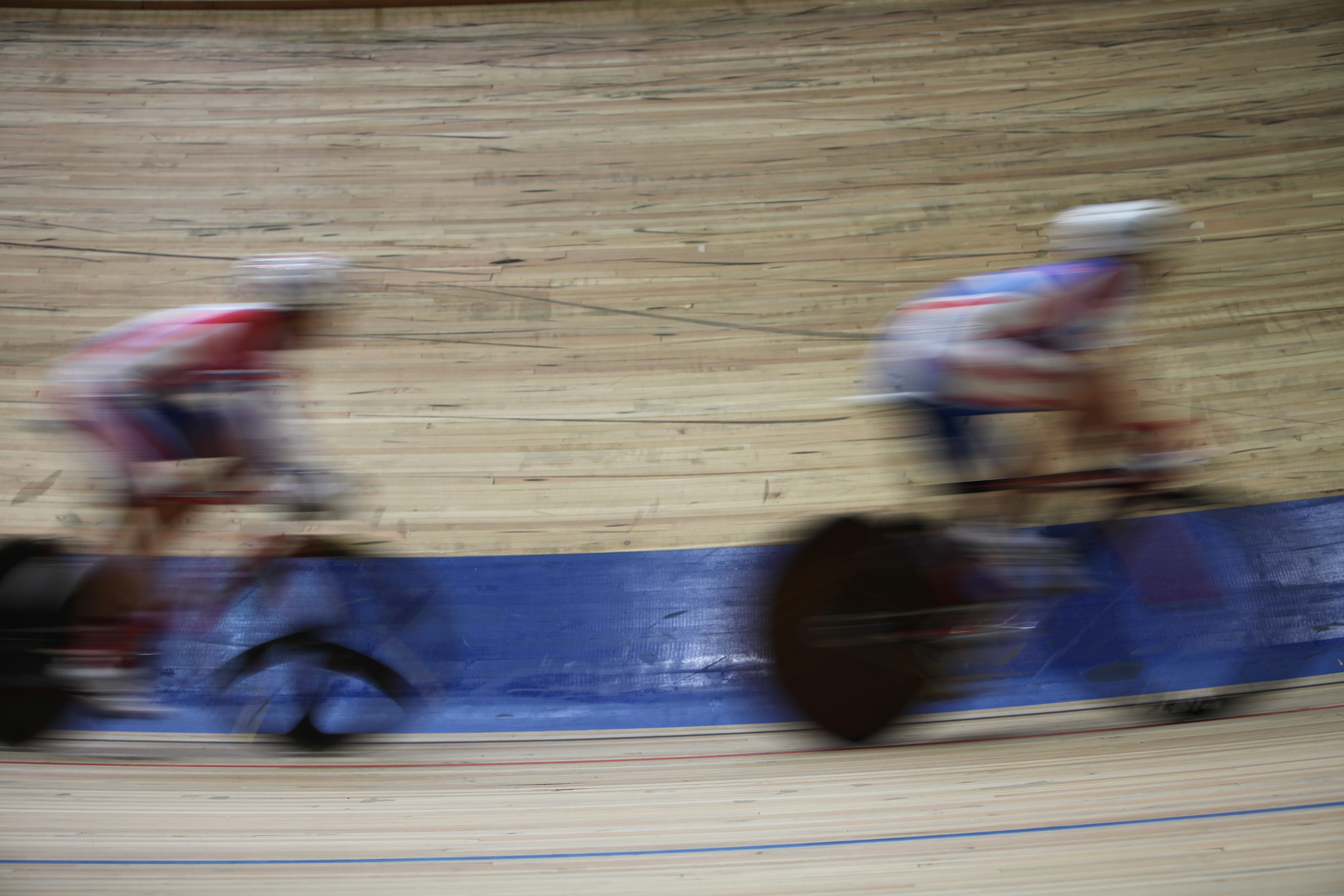
There are many multi-day cycling events throughout the year and a growing number of sportives run with this format such as the Haute Route or London to Paris. Track cycling has it’s thrilling Six-Day races which are contested by pairs of riders and made up of several individual events spread out across a set number of days typically during the autumn months. The London Six Day is set to take place at the city's iconic Olympic velodrome at the end of October. To understand this in a little more detail, we spoke with expert nutritionist Annie Simpson of OTE Sports to find out what each rider needs in order to succeed.
Breakfast
Simpson is quick to point out that breakfast is all about replenishing any depleted energy stores and refuelling for the day ahead. Protein is important for muscle recovery, while carbohydrates play a pivotal role in replacing any calories that got burnt during the previous day's racing. Simpson's staple multi-day breakfast includes:
- A large bowl of porridge made with milk, topped with a banana, a sprinkle of seed and nut mix and a drizzle of honey.
- A two-egg omelette is also advised in order to hit optimal protein intake.
Pre-race
"Lunch can effectively be the pre-race meal if consumed between 2pm and 3pm" explains Simpson. "The idea is to have a meal that's packed with carbs – a move which should ensure riders have enough energy to compete in the evening race." She also adds that it's important to avoid foods that are high in fibre and fat, as both can take a long time digest – an issue that could lead to discomfort during and after the race. "A good meal idea would be Chicken Arrabbiata served with white pasta" says Simpson – emphasising the need for clean carbs over stodgy options such as carbonara or other cream-based sauces. During the pre-race period, Simpson adds that the intake of liquid is just as important as food. "A real emphasis needs to be put on hydration" she explains. "Velodrome conditions can often be very warm, especially with a full crowd in the stands. "It may not sound like much, but a 2% drop in body weight due to dehydration can negatively affect someone’s sporting performance, so it is in the rider's best interest to stay as hydrated as possible before and during the event."
In-race tactics
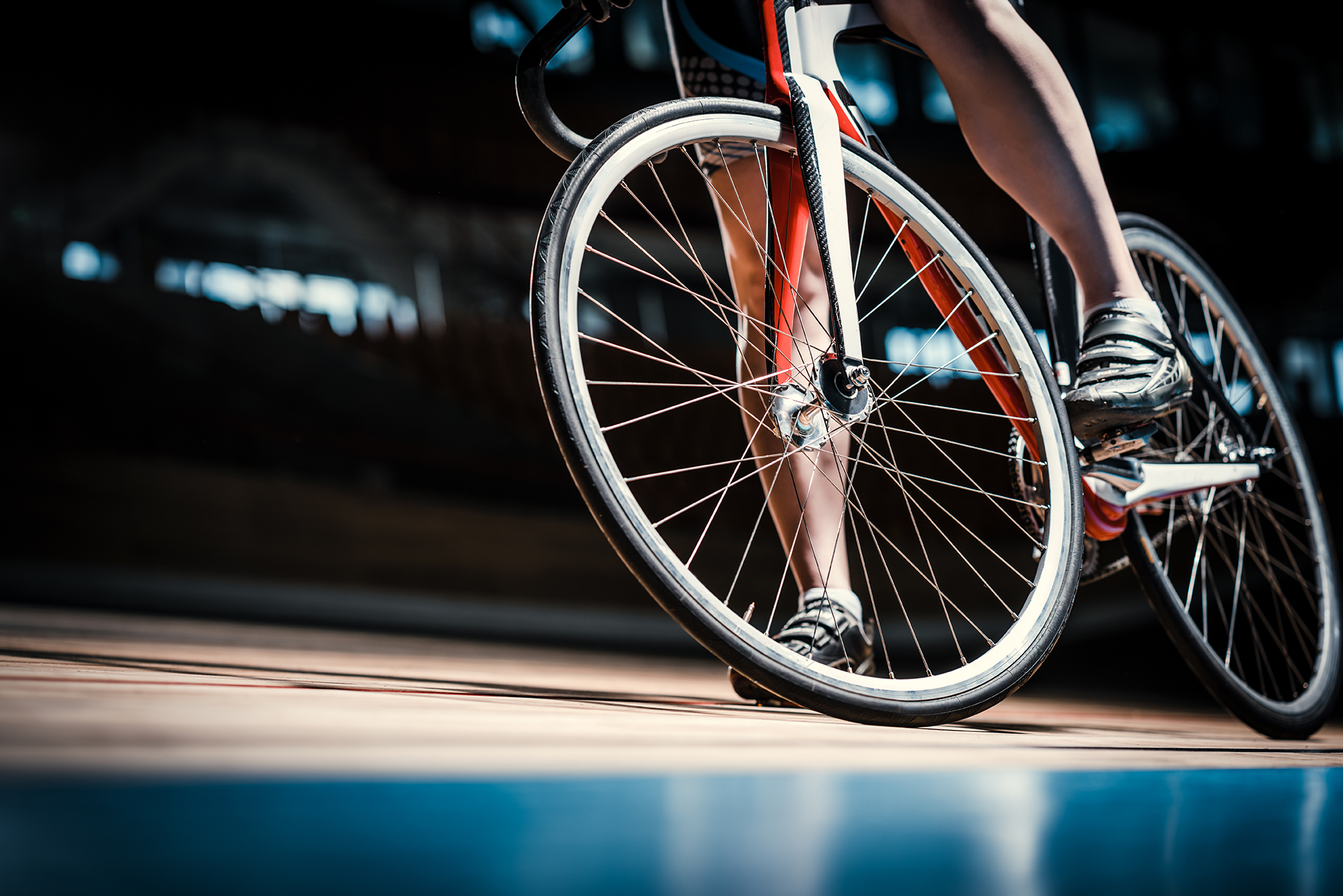
Ideally, each rider should consume 60g of carbohydrates per hour. This should ensure that they have the energy to compete throughout each event, as opposed to running out of energy or operating at sub-optimal performance levels. "Between events there may not be time to stomach a significant snack, or the rider may not feel like eating much after fully exerting themselves each race" says Simpson. "This is where sports nutrition products like energy drinks and energy gels play a vital role." Being made of simple carbohydrates, they're much easier for a rider's body to break down. They are also quick and convenient to consume, making them the ultimate source of energy." Simpson also recommends protein bars and OTE's recovery shake - as both provide lighter options for riders looking to take on board as much protein and carbohydrate as possible without feeling uncomfortable between races.
Post-race
After the race, there's a chance that it might be too late for riders to consumer a proper meal without compromising their evening routine. Because of this, Simpson recommends the following options:
- Bowl of cereal with Greek yoghurt.
- Tuna and couscous salad.
- Chicken wrap.
"Finally", Simpson adds, "a top tip would be to have a high protein snack before bed. The idea behind this is to help aid recovery overnight. A pure protein shake such as OTE Super Protein, or a protein bar, are great at doing this."
Have your say
We've heard from Annie Simpson, and now we want to hear from you! Do you have any top tips you think we should know about? If so, enter your recommendation in the comment section below.
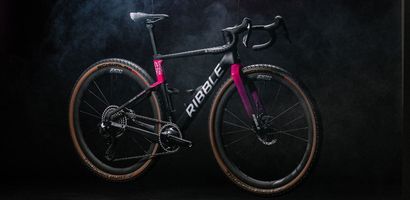
Built for the Margins: Sophie Wright’s Ultra-Grit Special Edition
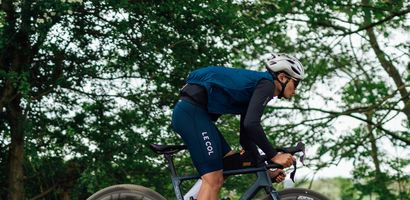
At the sharp end of racing, the difference is made in the fine margins. Sophie Wright’s ULTRA-GRIT Special Edition is built for those margins. A one-off race bike built by our development team to be lighter, more focused and stripped back to what matters.
Best Gravel Bikes 2026
What actually makes ‘the best’ gravel bike in 2026? A clear guide to choosing the best bike for how you actually ride.
What is a Gravel Bike?
Gravel bikes are changing how people ride. Sitting right in the middle of road and off-road, they're fast on tarmac and stable on loose ground. Comfortable over long distances and ready for whatever the ride throws at you.
Gravel Bikes - Which frame material is right for you?
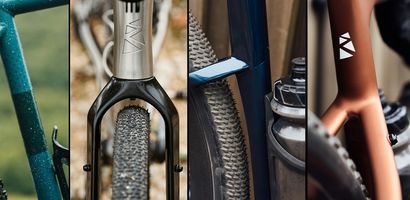
More cyclists than ever are seizing the opportunity to take their rides off-piste in search of freedom and adventure. But to do so, you need the right tool for the job - a gravel bike. The Ribble gravel range consists of four frame materials. Each of these offers something a little different in terms of ride quality, longevity and performance characteristics. So how do you decide which frame material is right for you?

Tyre Choice and Pressures for UK Gravel
Tyres can make or break your gravel ride. This blog cuts through the guesswork on width, tread and pressure, showing you what actually works for UK conditions.
Getting the right set up is half the battle
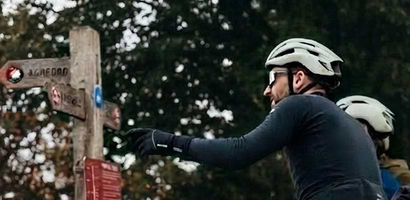
Getting your gravel bike set up right is the difference between enjoying the ride and counting down the miles. This blog breaks down the key adjustments that actually matter, from saddle height to bar position and tyre pressure, without drowning you in jargon.

Why Gravel Riding Works In February
February gravel isn’t about hero rides. It’s about quiet trails, mixed surfaces and riding for the sake of it. This blog dives into why Ribble staff and the Outliers keep choosing gravel when winter drags on, from traffic-free routes to bikes built to handle proper UK conditions.
Post Ride Checks That Keep Your Gravel Bike Running
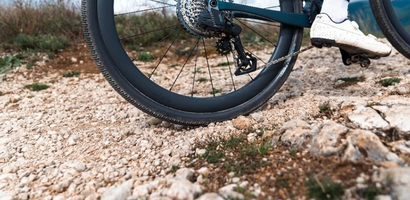
Winter wrecks bikes. This blog shows you how to fight back in five minutes flat. No tools, no faff. Just the simple checks that stop small issues turning into expensive problems. From wiping down grit to spotting tyre cuts and keeping your chain alive, it’s the bare minimum that makes a massive difference. Ride more. Fix less. Your future self will thank you.
Winter Gravel Clothing Guide
Winter gravel isn’t about suffering. It’s about turning up and staying comfortable. This guide shares no-nonsense kit advice from Ribble staff and the Outliers on what actually works in a UK February.
Best Road Bikes for Beginners: A Complete Guide to Getting Started
New to road cycling and drowning in jargon? This guide cuts through the noise. We break down what actually matters on your first road bike, from comfort to gearing, and show you which options suit real UK riding. No hard sell. No tech waffle. Just straight-talking advice to help you choose a bike you will actually enjoy riding.
When To Service Your Bike? A Practical Guide for Every Rider
Looking after your bike doesn’t start and end with a clean after riding. Regular servicing keeps it working at its best, no matter how often you ride. The tricky part is knowing when a service is needed. Too early feels unnecessary. Too late and the problems have already crept in. This guide breaks it down simply so you can ride more and worry less.
Staying Motivated: Winter Wisdom From The Ribble Family
When winter kills your motivation, even the pros feel it. The difference is they’ve built strategies that keep them riding when willpower runs out. Here’s how they stay consistent, break through the slump, and keep the pedals turning through the toughest months.