Guide: Tackling an Ironman Triathlon - Nutrition Plan
Tackling an Ironman triathlon: How to get the nutrition you need to succeed
An Ironman is one of the most demanding endurance experiences available, composed of a 2.4 mile swim, 112 mile bike ride and a full 26.2 mile marathon to finish! On July 17th, hundreds of people will head to Bolton for this year's headline British Ironman event.
The Ironman name alone is enough to underline how this is not a challenge that you can just turn up to - months of preparation are needed. Even if you're an avid cyclist or a triathlon enthusiast, this mammoth trial requires peak fitness – and one thing that's crucial to Ironman success is an optimised diet, both before and during race day.
To get the best understanding of the diet needed to succeed, Ribble Cycles spoke to Annie Simpson, an expert nutritionist from OTE Sports, to find out what is needed to take on this all-day feat.
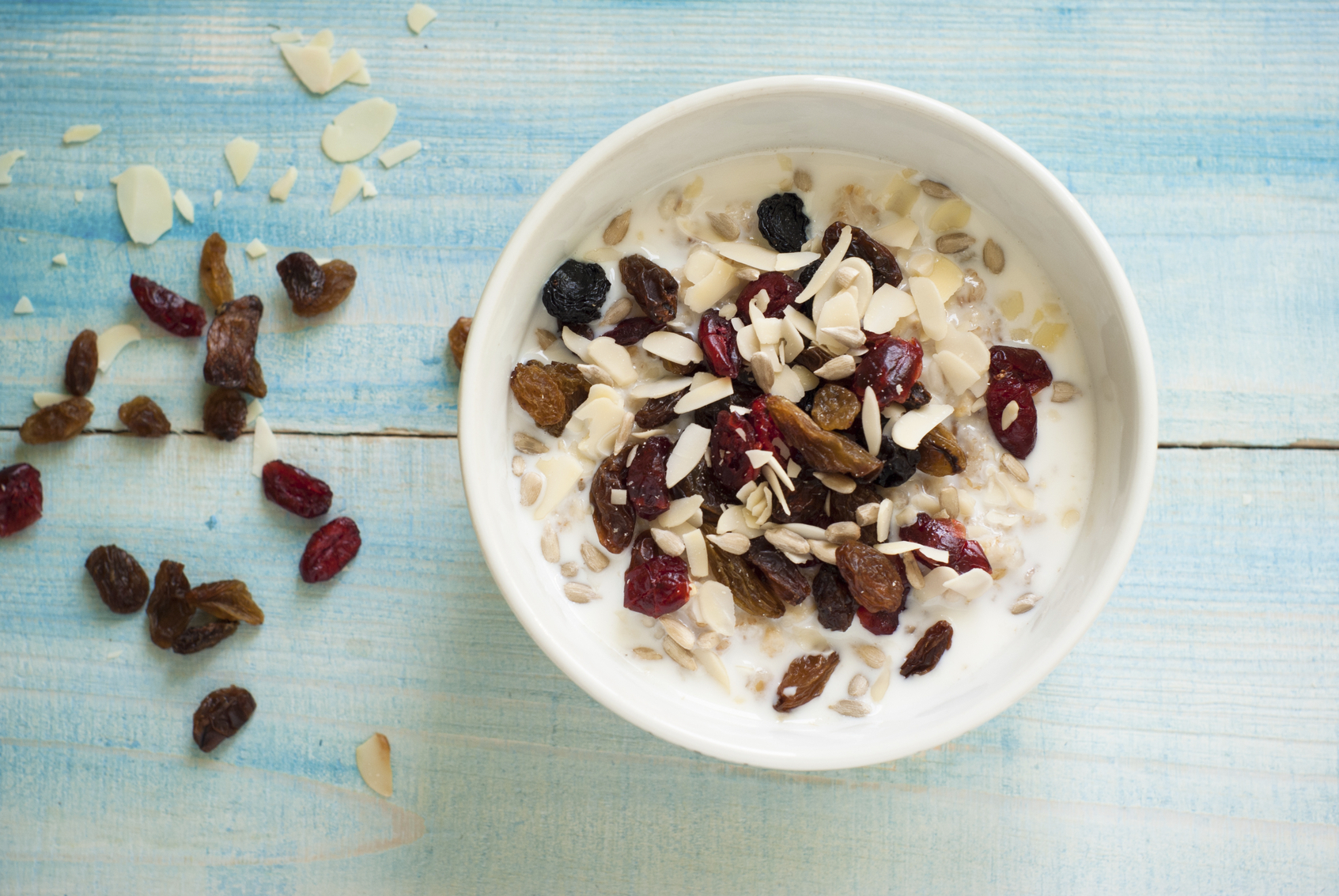 Breakfast
In both training and on the day, Ironman athletes must have a set meal in place, as drastic changes can have different impacts on the body. Simpson explains that the best breakfast is one high in carbohydrates, with a portion of protein to help slow digestion and avoid starting-line hunger.
"By eating two to three hours before the start, food will be given enough time to settle in the stomach," she adds.
Simpson's example breakfast includes: • One large bowl of porridge made with milk, with chopped banana or dried fruits and nuts (with extra protein from Greek yoghurt); • A glass of fresh fruit juice for calories and hydration; and • A cup of coffee, to help wake up for an early start.
Before the triathlon Simpson continues: "In the time between breakfast and the race, focus on hydration. Sipping a hydration tab little and often in the days and hours before the event ensures you start the event fully hydrated.
"As little as 2% loss in body weight as a result of dehydration can affect sporting performance. Don’t start the race on the back foot this way."
A light snack before the event is also a good idea; options include: • An energy bar • A jam sandwich • A banana
In-race tactics Simpson was keen to stress how in-race nutrition is by far the most important factor at play – and that 60 to 90g of carbohydrates need to be eaten each hour. Based on a ten-hour Ironman, this means that the average athlete needs 700g+ during the race.
"Our body stores carbohydrates in our muscles and liver, but these are limited and are used up during exercise," Simpson continues. "Without sufficient carbohydrates stores, the intensity we can perform at decreases dramatically. In Ironman, you need to keep stores topped up."
Using OTE Sports' range as a basis, Simpson puts forward a standard plan to follow during Ironman UK, based on the 700g carbohydrate target:
• 6 x energy gels (120g of carbs); • 5 x caffeine gels (100g); • 2 x energy bars (80g); and • 5 x energy drinks (400g)*.
*800ml mixed with 80g of energy drink in the bottle.
Here are Annie's top tips for the average Ironman race: Swim Required: • 1 x energy gel
"It is very difficult to fuel during the swim, so aim to have an energy gel ten minutes before the start," she says.
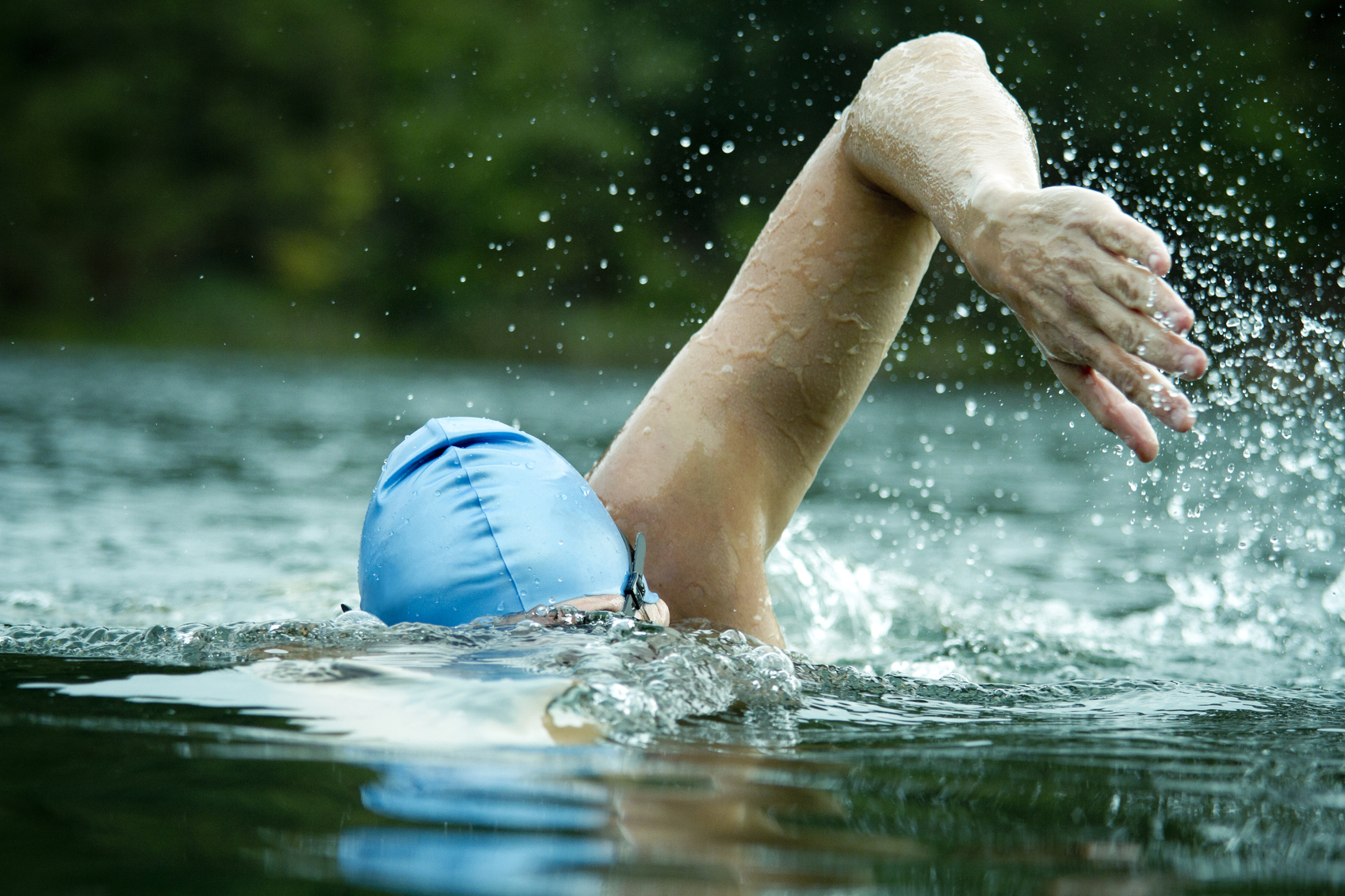
Transition 1 Required: • 1 x energy gel • Water
Before getting on the bike, Simpson recommends a gel and quick mouthful of water; the most part of an athlete's pannier is consumed while riding.
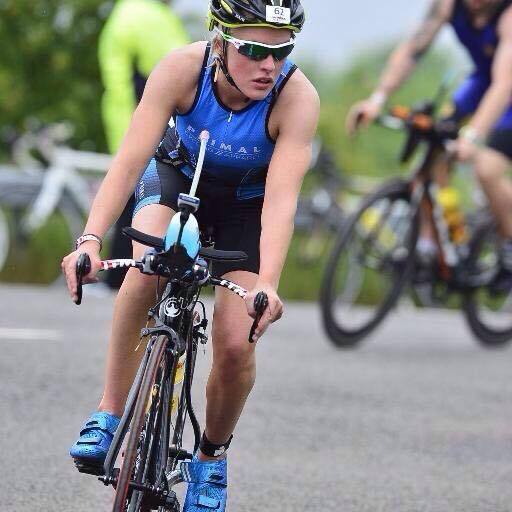 Staff member Dee on a Ribble Aero TT
Bike Required: • 4 x 800ml of energy drinks • 2 x energy bars • 2 x energy gels • 2 x caffeine gels
"Spread the intake evenly, and don't go for long periods without sipping your drink," she asserts. "Aim to consume half an energy bar or gel every 30 minutes, saving caffeine gels for the later part of the ride."
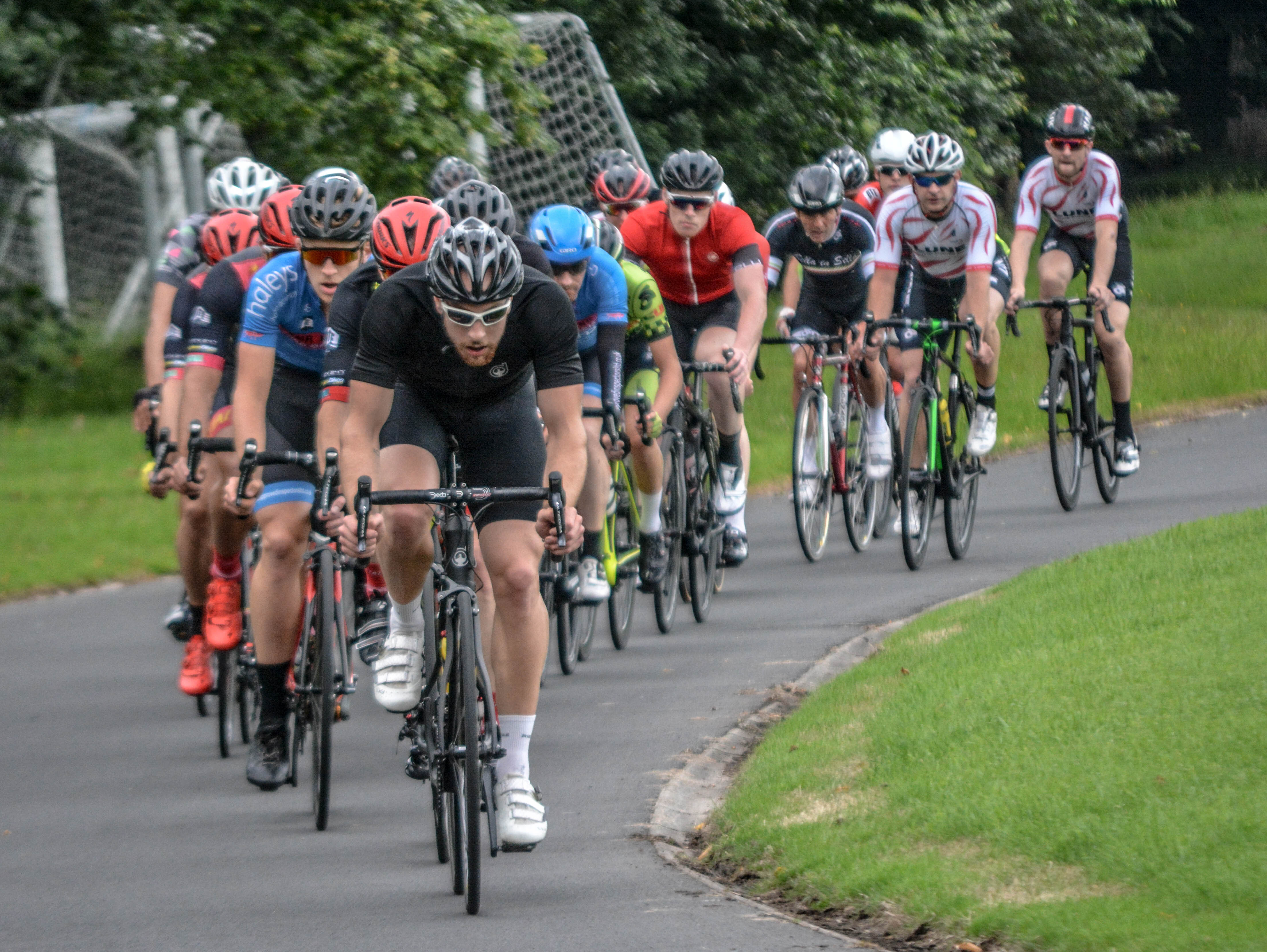 Staff member Mark on Ribble R872. Photo by Ellen Isherwood - Lancs Racing Scene
Transition 2 Required: • 1 x energy gel • Water
As with the first transition, the build up to the run requires the same intake.
Run Required: • 2 x energy gels • 3 x caffeine gels • 1 x energy drink • Water
Simpson once again recommends an even split of intake, adding how important it is to have water from feed stations, particularly on hot days.
After the race After completing an Ironman triathlon, it shouldn't simply be a case of resting up. The total calories consumed during one such race is in the region of 6,000 to 8,000kcal. Despite the above nutrition, a racer will be left in a calorie deficit.
Special drinks can aide recovery; these contain protein for rebuilding muscles, carbohydrates to replenish your energy stores, and fluid to aid rehydration.
As such, a congratulatory pat on the back for finishing must be swift, Simpson says: "As soon as the event finishes, it is important to go into recovery. Aim to drink this within 30 minutes of finishing – this is the 'window of opportunity' to kick-start the recovery process. You may not want to consume this, but it is a case of needs must."
Your tips Have you got any experience of Ironman UK or other long-distance trials? Let us know your top tips in the comment section.
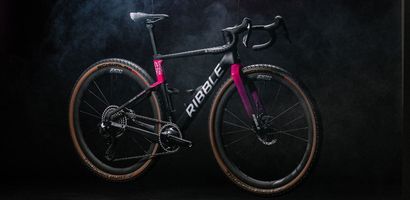
Built for the Margins: Sophie Wright’s Ultra-Grit Special Edition
At the sharp end of racing, the difference is made in the fine margins. Sophie Wright’s ULTRA-GRIT Special Edition is built for those margins. A one-off race bike built by our development team to be lighter, more focused and stripped back to what matters.
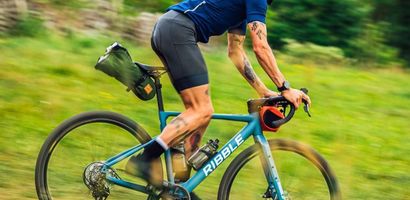
Best Gravel Bikes 2026
What actually makes ‘the best’ gravel bike in 2026? A clear guide to choosing the best bike for how you actually ride.
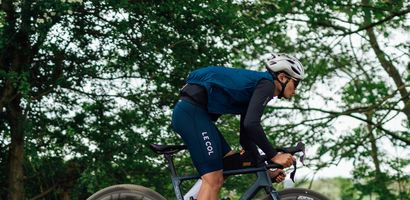
What is a Gravel Bike?
Gravel bikes are changing how people ride. Sitting right in the middle of road and off-road, they're fast on tarmac and stable on loose ground. Comfortable over long distances and ready for whatever the ride throws at you.
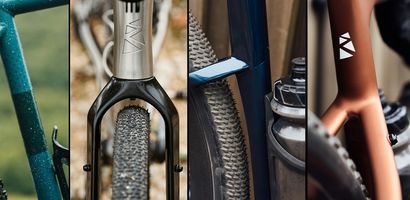
Gravel Bikes - Which frame material is right for you?
More cyclists than ever are seizing the opportunity to take their rides off-piste in search of freedom and adventure. But to do so, you need the right tool for the job - a gravel bike. The Ribble gravel range consists of four frame materials. Each of these offers something a little different in terms of ride quality, longevity and performance characteristics. So how do you decide which frame material is right for you?

Tyre Choice and Pressures for UK Gravel
Tyres can make or break your gravel ride. This blog cuts through the guesswork on width, tread and pressure, showing you what actually works for UK conditions.
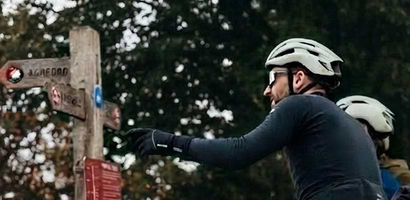
Getting the right set up is half the battle
Getting your gravel bike set up right is the difference between enjoying the ride and counting down the miles. This blog breaks down the key adjustments that actually matter, from saddle height to bar position and tyre pressure, without drowning you in jargon.

Why Gravel Riding Works In February
February gravel isn’t about hero rides. It’s about quiet trails, mixed surfaces and riding for the sake of it. This blog dives into why Ribble staff and the Outliers keep choosing gravel when winter drags on, from traffic-free routes to bikes built to handle proper UK conditions.
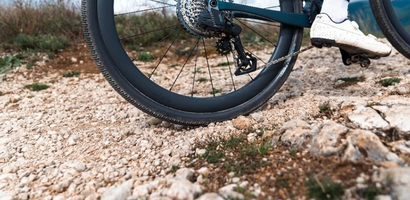
Post Ride Checks That Keep Your Gravel Bike Running
Winter wrecks bikes. This blog shows you how to fight back in five minutes flat. No tools, no faff. Just the simple checks that stop small issues turning into expensive problems. From wiping down grit to spotting tyre cuts and keeping your chain alive, it’s the bare minimum that makes a massive difference. Ride more. Fix less. Your future self will thank you.
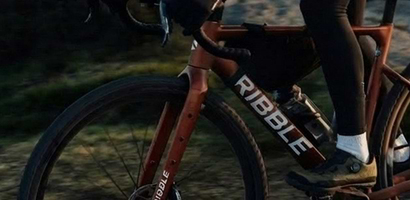
Winter Gravel Clothing Guide
Winter gravel isn’t about suffering. It’s about turning up and staying comfortable. This guide shares no-nonsense kit advice from Ribble staff and the Outliers on what actually works in a UK February.
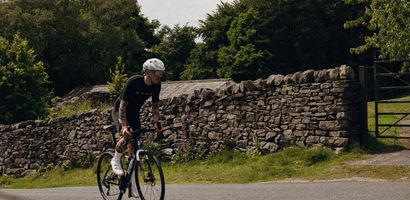
Best Road Bikes for Beginners: A Complete Guide to Getting Started
New to road cycling and drowning in jargon? This guide cuts through the noise. We break down what actually matters on your first road bike, from comfort to gearing, and show you which options suit real UK riding. No hard sell. No tech waffle. Just straight-talking advice to help you choose a bike you will actually enjoy riding.
When To Service Your Bike? A Practical Guide for Every Rider
Looking after your bike doesn’t start and end with a clean after riding. Regular servicing keeps it working at its best, no matter how often you ride. The tricky part is knowing when a service is needed. Too early feels unnecessary. Too late and the problems have already crept in. This guide breaks it down simply so you can ride more and worry less.

Staying Motivated: Winter Wisdom From The Ribble Family
When winter kills your motivation, even the pros feel it. The difference is they’ve built strategies that keep them riding when willpower runs out. Here’s how they stay consistent, break through the slump, and keep the pedals turning through the toughest months.