Guide: What’s tapering? And why you should do it
The day of Vélo Birmingham is getting closer and hopefully you’re feeling confident about covering the 100 mile ride distance comfortably. If you’ve done a decent amount of training and are looking to be fresh and rested for the ride then you really need to ‘taper’ as the day of the ride approaches. Tapering is reducing your training and physical activity in the final run-up to your big ride and typically you would do this over the final two weeks and more importantly in the final week. Mentally it can be difficult to stay off the bike, but remember the hard work has been done and you won’t add any increased fitness in the final week and neither will the resting lose you any fitness. You should aim to get to the start line feeling fully rested and ready to go. Certainly don’t be tempted to try and cram in last minute training in the final few days before the ride as this would almost certainly leave you tired and stiff on the big day itself. You’re last long ride should be around 7-12 days before the event after which you should start to taper.
Main Reasons to Taper
1 Feel fresh and get out your best performance on the day. 2 Tapering also gives you back some spare time that you can then use to have your bike and kit ready for the big day. 3 Tapering allows you to be fully fuelled nutritionally in the days before the event.
Two Weeks Out
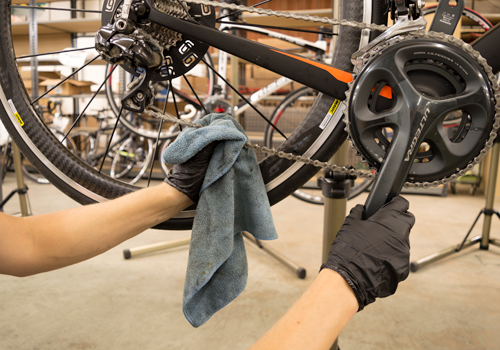 The final two weeks are also the time to ensure your bike is working well – you might want to book it into your local bike shop for a service 12-14 days before the ride so they have time to replace any worn parts and you can have it back in time for your final preparation rides. Typically you should reduce your amount of training by 20-25%. For example if you’ve been riding for six hours or four times a week in preparation you should aim to reduce that to four hours or three times a week and reduce the intensity or speed of your rides.
The Final Week
Your final week is the time to ensure you’re rested for your big ride and making sure you’re prepared and have eaten well. You can reduce your training further by around 25-30% of your main training level and again reduce the intensity or speed of your rides. Also avoid any unusual activity, sport or any tiring physical activity that might cause aching muscles in the days before the ride. Do eat well in the final days before the ride. Don’t use new clothing, particularly shorts or shoes, that you haven’t worn before. Break in any new items as soon as you can so that they don’t cause you any discomfort on ride day.
Final preparations before and on the day
On the day before - it’s useful to get all your kit together and lay out all the items you intend to carry on the ride and make sure they fit snugly into your jersey pockets and/or seat pack. On the day - if you pre-load with adequate food and hydration and feed on the ride you should get through the 100 miles without any issues. If you do feel the onset of exhaustion whilst cycling, it’s remarkable how having a rest at a feed station or at the side of the road to take on some food and drink will soon get you back on the bike with renewed energy. Finally, stay relaxed, don’t worry about the ride and, above all, enjoy the day! For more riding tips have a look at the Ribble blog
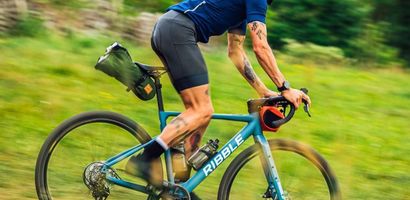
Best Gravel Bikes 2026
What actually makes ‘the best’ gravel bike in 2026? A clear guide to choosing the best bike for how you actually ride.
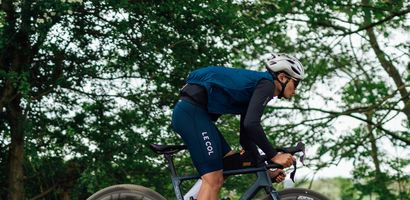
What is a Gravel Bike?
Gravel bikes are changing how people ride. Sitting right in the middle of road and off-road, they're fast on tarmac and stable on loose ground. Comfortable over long distances and ready for whatever the ride throws at you.
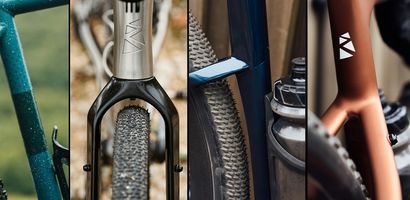
Gravel Bikes - Which frame material is right for you?
More cyclists than ever are seizing the opportunity to take their rides off-piste in search of freedom and adventure. But to do so, you need the right tool for the job - a gravel bike. The Ribble gravel range consists of four frame materials. Each of these offers something a little different in terms of ride quality, longevity and performance characteristics. So how do you decide which frame material is right for you?

Tyre Choice and Pressures for UK Gravel
Tyres can make or break your gravel ride. This blog cuts through the guesswork on width, tread and pressure, showing you what actually works for UK conditions.
Getting the right set up is half the battle
Getting your gravel bike set up right is the difference between enjoying the ride and counting down the miles. This blog breaks down the key adjustments that actually matter, from saddle height to bar position and tyre pressure, without drowning you in jargon.

Why Gravel Riding Works In February
February gravel isn’t about hero rides. It’s about quiet trails, mixed surfaces and riding for the sake of it. This blog dives into why Ribble staff and the Outliers keep choosing gravel when winter drags on, from traffic-free routes to bikes built to handle proper UK conditions.
Post Ride Checks That Keep Your Gravel Bike Running
Winter wrecks bikes. This blog shows you how to fight back in five minutes flat. No tools, no faff. Just the simple checks that stop small issues turning into expensive problems. From wiping down grit to spotting tyre cuts and keeping your chain alive, it’s the bare minimum that makes a massive difference. Ride more. Fix less. Your future self will thank you.
Winter Gravel Clothing Guide
Winter gravel isn’t about suffering. It’s about turning up and staying comfortable. This guide shares no-nonsense kit advice from Ribble staff and the Outliers on what actually works in a UK February.
Best Road Bikes for Beginners: A Complete Guide to Getting Started
New to road cycling and drowning in jargon? This guide cuts through the noise. We break down what actually matters on your first road bike, from comfort to gearing, and show you which options suit real UK riding. No hard sell. No tech waffle. Just straight-talking advice to help you choose a bike you will actually enjoy riding.
When To Service Your Bike? A Practical Guide for Every Rider
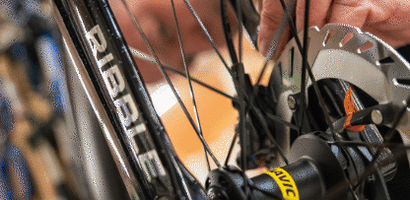
Looking after your bike doesn’t start and end with a clean after riding. Regular servicing keeps it working at its best, no matter how often you ride. The tricky part is knowing when a service is needed. Too early feels unnecessary. Too late and the problems have already crept in. This guide breaks it down simply so you can ride more and worry less.
Staying Motivated: Winter Wisdom From The Ribble Family
When winter kills your motivation, even the pros feel it. The difference is they’ve built strategies that keep them riding when willpower runs out. Here’s how they stay consistent, break through the slump, and keep the pedals turning through the toughest months.

10 weeks down and far from decided: here’s why to join now
Ten weeks in and building momentum. Join the Ribble Winter Racing Series now - your best 10 results count. Race hard, miss weeks, progress.