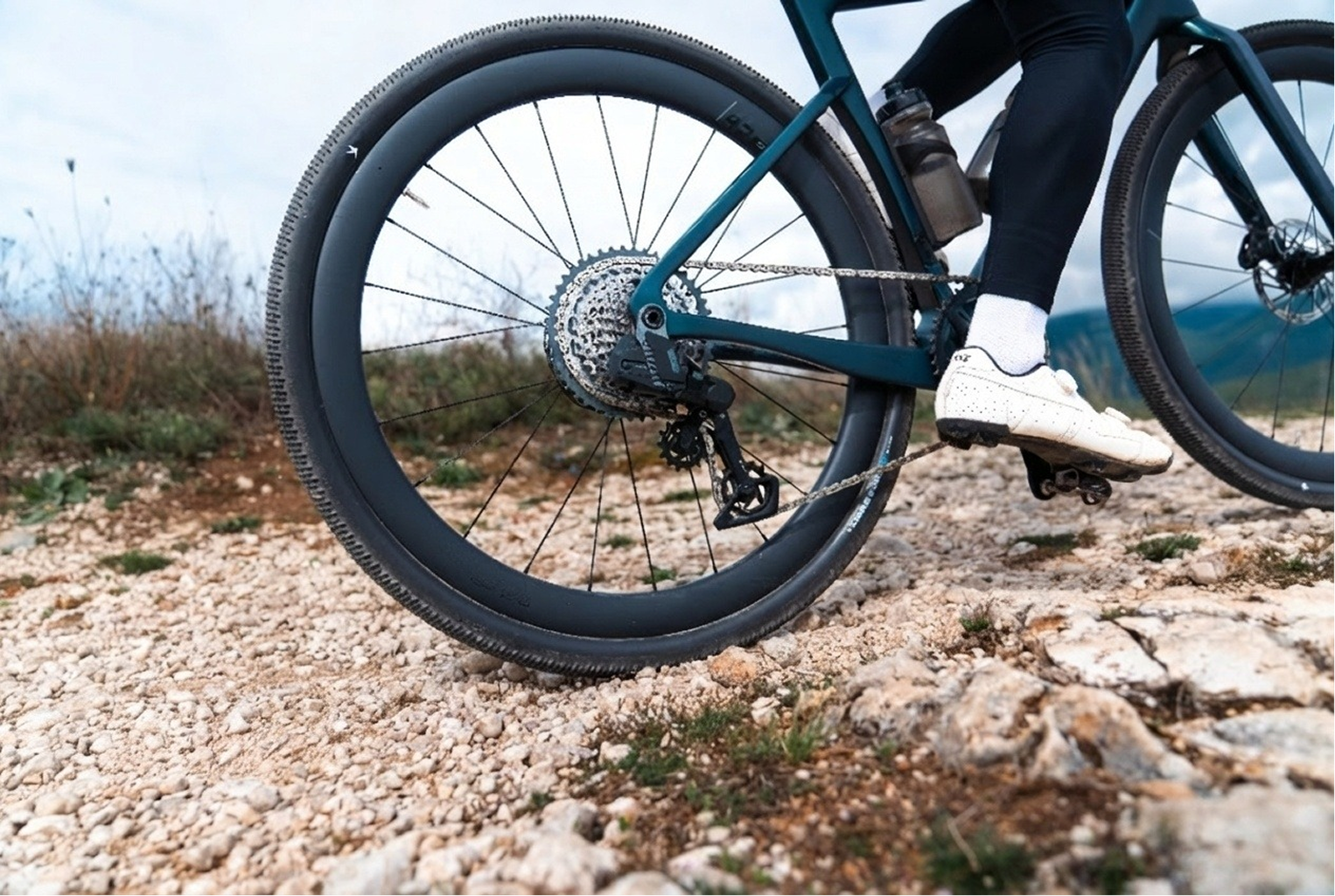
Wet and cold? Still fun!
Why Gravel Works in February
You will enjoy it when you get there.
Gravel riding suits February. The season demands less from you than road cycling and offers more than winter trails. Mixed surfaces, quieter routes, and the satisfaction of riding through real conditions without needing perfect weather. It's riding for the sake of riding, which is often the best kind.
We asked the Ribble Outliers, staff, and riders what keeps them heading out on gravel when the temperature drops and the days stay short. Here's what they said.
Quieter Trails, Better Riding
February roads are busy with traffic and bad tempers. Gravel gets you off the tarmac and onto routes where cars don't follow. Bridleways, forest tracks, and disused railway paths offer space to ride without the constant hum of engines behind you.Ribble Outlier insight: "Gravel in winter means I can focus on the ride, not the road. There's less to worry about and more to enjoy."
Mixed Surfaces Keep It Interesting
Gravel riding is not one thing. It's tarmac, hard pack, gravel, mud, and grass all in one loop. That variety keeps your mind engaged and your bike working. Every surface asks something different from you, which makes the ride feel less repetitive than the same winter road loop for the hundredth time.Ribble staff insight: "Winter road rides can feel like a slog. Gravel keeps me interested. Every ride is different, even if it's the same route."
Real Conditions, Real Satisfaction
Gravel riding in February is not about perfect weather. It's about riding despite the conditions. Cold mornings, damp trails, and wind that cuts through your layers. You go out, you ride, you come back feeling like you've done something.There's a satisfaction in that. Not every ride needs to be epic or Instagram worthy. Sometimes it's enough to get out the door and keep the habit going.
The Bikes Are Built For It
Gravel bikes like the Ribble ULTRA-GRIT and ALLGRIT are designed for mixed terrain and UK conditions. Wider tyres, stable geometry, and clearance for mud mean you can ride comfortably when the weather turns.You're not fighting the bike or worrying about whether it can handle the surface. It just works. That confidence lets you focus on the ride, not the equipment.
Ribble Outlier insight: "The ULTRA-GRIT handles wet gravel better than any bike I've ridden in winter. It's stable, predictable, and built for this."
Routes That Suit the Season
Not every gravel ride needs to be long. February is about consistency, not distance. Shorter loops, familiar routes, and rides that fit into your week without demanding three hours of your Saturday.The Ribble Gravel Routes Collection includes loops from the Outliers, staff, and riders that suit winter conditions. Hard pack trails, forest roads, and routes that drain well when it rains. They're not extreme, they're just good riding.
Browse the collection and find a route near you.
Why It Keeps You Riding
Gravel works in February because it meets you where you are. You don't need perfect fitness, perfect weather, or perfect motivation. You just need a bike and a route. The rest follows.The riders who keep showing up through winter are the ones who've found a rhythm that works. For many, that rhythm is gravel. Mixed terrain, quieter trails, and the satisfaction of riding through real conditions.
That's why gravel works in February. It doesn't ask for more than you have. It just asks you to ride.
It’s time to upgrage
The difference between riding through February and sitting it out is having a bike that just works. Our ULTRA-GRIT and ALLGRIT ranges are built for UK winters: stable on wet gravel, clearance for the tyres you need, and geometry that keeps you comfortable when conditions don't. You shouldn't be thinking about whether your bike can handle it. Check out the gravel bike range below.
- New

ALLGRIT Ti-X
Engineered for the long haul. Premium 3D printed titanium, ultra-smooth ride, rugged endurance. Built to go further, forever.
- Save $75
- New
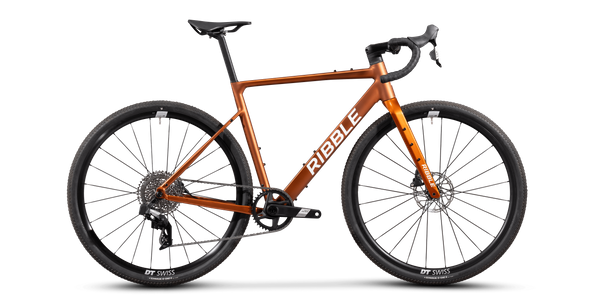
ALLGRIT AL
Pure, go-anywhere adventure. Lightweight alloy, confident handling, fully-loaded capability. Ride roads, trails, and everything in between.
- Save $75
- New
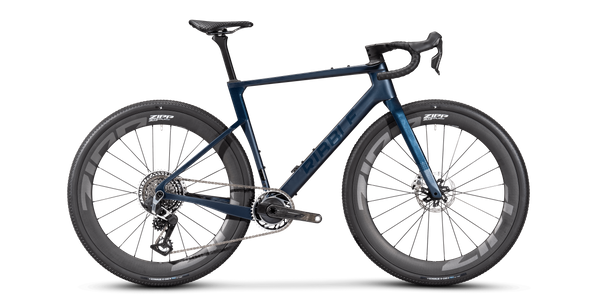
ULTRA-GRIT
Race-proven carbon gravel racer with aero optimisation and precision handling. Built to go faster, further. Builds from 8.0 kg.

Gravel Ti
Titanium gravel bike. Ultimate durability, all-terrain capability & smooth ride for off-road adventures.
- New
- Electric
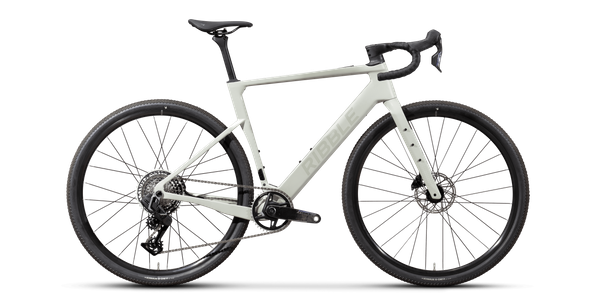
ALLGRIT E CARBON-X
Lightweight. Powerful. Limitless. Carbon frame, integrated power, all-terrain speed. Adventure, amplified.
Please note we can not ship this product to your selected country- Save $210

Gravel 725
Traditional steel frame gravel bike. Durable, all-terrain capability & comfort for all-day trail riding.
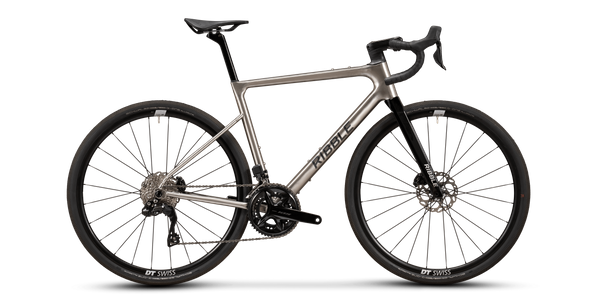
CGR Ti-X
Titanium elegance with the CGR do it all attitude. Smooth, confident, ready to go the distance on any surface. Built to ride and built to last.
- Save $405
- New
- Electric
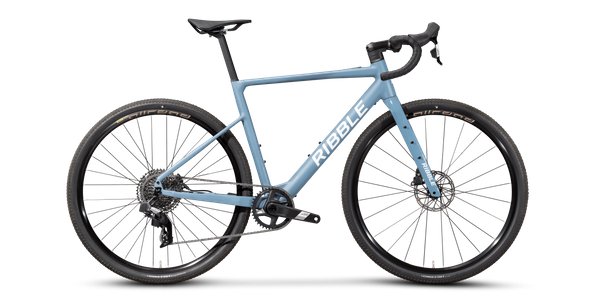
ALLGRIT E AL
Electric freedom, wherever you roam. Sleek alloy frame, natural pedal-assist, all-terrain ready. Power your next escape.
Please note we can not ship this product to your selected country 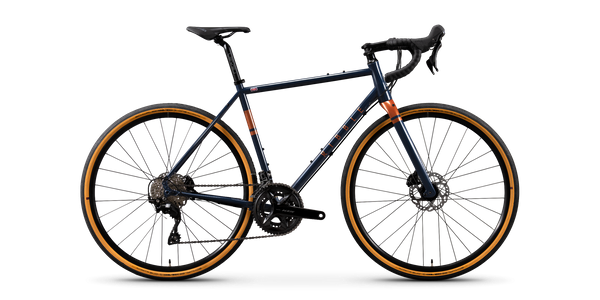
CGR 725
Traditional steel frame Commute-Gravel-Road bike. Durable, versatile & comfortable for all-terrain adventures.
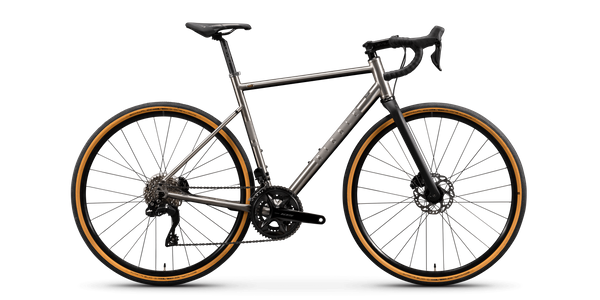
CGR Ti
A Commute-Gravel-Road bike built for a lifetime of rides. Titanium frame paired with carbon forks and seat post for enduring strength, low weight, and all-day comfort with timeless titanium style.
- Electric
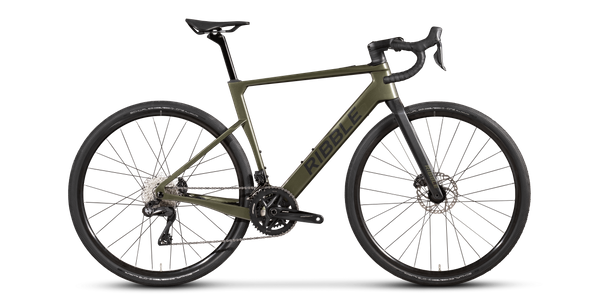
CGR E Carbon-X
CGR taken to a new level. A premium, integrated, e-bike for road, gravel and everything between. Super lightweight carbon bike and Mahle’s latest X20 e-drive system. It’s capable of anything you are.
Please note we can not ship this product to your selected country- Save $140
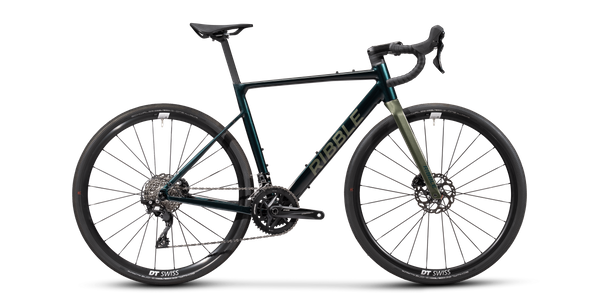
CGR AL
The original do it all bike. A versatile, all-surface aluminium bike built for every day. Confident on the commute, gravel or road. Mounts for racks, mudguards and bags to carry everything you need.
- Save $265
- Electric
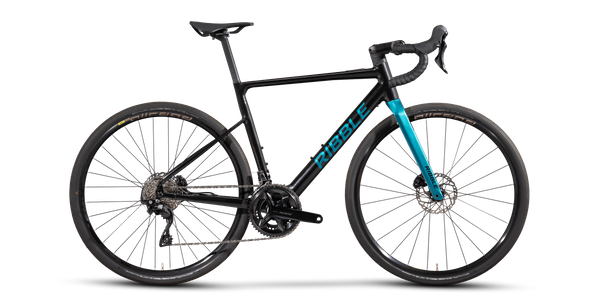
CGR E AL
Everything brilliant about the CGR AL, plus electric assist when you want it. Powered by the Mahle X30 e-drive system. Quiet, light and ready to go.
Please note we can not ship this product to your selected country 
Gravel AL
Aluminium gravel bike. Durable & lightweight frame, all-terrain capability & comfort for exploring any trail.

Restrap Race Frame Bag - Small
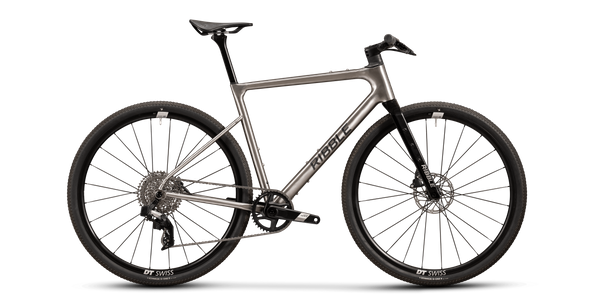
Allgrit Ti-X Sportfit Apex XPLR AXS
Premium titanium frame, carbon fork and upright flat bar setup for confident control across rough terrain, with Mavic wheels and SRAM Apex XPLR AXS wireless precision.
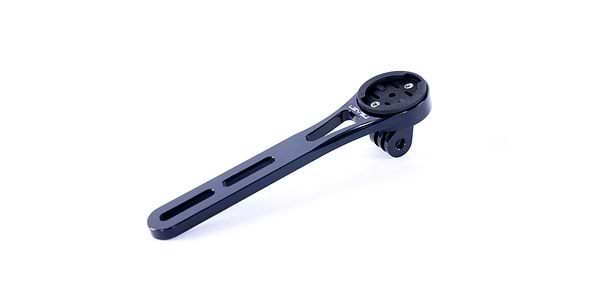
Level Out Front Computer Mount with GoPro Attachment

Ribble Touch Up Paint - CGR SL White
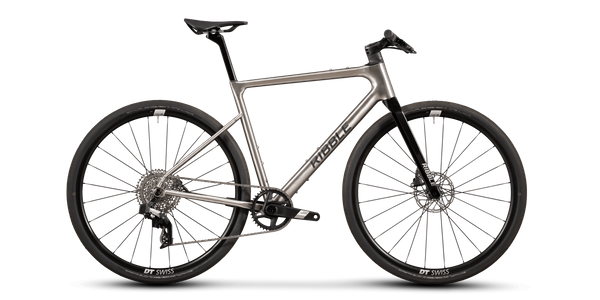
CGR Ti-X Sportfit Apex XPLR AXS
Flat bar titanium versatility with SRAM Apex XPLR AXS wireless shifting and DT Swiss wheels for confident, all-road performance with timeless ride quality.

Shimano Dura-Ace R9100 SPD-SL Pedals

Ribble Touch Up Paint - CGR 725 Blue

Ribble Touch Up Paint - CGR Copper

Restrap Frame Strap

Restrap Bar Pack - 10 Litres


Tyre Choice and Pressures for UK Gravel
Tyres can make or break your gravel ride. This blog cuts through the guesswork on width, tread and pressure, showing you what actually works for UK conditions.
Getting the right set up is half the battle
Getting your gravel bike set up right is the difference between enjoying the ride and counting down the miles. This blog breaks down the key adjustments that actually matter, from saddle height to bar position and tyre pressure, without drowning you in jargon.

Why Gravel Riding Works In February
February gravel isn’t about hero rides. It’s about quiet trails, mixed surfaces and riding for the sake of it. This blog dives into why Ribble staff and the Outliers keep choosing gravel when winter drags on, from traffic-free routes to bikes built to handle proper UK conditions.
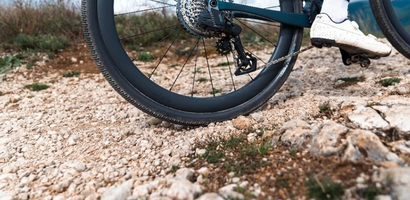
Post Ride Checks That Keep Your Gravel Bike Running
Winter wrecks bikes. This blog shows you how to fight back in five minutes flat. No tools, no faff. Just the simple checks that stop small issues turning into expensive problems. From wiping down grit to spotting tyre cuts and keeping your chain alive, it’s the bare minimum that makes a massive difference. Ride more. Fix less. Your future self will thank you.
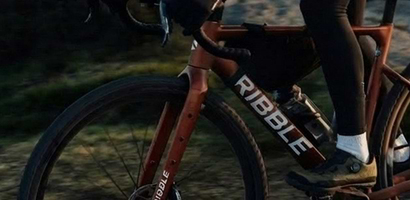
Winter Gravel Clothing Guide
Winter gravel isn’t about suffering. It’s about turning up and staying comfortable. This guide shares no-nonsense kit advice from Ribble staff and the Outliers on what actually works in a UK February.
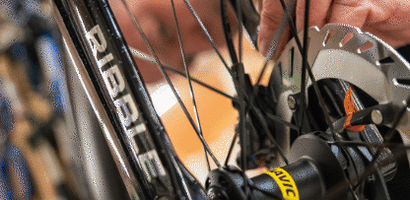
When To Service Your Bike? A Practical Guide for Every Rider
Looking after your bike doesn’t start and end with a clean after riding. Regular servicing keeps it working at its best, no matter how often you ride. The tricky part is knowing when a service is needed. Too early feels unnecessary. Too late and the problems have already crept in. This guide breaks it down simply so you can ride more and worry less.

Staying Motivated: Winter Wisdom From The Ribble Family
When winter kills your motivation, even the pros feel it. The difference is they’ve built strategies that keep them riding when willpower runs out. Here’s how they stay consistent, break through the slump, and keep the pedals turning through the toughest months.
Clean: A Quick Wash Guide With Tom Couzens
Winter rides = filthy bikes. But it doesn’t need to be a chore. Ribble Ambassador Tom Couzens shares a quick 10-minute clean that keeps your bike running smooth and makes getting back out tomorrow a whole lot easier.
FTP Booster Plan
This 4-week plan is built to boost your Functional Threshold Power (FTP) with a mix of threshold efforts, sweet spot sessions, VO₂ max intervals, and progressive endurance work—targeting the key adaptations for sustaining higher power longer.
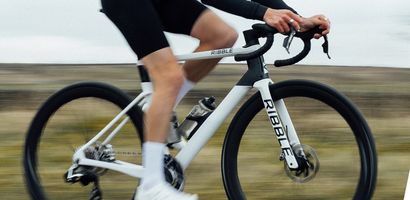
Electric Road Bike vs Road Bike – What’s the Difference?
Electric road bikes deliver the same ride, handling and thrill as traditional road bikes, just with a discreet boost that helps you go further, faster, and ride more often.
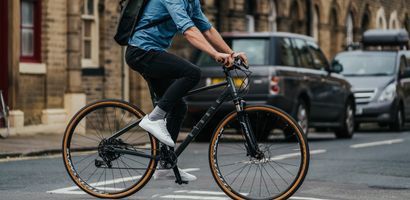
Cycle to Work Day - The UK's biggest cycle commute
Why not switch up your daily commute and reap the benefits of cycling to work? Whether you've not ridden a bike in years or have never cycled at all, Cycle to Work Day day is all about giving it a go. The advantages of riding to work are many and well documented; you save money, avoid frustrating traffic jams, improve your physical and mental wellbeing and reduce your carbon footprint. What's not to love? We asked some of our colleagues to share why they choose to commute to work by bike.

Big tyres and big gears for the big outdoors
For our latest blog, we turned to Clitheroe Assistant Store Manager Jack whose preferred mode of cycling is a hardtail MTB. The reason why he prefers an MTB to any other bike is a gleefully simple one; it’s because it’s great fun. Jack tells us why every ride should involve big tyres and big gears.