Road Bikes and Disc Brakes – Yay Or Nay?
Disc brakes have been around on mountain bikes since the mid 1990’s, however it is only recently that they have started to make an appearance on bikes with drop handlebars. It was firstly on cyclocross bikes, but even skinny tyred road bikes are starting to get them. 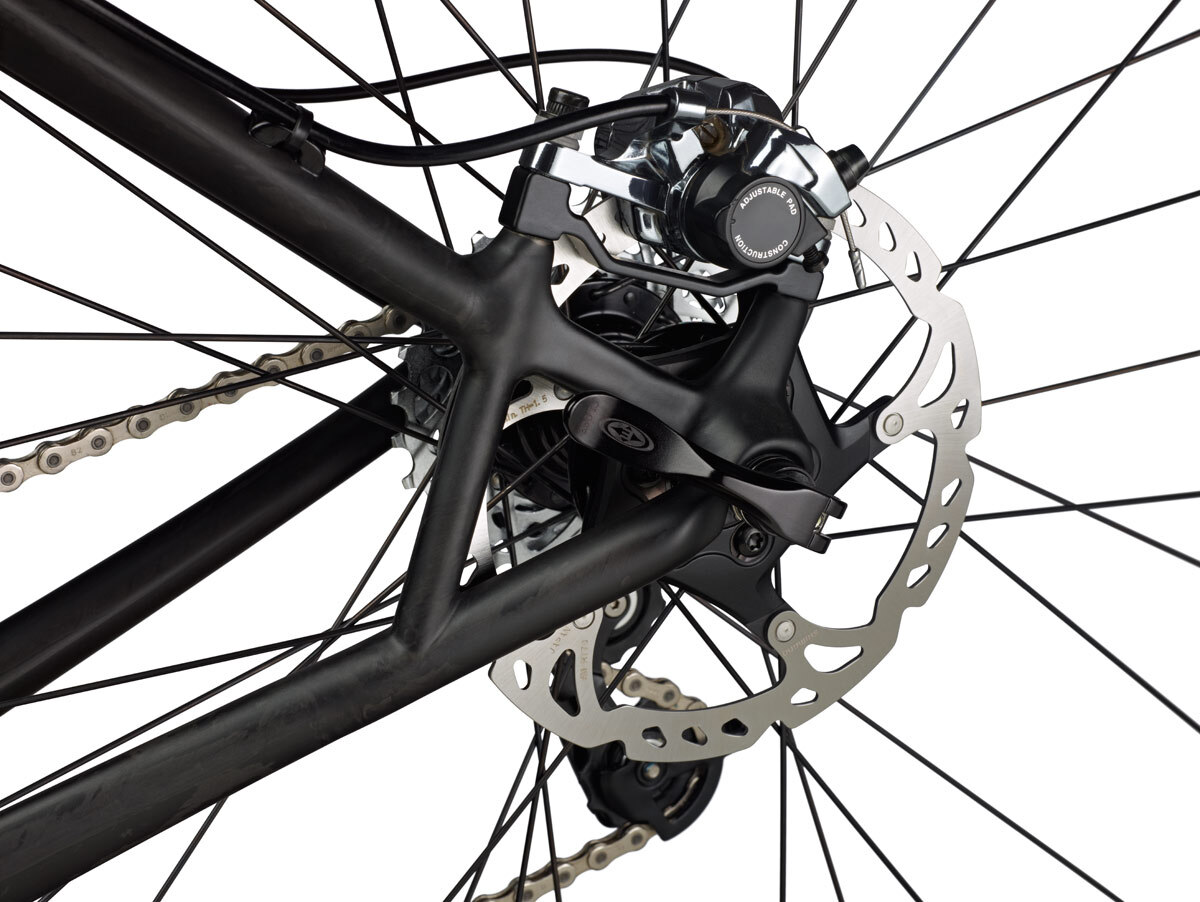 But why has there been a slow uptake on them being fitted, and why would you want them anyway? The initial slow uptake will be a lot to do with the UCI not allowing them in the pro-peloton. Fear of pile ups caused by some having stronger braking power, people burning themselves on the rotors, or slicing fingers in crashes have all been talked about. The issue of the extra weight is also a problem to the pro racer, where every gram counts. However, this can be compensated by the rim of the wheels being able to be produced lighter as there is no need for a braking surface.
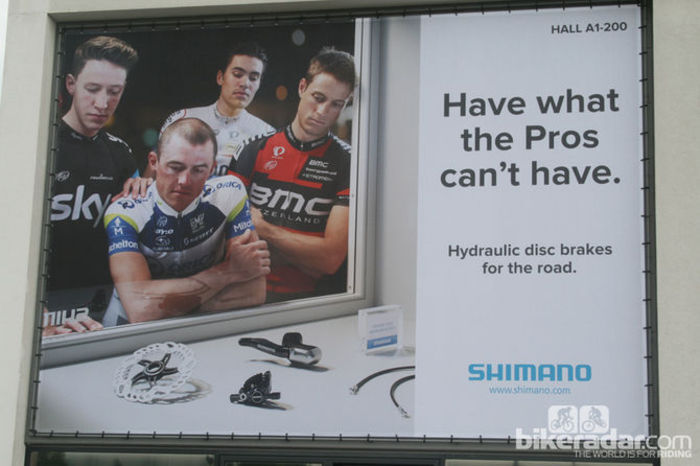
 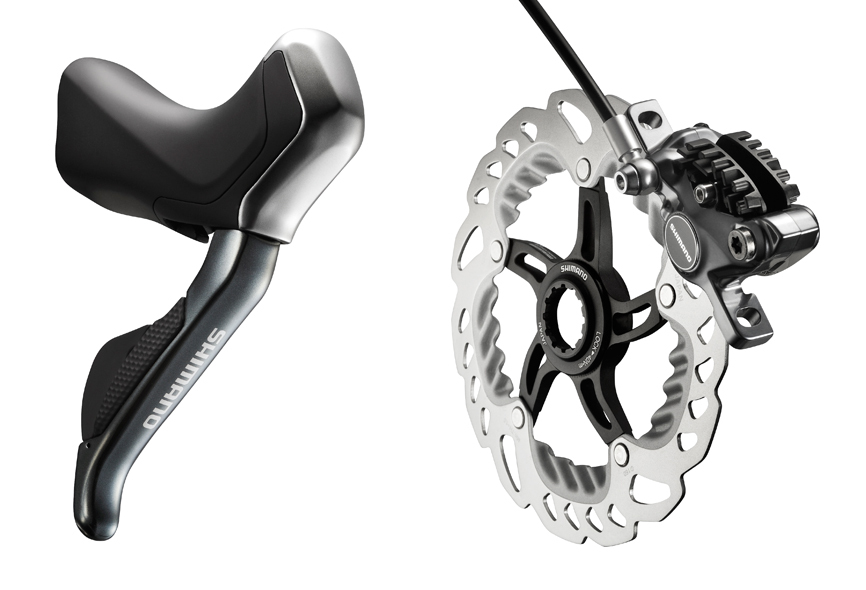 Personally I’ve been using disc brakes on my mountain bike for years. They offer greater stopping power in the wet and mud, and I am not worried about wearing out my rims from this. I have also recently changed to disc brakes on my drop barred commuter bike, again, there is a bit more stopping power, and so confidence for when that bus pulls out in front of you, or car driver doesn’t see you. The downsides I have found from having them on the commuter bike, and because it is my work horse, is that the brakes are a bit more of a fiddle to set up and keep running so that they are not rubbing, but I am happy to keep on top of this for the benefits that they give. However, on my road bike, for the moment in time I have no interest in going to a disc brake, and I think a lot of this is tradition (and I am not even a diehard road cyclist). There is much more choice in wheels, though I know this is changing, and I just think that a bike with ‘normal’ caliper brakes looks cleaner. Wheel manufacturers such as Mavic and Shimano though are starting to produce road specific disc brake wheels, and I think that this may start more and more people changing over to a road bike with disc brakes. For the time being though, everyday cyclists can be riding bikes that even the pros can’t use, and normally it is the other way round!
  What will Ribble do? Will we ever produce a drop bar bike with disc brakes? Well I think it is a case of watch this space and see!
Best Gravel Bikes 2026
What actually makes ‘the best’ gravel bike in 2026? A clear guide to choosing the best bike for how you actually ride.
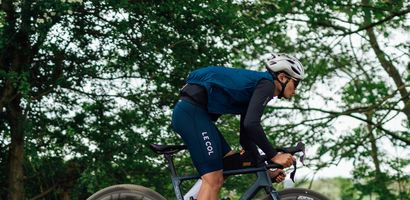
What is a Gravel Bike?
Gravel bikes are changing how people ride. Sitting right in the middle of road and off-road, they're fast on tarmac and stable on loose ground. Comfortable over long distances and ready for whatever the ride throws at you.
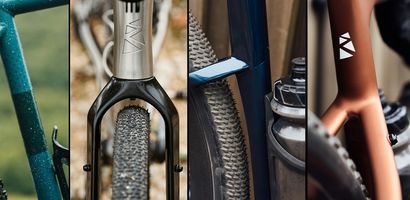
Gravel Bikes - Which frame material is right for you?
More cyclists than ever are seizing the opportunity to take their rides off-piste in search of freedom and adventure. But to do so, you need the right tool for the job - a gravel bike. The Ribble gravel range consists of four frame materials. Each of these offers something a little different in terms of ride quality, longevity and performance characteristics. So how do you decide which frame material is right for you?

Tyre Choice and Pressures for UK Gravel
Tyres can make or break your gravel ride. This blog cuts through the guesswork on width, tread and pressure, showing you what actually works for UK conditions.
Getting the right set up is half the battle
Getting your gravel bike set up right is the difference between enjoying the ride and counting down the miles. This blog breaks down the key adjustments that actually matter, from saddle height to bar position and tyre pressure, without drowning you in jargon.

Why Gravel Riding Works In February
February gravel isn’t about hero rides. It’s about quiet trails, mixed surfaces and riding for the sake of it. This blog dives into why Ribble staff and the Outliers keep choosing gravel when winter drags on, from traffic-free routes to bikes built to handle proper UK conditions.
Post Ride Checks That Keep Your Gravel Bike Running
Winter wrecks bikes. This blog shows you how to fight back in five minutes flat. No tools, no faff. Just the simple checks that stop small issues turning into expensive problems. From wiping down grit to spotting tyre cuts and keeping your chain alive, it’s the bare minimum that makes a massive difference. Ride more. Fix less. Your future self will thank you.
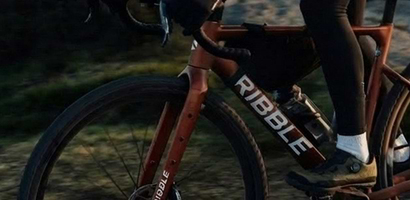
Winter Gravel Clothing Guide
Winter gravel isn’t about suffering. It’s about turning up and staying comfortable. This guide shares no-nonsense kit advice from Ribble staff and the Outliers on what actually works in a UK February.
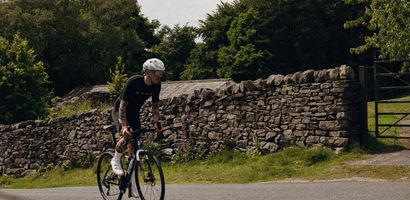
Best Road Bikes for Beginners: A Complete Guide to Getting Started
New to road cycling and drowning in jargon? This guide cuts through the noise. We break down what actually matters on your first road bike, from comfort to gearing, and show you which options suit real UK riding. No hard sell. No tech waffle. Just straight-talking advice to help you choose a bike you will actually enjoy riding.
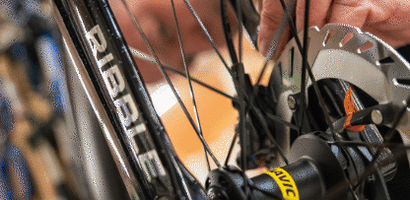
When To Service Your Bike? A Practical Guide for Every Rider
Looking after your bike doesn’t start and end with a clean after riding. Regular servicing keeps it working at its best, no matter how often you ride. The tricky part is knowing when a service is needed. Too early feels unnecessary. Too late and the problems have already crept in. This guide breaks it down simply so you can ride more and worry less.

Staying Motivated: Winter Wisdom From The Ribble Family
When winter kills your motivation, even the pros feel it. The difference is they’ve built strategies that keep them riding when willpower runs out. Here’s how they stay consistent, break through the slump, and keep the pedals turning through the toughest months.

10 weeks down and far from decided: here’s why to join now
Ten weeks in and building momentum. Join the Ribble Winter Racing Series now - your best 10 results count. Race hard, miss weeks, progress.