Tyre Choice and Pressures for UK Gravel
The pressure is on.
One of the most important parts of gravel.
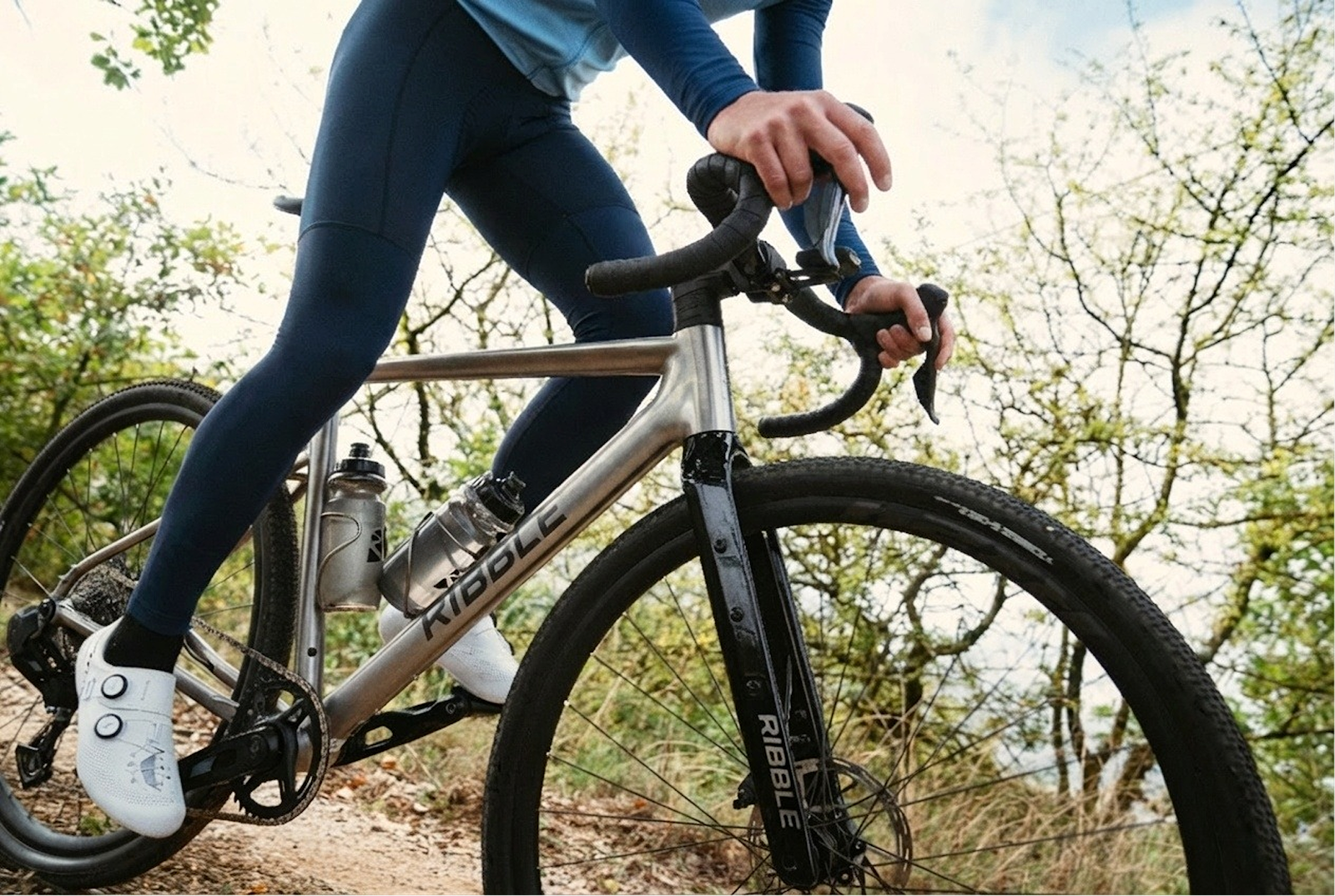
Tyres matter more on gravel than they do on road. They're your suspension, your grip, and the difference between floating over rough ground or feeling every rock and rut. Getting tyre choice and pressure right transforms how your gravel bike rides.
Tyre Width: What Works
35-40mm: Fast rolling, good for smoother gravel and mixed road/gravel routes. Less comfort on rough terrain. 40-45mm: The sweet spot for most UK gravel riding. Comfortable, versatile, and handles everything from tarmac to muddy bridleways. 45mm+: Maximum comfort and grip on rough terrain. Slower on smooth sections, but worth it for technical routes or bikepacking.Ribble recommendation: Start with 45 mm tyres. They handle most UK gravel well. This is why all our gravel bikes are built with 45mm tyres.
Tread Pattern
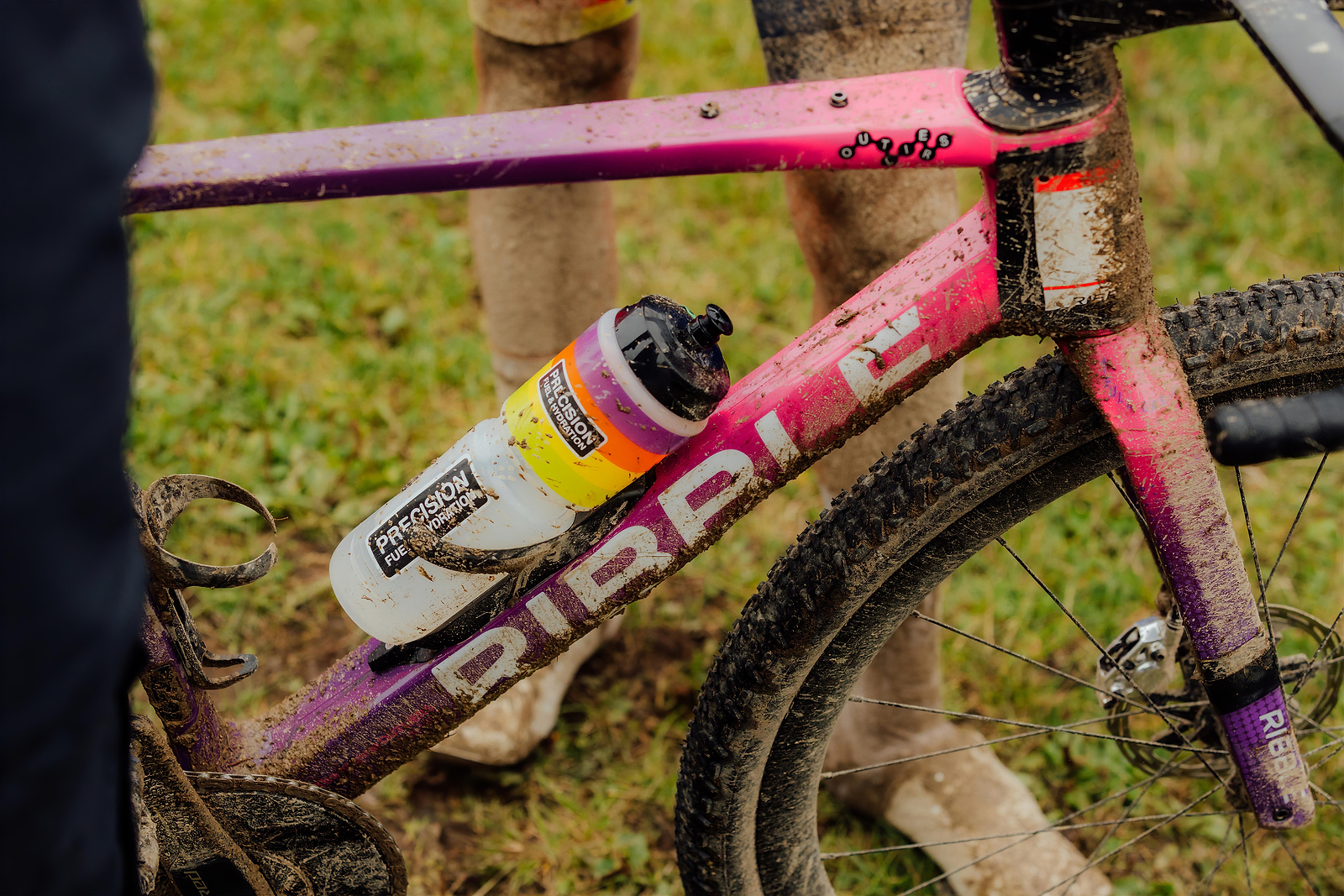
Light file tread: Fast on dry hard pack and road. Limited grip in mud. Medium tread: Versatile. Rolls reasonably fast, grips well on loose gravel, sheds mud. What most UK riders need. Aggressive tread: Maximum grip in mud and loose conditions. Slower on hard pack.Tubeless or Tubes?
Tubeless advantages: Run 5-10 psi lower, fewer punctures, better grip and comfort. Tubes advantages: Simple setup, reliable, easier to fix on the trail.Tyre Pressure Guide
Use this chart as a starting point, then adjust based on how the bike feels.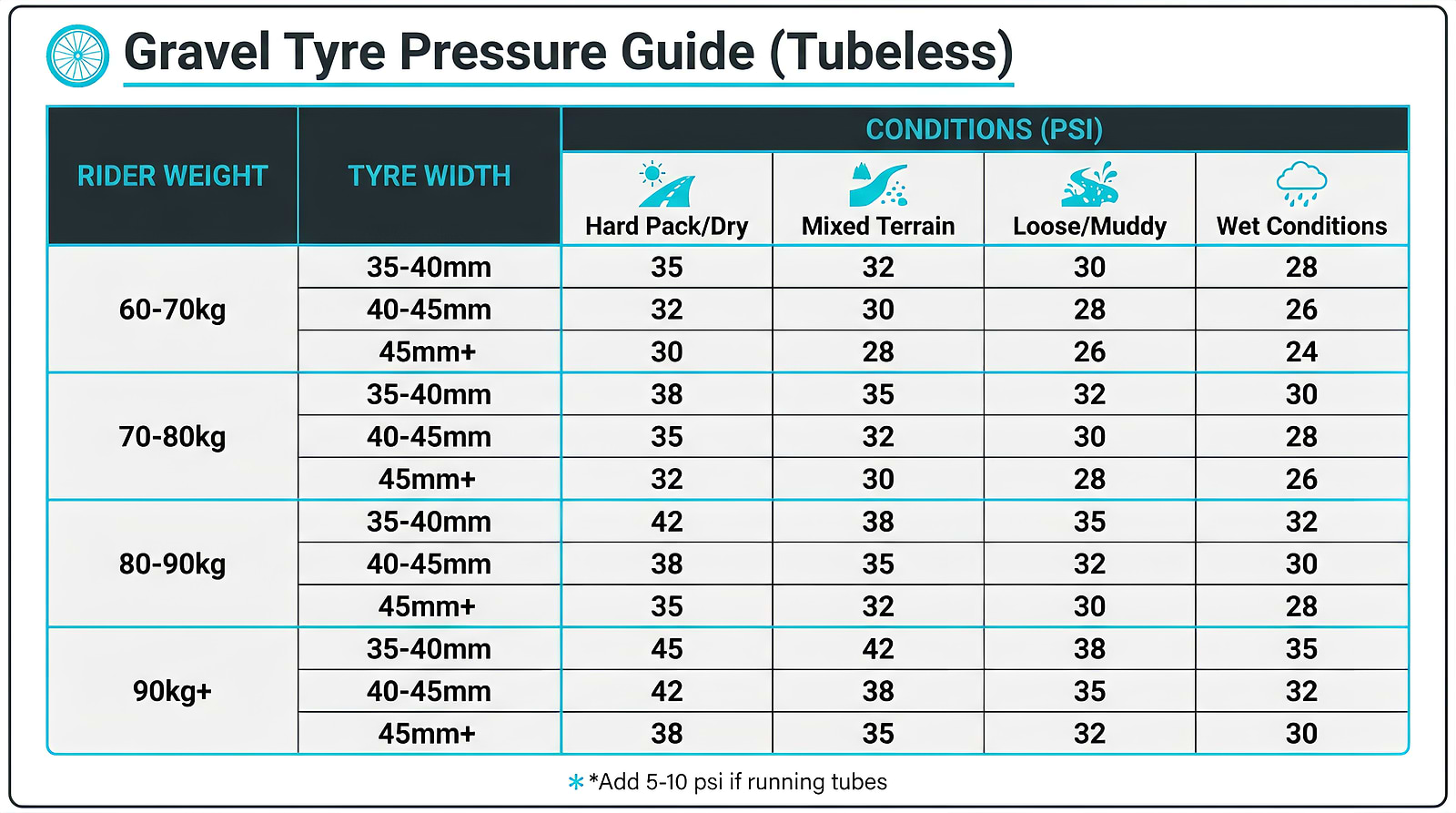
It’s time to upgrage
As the knowledge and understanding of tyre technology changes, so does the design of our bikes. What was considered a wide tyre for gravel two years ago, is no longer the case and that’s why when we launched our ULTRA-GRIT and ALLGRIT gravel bikes, we designed them to have the right clearance for wide fast, grippy tyres. Check out the gravel bike range below
- New

ALLGRIT Ti-X
Engineered for the long haul. Premium 3D printed titanium, ultra-smooth ride, rugged endurance. Built to go further, forever.
- Save $75
- New
ALLGRIT AL
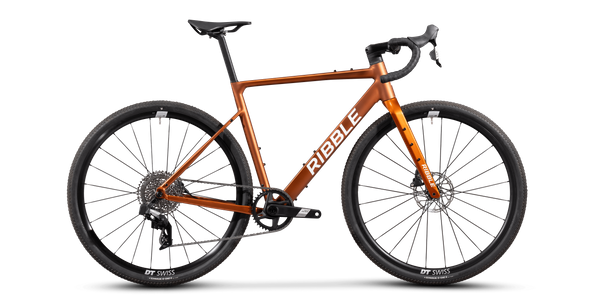
Pure, go-anywhere adventure. Lightweight alloy, confident handling, fully-loaded capability. Ride roads, trails, and everything in between.
- Save $75
- New
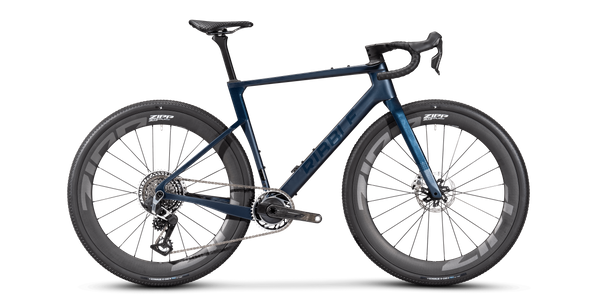
ULTRA-GRIT
Race-proven carbon gravel racer with aero optimisation and precision handling. Built to go faster, further. Builds from 8.0 kg.

Gravel Ti
Titanium gravel bike. Ultimate durability, all-terrain capability & smooth ride for off-road adventures.
- New
- Electric
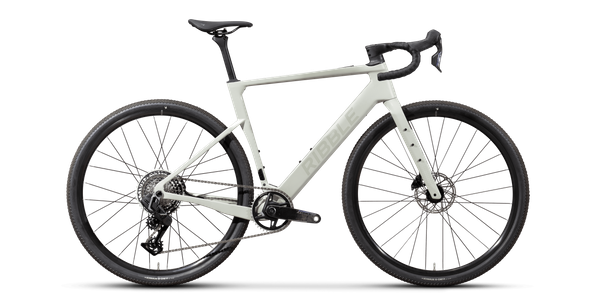
ALLGRIT E CARBON-X
Lightweight. Powerful. Limitless. Carbon frame, integrated power, all-terrain speed. Adventure, amplified.
Please note we can not ship this product to your selected country- Save $210

Gravel 725
Traditional steel frame gravel bike. Durable, all-terrain capability & comfort for all-day trail riding.
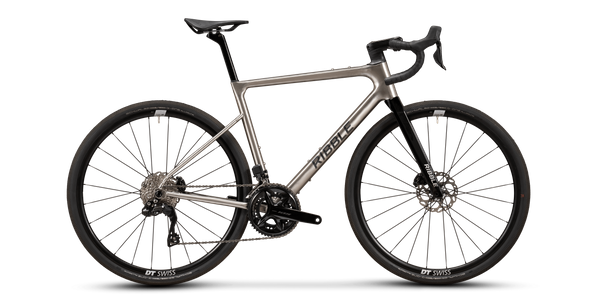
CGR Ti-X
Titanium elegance with the CGR do it all attitude. Smooth, confident, ready to go the distance on any surface. Built to ride and built to last.
- Save $405
- New
- Electric
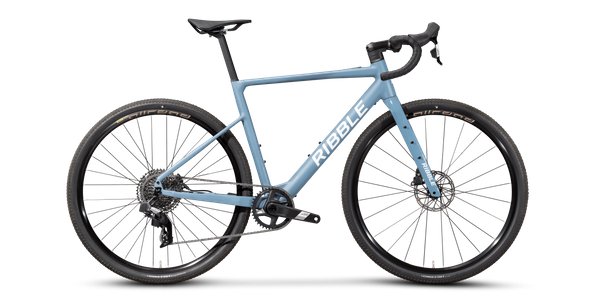
ALLGRIT E AL
Electric freedom, wherever you roam. Sleek alloy frame, natural pedal-assist, all-terrain ready. Power your next escape.
Please note we can not ship this product to your selected country 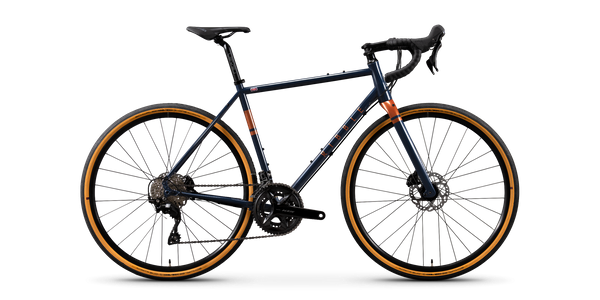
CGR 725
Traditional steel frame Commute-Gravel-Road bike. Durable, versatile & comfortable for all-terrain adventures.
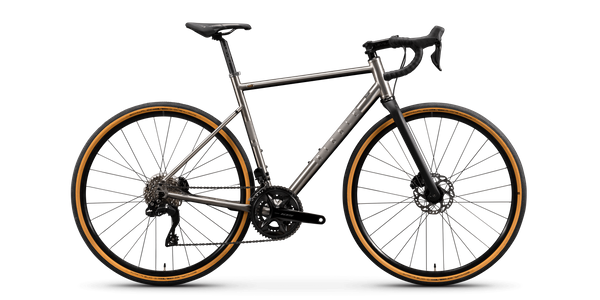
CGR Ti
A Commute-Gravel-Road bike built for a lifetime of rides. Titanium frame paired with carbon forks and seat post for enduring strength, low weight, and all-day comfort with timeless titanium style.
- Electric
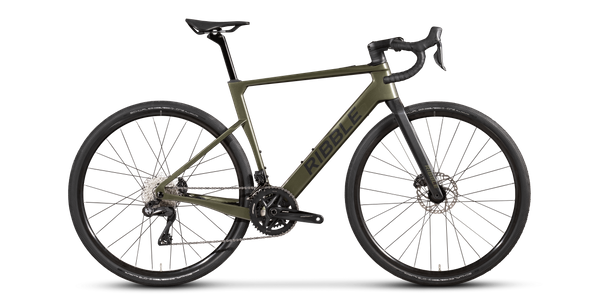
CGR E Carbon-X
CGR taken to a new level. A premium, integrated, e-bike for road, gravel and everything between. Super lightweight carbon bike and Mahle’s latest X20 e-drive system. It’s capable of anything you are.
Please note we can not ship this product to your selected country- Save $140
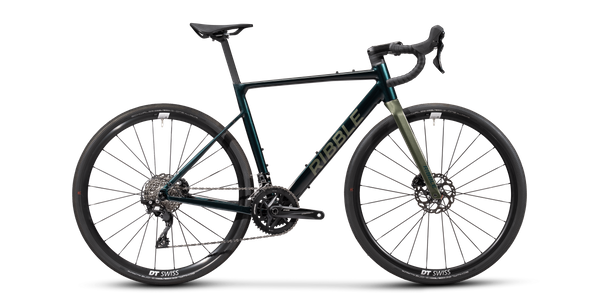
CGR AL
The original do it all bike. A versatile, all-surface aluminium bike built for every day. Confident on the commute, gravel or road. Mounts for racks, mudguards and bags to carry everything you need.
- Save $265
- Electric
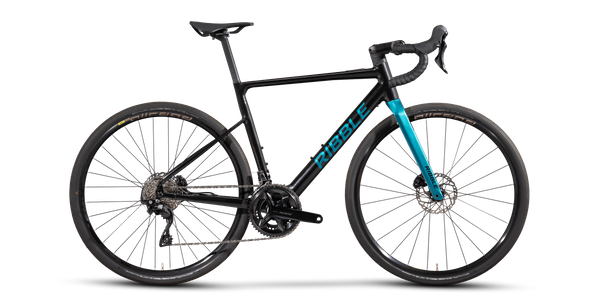
CGR E AL
Everything brilliant about the CGR AL, plus electric assist when you want it. Powered by the Mahle X30 e-drive system. Quiet, light and ready to go.
Please note we can not ship this product to your selected country 
Gravel AL
Aluminium gravel bike. Durable & lightweight frame, all-terrain capability & comfort for exploring any trail.

Restrap Race Frame Bag - Small
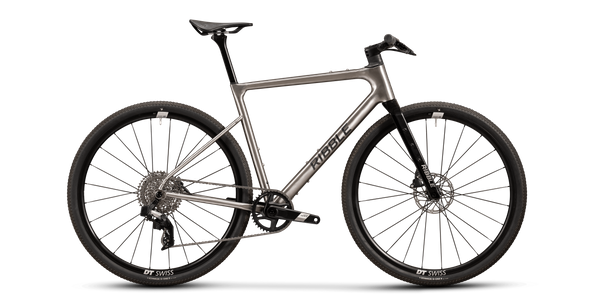
Allgrit Ti-X Sportfit Apex XPLR AXS
Premium titanium frame, carbon fork and upright flat bar setup for confident control across rough terrain, with Mavic wheels and SRAM Apex XPLR AXS wireless precision.
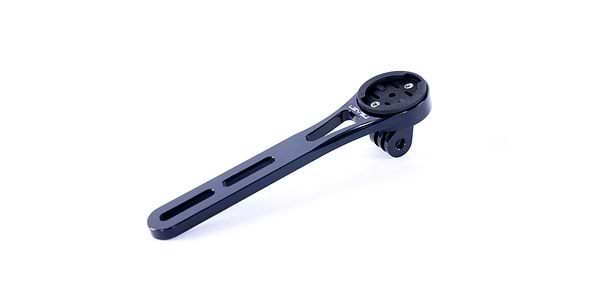
Level Out Front Computer Mount with GoPro Attachment

Ribble Touch Up Paint - CGR SL White
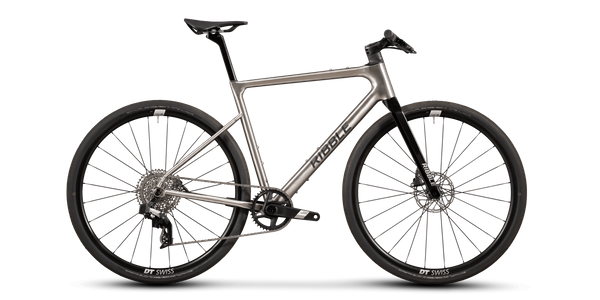
CGR Ti-X Sportfit Apex XPLR AXS
Flat bar titanium versatility with SRAM Apex XPLR AXS wireless shifting and DT Swiss wheels for confident, all-road performance with timeless ride quality.

Shimano Dura-Ace R9100 SPD-SL Pedals

Ribble Touch Up Paint - CGR 725 Blue

Ribble Touch Up Paint - CGR Copper

Restrap Frame Strap

Restrap Bar Pack - 10 Litres

Best Gravel Bikes 2026
What actually makes ‘the best’ gravel bike in 2026? A clear guide to choosing the best bike for how you actually ride.

Tyre Choice and Pressures for UK Gravel
Tyres can make or break your gravel ride. This blog cuts through the guesswork on width, tread and pressure, showing you what actually works for UK conditions.

Why Gravel Riding Works In February
February gravel isn’t about hero rides. It’s about quiet trails, mixed surfaces and riding for the sake of it. This blog dives into why Ribble staff and the Outliers keep choosing gravel when winter drags on, from traffic-free routes to bikes built to handle proper UK conditions.

Ribble x Restrap Bike-Packing Giveaway
We've teamed up with our friends at Restrap to offer one luck person the chance to get their hands on an amazing selection of bike-packing luggage. Restrap specialise in making technical bike-packing gear for all genres of riding. Every item of luggage produced at their Leeds factory is expertly handcrafted from sustainable materials. Their design principle is simple; design, build and ride. So you can be sure that every design that reaches production has been subjected to the most rigorous testing imaginable.

How To Choose Your Gravel Bike
The sheer versatility and ride-anywhere capabilities of Ribble's Gravel bikes make them the perfect vehicle for off-grid adventures. Here, we explore the range and explain the key differences to help you choose yours.