Are you sportive ready? - Pre event preparation
Sportives (Cyclosportive/Gran Fondo) are now a staple part of cycling both in the UK and abroad. With the most famous UK sportive probably being the Ride London event. Ribble have sponsored Velo Birmingham in 2017 and 2019 and Velo South in 2018 and these types of events are a great day out for cyclists of all ages and experience. They are extremely popular due to the fact they are held on closed roads and feature well marked routes, feed stations and mechanical support. They are well organised and a great way to spend a day of your weekend. But the big question is 'Are you sportive ready?'
If you have entered one of these closed road sportives for the first time we thought it would be a great idea to share some tips for pre-ride preparation. In conjunction with our recent bike maintenance blog this should ensure that nothing is left to chance and you are as well prepared as can be to go out and enjoy the event.

Training
It sounds obvious but getting some training miles under the belt will dramatically improve your ride performance. It's no secret that there is a direct correlation between level of fitness and how much enjoyment you take from riding the bike. The fitter you are the easier it is, though reaching a decent level of fitness is hard work but more than worth the effort! Whenever you can, dust off the bike and take it for a spin for a few hours and reap the benefits on sportive day!

What to take?
Rule #1 of cycling is BE PREPARED and by this we mean set off with at least the absolute minimum to get you out of a jam. Though sportive organisers will normally provide mechanical assistance it's probably best not to rely on this too heavily. There are certain essentials that you should take on every ride;
- A couple of tubes - note we do not say A spare tube. If you puncture whilst out and about it is advisable to have that 2nd spare to fall back on just in case.
- A pump - Take a mini pump and/or CO2 pump. A CO2 pump helps you to inflate a tube faster but is heavier and requires you to also carry a spare cartridge. A great solution is to take a mini pump AND a CO2 inflator. Most mini pumps are supplied with a bracket that allows you to bolt them onto a bottle cage. Therefore leaving you more room in your pockets for food or tools.
- Tyre levers - Ensure they are of good quality, poor quality ones will bend under pressure. Avoid alloy ones if possible as they can damage the wheel rim and/or tyres. Whilst also voiding any manufacturers warranty.
- Saddle bag / frame fit bag - You can carry tools and spare tubes in a jersey pocket but it is more convenient to carry them on the bike leaving the jersey pockets free for energy food or clothing.
- A multi tool - The absolute minimum you will need is a multi tool with a set of allen (hex) keys for any emergency tightening of bolts. Though we would also recommend one with a built in chain tool just in case of a chain snap.
Clothing
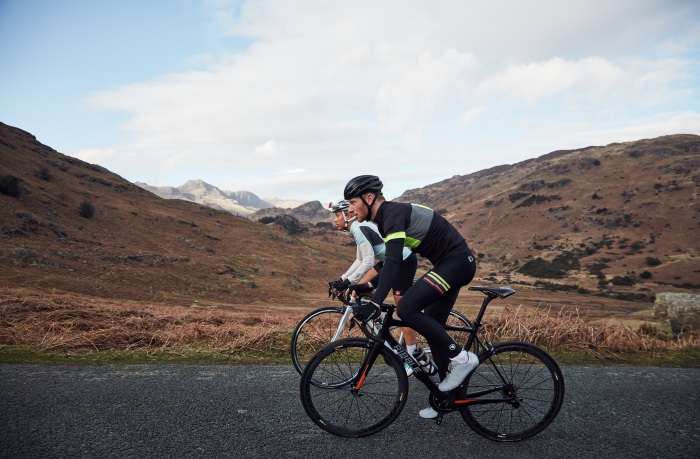
Another prime layering example short sleeve jersey and shorts with arm and leg warmers!
This will largely depend upon weather conditions, but also your own body. Some people find they perspire more than others and may feel happier with slightly less layers. The key word here is layers, check the weather conditions for the day and wear clothing appropriate to what you can expect.
Everyone will have their own preferences but during the spring / summer especially here in the UK where the weather is very changeable a great combo is;
- Undervest - a thermal (e.g merino wool) for cooler rides or a coolmax wicking vest for hotter days.
- Bibshorts / shorts - padded shorts are a must. If you don't want to go full lycra then use padded undershorts (think boxers/knickers with padding) with your normal clothing over the top.
- Arm warmers - Easily removed when the temperature rises and just as easy to stash away in jersey pockets or bags.
- Leg / Knee warmers - As with armwarmers, easily removed when the temperature rises and easy to pack away.
- Short Sleeve jersey - Great for warm weather rides and if the ride is a little cooler you can add the aforementioned armwarmers and a thermal undervest.
- Gilet (vest) - The gilet is essentially a bodywarmer or sleeveless outer vest. It will in most cases be showerproof and windproof. Unless it is absolutely pouring down the vest is a great option and can be stowed away quite easily.
The reason a combination of the above is so good is that it's easier to regulate body temperature. You can remove items as required and stash them easily in jersey pockets or saddle bags. However, if you overheat when wearing bibtights and long sleeve jackets / jerseys there's little you can do to regulate the heat. If rain is expected you can opt for a waterproof gilet or a stash-able, lightweight, rain jacket.
If the weather is cooler then layering becomes even more important and in these instances it will probably be necessary to wear a base layer, mid layer and outer layer!
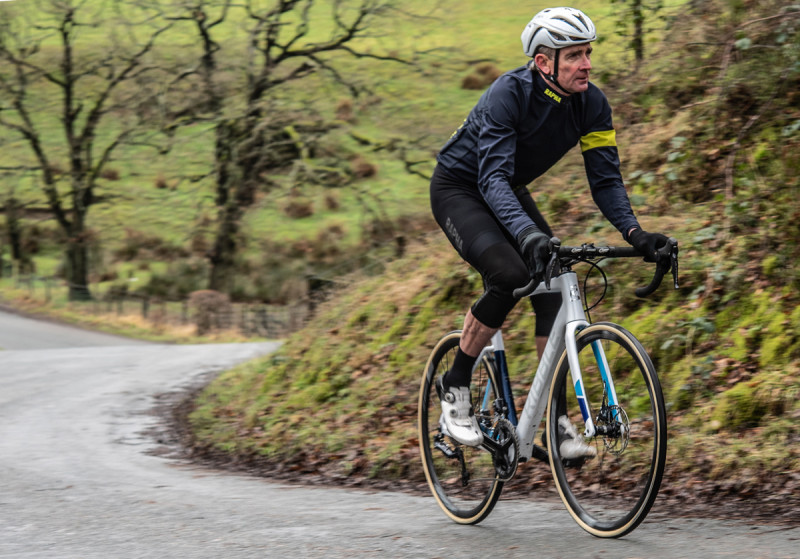
Sean Yates highlights partial layering, with shorts and knee warmers. An outer jacket and probably a base layer and long or short sleeve jersey. Layering is king!
Fuel / Food

Sports nutrition are not a substitute for real food but can certainly help counter fatigue and provide the energy you need. Not to mention they're easy to carry in jersey pockets etc.
Though most sportives will offer feed stations it is best not to rely on them too much. A breakfast of toast and porridge is a great choice as it contains the necessary carbs. The key is to get the carbs in before the ride commences.
Ideally the best source of the nutrition you will need is from sports nutrition products as they contain all the good stuff you will need without the fibre and fats that you should avoid. These slow down the absorption of the food your body craves. However, not everyone can stomach sports nutrition so if this is the case concentrate on foods that are high in carbs.
Once the ride commences eat little and often, if you eat too much during the ride or at the rest stops your body diverts blood supply to aid digestion. This has a detrimental effect on your performance as a result.
Riders who aim to take it easy may wish to mix sports nutrition products with regular food such as bananas, dried fruit , Jaffa Cake, cereal bars and Jelly Babies etc. Basically anything that contains the necessary glucose. If you are aiming to ride competitively then sport nutrition products are better sources of fuel to aid performance.
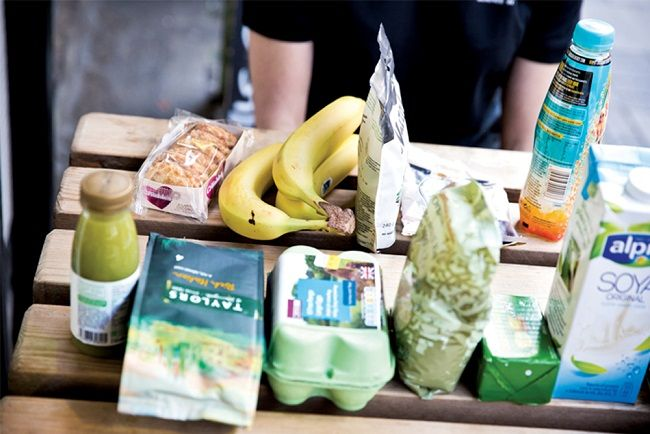
A sample of good cycling food, eggs, bananas and coffee (obviously). Anything with carbs and protein that help enhance your bodies energy levels.
Hydration

Most bikes will have at least 2 bottle cages so make sure you utilise them correctly. https://www.ribblecycles.co.uk/ribble-2019-team-bottle/#pid=63134
As with food you must hydrate properly, it is essential to replace electrolytes to counter the effects of sweating and dehydration. Electrolytic drinks and Isotonic gels are the best form of hydration by far and some electrolyte drinks also contain carbs as well so are ideal.
Don't be tempted to hydrate well before the start line and then leave it an hour or 2 into the ride before you take another drink. It is essential that you continue hydration within the first 90 minutes for your body to continue working efficiently. Nobody wants to experience the horror of the dreaded 'bonk'. For the uninitiated it is when your body burns up all the glycogen and runs out of fuel to burn. This results in dizziness, blurred vision and weakness (not pleasant!).
Pace yourself
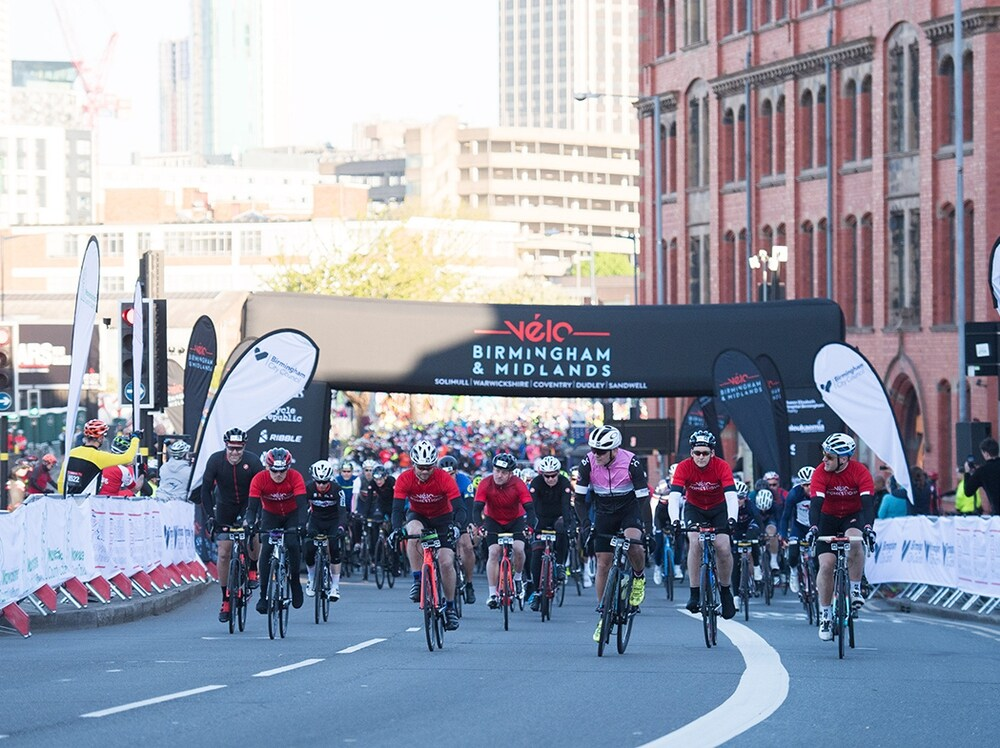
The start/finish line for Velo Birmingham 2019
When you commence the ride set a pace that you feel comfortable with, one that you feel can carry you through to the end. It's easy to see other riders riding faster or even be in a group with faster riders and to feel the need to speed up. Let them go on and concentrate on setting your own pace. A nice easy cadence also reduces the strain on your joints and muscles.
Have Fun
Above all else this is the key component to any ride let alone a Sportive, if you have prepared for it adequately then you can just set off and enjoy yourself. Take the time to take in the scenery and soak up the camaraderie that exists during these events.
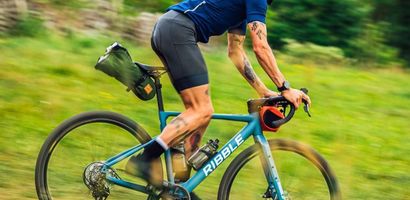
Best Gravel Bikes 2026
What actually makes ‘the best’ gravel bike in 2026? A clear guide to choosing the best bike for how you actually ride.
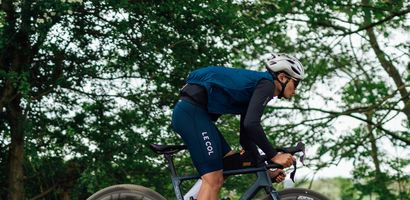
What is a Gravel Bike?
Gravel bikes are changing how people ride. Sitting right in the middle of road and off-road, they're fast on tarmac and stable on loose ground. Comfortable over long distances and ready for whatever the ride throws at you.
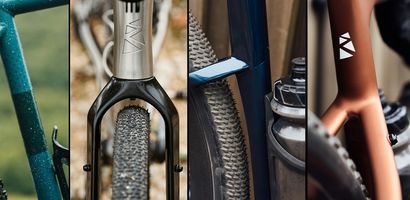
Gravel Bikes - Which frame material is right for you?
More cyclists than ever are seizing the opportunity to take their rides off-piste in search of freedom and adventure. But to do so, you need the right tool for the job - a gravel bike. The Ribble gravel range consists of four frame materials. Each of these offers something a little different in terms of ride quality, longevity and performance characteristics. So how do you decide which frame material is right for you?

Tyre Choice and Pressures for UK Gravel
Tyres can make or break your gravel ride. This blog cuts through the guesswork on width, tread and pressure, showing you what actually works for UK conditions.
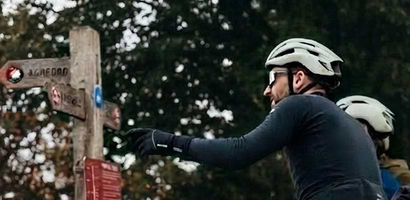
Getting the right set up is half the battle
Getting your gravel bike set up right is the difference between enjoying the ride and counting down the miles. This blog breaks down the key adjustments that actually matter, from saddle height to bar position and tyre pressure, without drowning you in jargon.

Why Gravel Riding Works In February
February gravel isn’t about hero rides. It’s about quiet trails, mixed surfaces and riding for the sake of it. This blog dives into why Ribble staff and the Outliers keep choosing gravel when winter drags on, from traffic-free routes to bikes built to handle proper UK conditions.
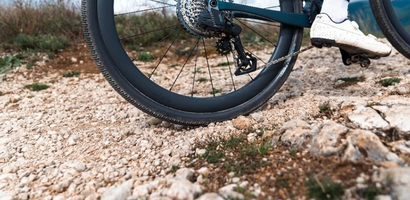
Post Ride Checks That Keep Your Gravel Bike Running
Winter wrecks bikes. This blog shows you how to fight back in five minutes flat. No tools, no faff. Just the simple checks that stop small issues turning into expensive problems. From wiping down grit to spotting tyre cuts and keeping your chain alive, it’s the bare minimum that makes a massive difference. Ride more. Fix less. Your future self will thank you.
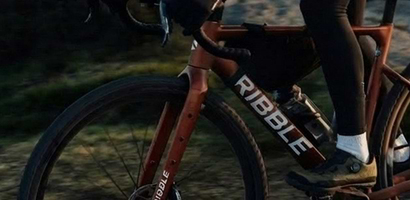
Winter Gravel Clothing Guide
Winter gravel isn’t about suffering. It’s about turning up and staying comfortable. This guide shares no-nonsense kit advice from Ribble staff and the Outliers on what actually works in a UK February.
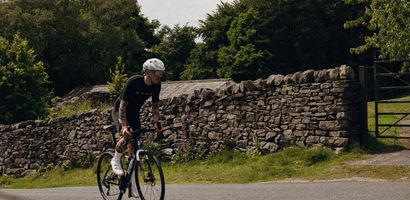
Best Road Bikes for Beginners: A Complete Guide to Getting Started
New to road cycling and drowning in jargon? This guide cuts through the noise. We break down what actually matters on your first road bike, from comfort to gearing, and show you which options suit real UK riding. No hard sell. No tech waffle. Just straight-talking advice to help you choose a bike you will actually enjoy riding.
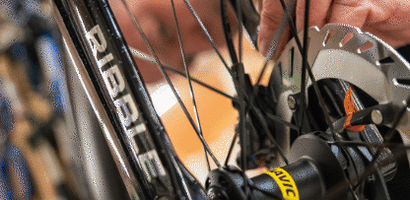
When To Service Your Bike? A Practical Guide for Every Rider
Looking after your bike doesn’t start and end with a clean after riding. Regular servicing keeps it working at its best, no matter how often you ride. The tricky part is knowing when a service is needed. Too early feels unnecessary. Too late and the problems have already crept in. This guide breaks it down simply so you can ride more and worry less.
Staying Motivated: Winter Wisdom From The Ribble Family
When winter kills your motivation, even the pros feel it. The difference is they’ve built strategies that keep them riding when willpower runs out. Here’s how they stay consistent, break through the slump, and keep the pedals turning through the toughest months.

10 weeks down and far from decided: here’s why to join now
Ten weeks in and building momentum. Join the Ribble Winter Racing Series now - your best 10 results count. Race hard, miss weeks, progress.