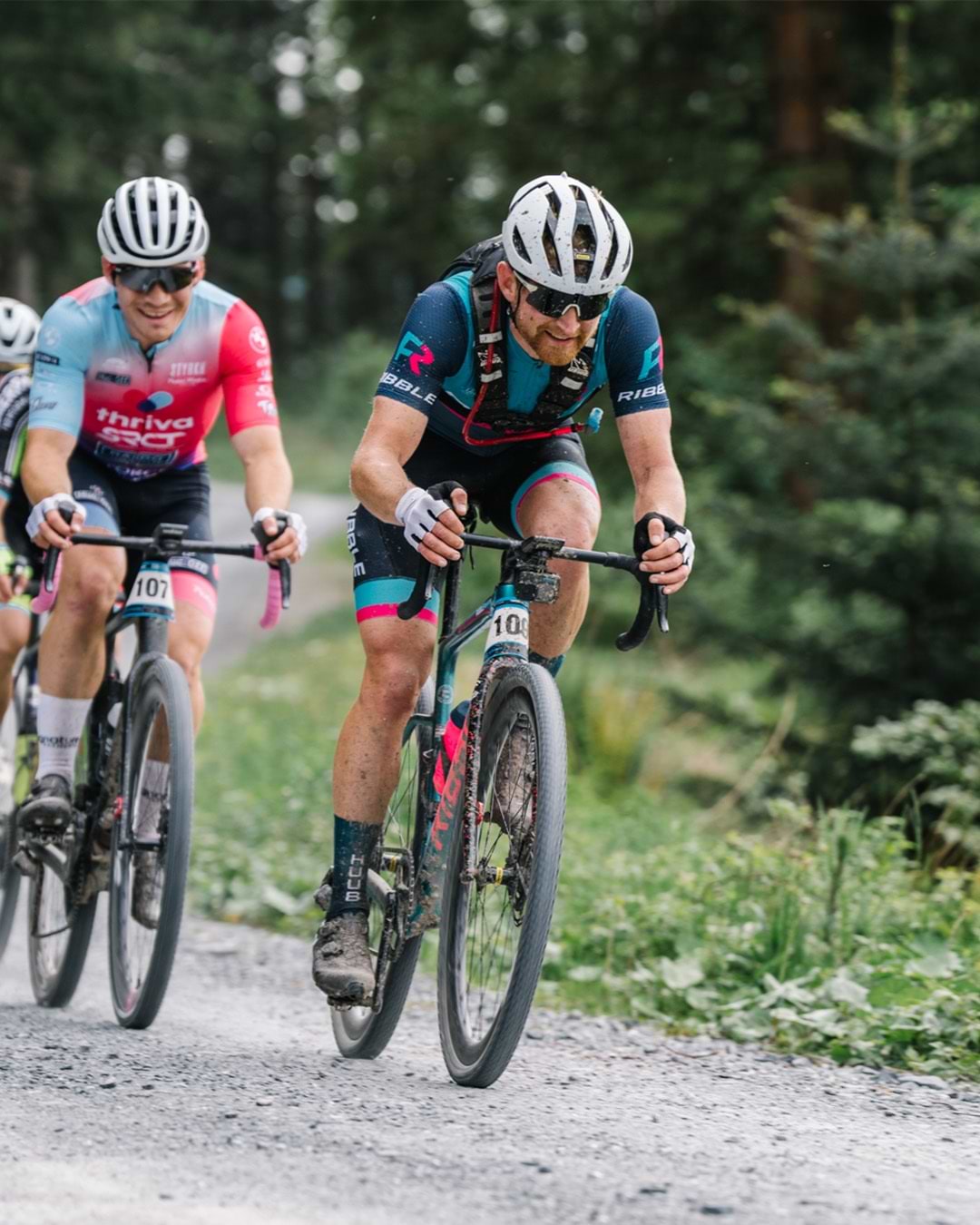
How to Train For a Bike Race - A Comprehensive Guide
Training for a cycling race requires more than just hopping on your bike and pedalling for hours. It’s true what they say: preparation is the key to success.
Ribble is here to offer tips on how to train for a cycling race, whether you’re new to cycling and racing or an experienced cyclist needing to refresh your approach for a challenging cycling event.
This guide will walk you through the key steps to training for a bike race. It will help you improve your performance, build endurance, and ensure you're race-ready.
Pre-Cycling Assessment
Don’t worry! It’s not a test. It's just a few questions to ask yourself to help you set realistic expectations.
Set Clear Goals
What do you want to achieve? Are you aiming to finish a certain distance, improve your time, or win the race?
Establish realistic and measurable goals to guide your training.
Understand Your Current Fitness Levels
What is your current fitness level? Consider how long it takes you to cover a distance. Be honest; if you overestimate, it will be harder to create a realistic, tailored plan to suit your needs and, ultimately, achieve your goals.
Know the Race Terrain
Familiarise yourself with the race route. Is it hilly, flat, or a mix of both? Tailor your training to mimic the race profile and conditions.

Develop a Cycling Training Plan
Create a structured training plan to measure your progress. Build up your training in ‘phases’ to help maintain consistency.
- 12-16 weeks before the race: Build endurance through long, steady rides to lay the foundation for your fitness
- 8-12 weeks before the race: Introduce interval training and hill work to build strength and power
- 4-6 weeks before the race: Sharpen your race fitness with race-specific workouts, including high-intensity efforts and tapering
- 1-2 weeks before the race: Reduce training volume but maintain intensity to allow your body to recover and be at its best for race day
How to Prepare for a Cycling Race
- Long Rides - These build endurance. Aim for one long ride per week, gradually increasing the distance.
- Interval Training - High-intensity interval training (HIIT) will improve your agility and speed.
- Strength & Conditioning - Incorporate strength training to improve muscle power and prevent injury. Focus on exercises that target the legs, core, and upper body.
- Hill Repeats - Mimic the race’s elevation profile by practising hill climbs. These sessions boost your climbing strength.
- Recovery Rides - Incorporate easy rides to aid recovery and prevent overtraining.
- Rest Days - Prioritise rest days to allow your body to recover and adapt to the training load. Use techniques like stretching, foam rolling, and massages to enhance recovery.
Nutrition & Hydration for Cyclsists
Nutrition is key. Fuel your body to aid your training and performance.
Before Training
- Eat balanced meals with carbohydrates, protein, and fats 2-3 hours before training.
- Half an hour before training, have a small snack, like a banana or an energy bar.
During Training
- For rides longer than 90 minutes, consume carbohydrates to maintain energy levels.
- Consider energy gels, bars, or a sports drink.
- Stay hydrated by drinking water or an electrolyte drink – aim for 500-750ml per hour.
Post-Training Recovery
- Replenish glycogen stores and repair muscles with a post-ride meal rich in carbohydrates and protein, ideally within 30-60 minutes of finishing your ride.
Race Day Nutrition
- Stick to familiar foods that you've tested during training.
- Eat a carbohydrate-rich meal 3-4 hours before the race and have a light snack closer to the start time.
Mental Preparation
Your mental health is as important as physical fitness:
- Visualise the race route and imagine yourself riding strong, especially during challenging sections.
- Boost your confidence and focus with positive self-talk.
- Break down challenging climbs into small manageable sections and enter it with a can-do attitude.
Plan a Race Strategy
Consider maintaining a steady pace at the start and gradually speeding up towards the finish. This approach is about keeping motivated and reserving your energy for the first two-thirds of the race. The last part of the race should take the most effort, so planning to refuel your energy levels while racing is critical.

Equipment & Maintenance
- Bike Fit – Visit our showroom to test-ride different bikes and find the right fit and comfort level. Our expert team will be on hand to help you try different models personalised to your needs for a great cycling experience, especially during longer duration rides.
- Regular Maintenance – Keep your bike clean and ensure all components (chain, tyres and brakes) peform efficiently.
- Race Day Checklist – Before the race, check your tyre pressure, chain lubrication, and brake function. Remember essentials like your helmet, cycling shoes, and race number.

Key Takeaways
Create a Structured Training Plan – Develop a plan incorporating endurance, strength, and race-specific training phases. Include long rides, interval sessions, and hill repeats.
Prioritise Nutrition and Hydration – Fuel your body before, during, and after rides with the right carbohydrates, protein, and fluid balance to support your training and recovery.
Mental and Strategic Preparation –Take the time to prepare for your race mentally. Develop a race strategy with pacing, nutrition, and pivotal moments to push hard.
Bike Maintenance – Keep your bike in top condition to maximise comfort and performance on race day.
Are you Race-Ready
Training for a bike race requires dedication, consistency, and a well-structured plan. By following this comprehensive guide, you'll be well-prepared to tackle your next cycling event confidently. Every ride brings you closer to your goal. Set yourself up for success and stay committed. Enjoy the journey and the thrill of crossing the finish line. Happy riding!

Frequently Asked Questions (FAQs)
How many weeks should I train for a cycling race?
A well-rounded training plan typically spans 12-24 weeks, depending on your fitness level and race distance.
Can I train indoors for a bike race?
Yes, indoor training can be effective, especially during bouts of poor weather. Use a turbo trainer or smart trainer to simulate outdoor conditions and keep the legs spinning.
What should I eat on race day?
Focus on easily digestible, carbohydrate-rich foods. Avoid trying new foods on race day to prevent digestive issues.
Shop Ribble Bikes Online
Create your Dream Ribble bike with CustomColour in our Bike configurator tool.
Race-Ready Bike Ranges
If you need more, check out our 7 essential tips to help you prepare for a race.
The Ribble Collective give their top three recommendations for long-haul rides
We’ve added SRAM Groupsets to our Gravel Bike Range. Find out what happened when we put them to the test to help you decide which Gravel Bike is best.
Best Gravel Bikes 2026
What actually makes ‘the best’ gravel bike in 2026? A clear guide to choosing the best bike for how you actually ride.
What is a Gravel Bike?
Gravel bikes are changing how people ride. Sitting right in the middle of road and off-road, they're fast on tarmac and stable on loose ground. Comfortable over long distances and ready for whatever the ride throws at you.
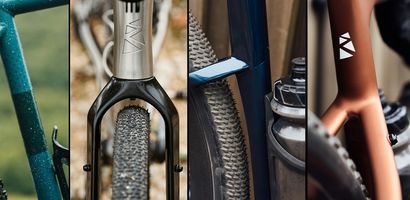
Gravel Bikes - Which frame material is right for you?
More cyclists than ever are seizing the opportunity to take their rides off-piste in search of freedom and adventure. But to do so, you need the right tool for the job - a gravel bike. The Ribble gravel range consists of four frame materials. Each of these offers something a little different in terms of ride quality, longevity and performance characteristics. So how do you decide which frame material is right for you?

Tyre Choice and Pressures for UK Gravel
Tyres can make or break your gravel ride. This blog cuts through the guesswork on width, tread and pressure, showing you what actually works for UK conditions.

Getting the right set up is half the battle
Getting your gravel bike set up right is the difference between enjoying the ride and counting down the miles. This blog breaks down the key adjustments that actually matter, from saddle height to bar position and tyre pressure, without drowning you in jargon.

Why Gravel Riding Works In February
February gravel isn’t about hero rides. It’s about quiet trails, mixed surfaces and riding for the sake of it. This blog dives into why Ribble staff and the Outliers keep choosing gravel when winter drags on, from traffic-free routes to bikes built to handle proper UK conditions.
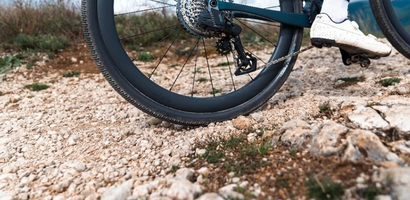
Post Ride Checks That Keep Your Gravel Bike Running
Winter wrecks bikes. This blog shows you how to fight back in five minutes flat. No tools, no faff. Just the simple checks that stop small issues turning into expensive problems. From wiping down grit to spotting tyre cuts and keeping your chain alive, it’s the bare minimum that makes a massive difference. Ride more. Fix less. Your future self will thank you.
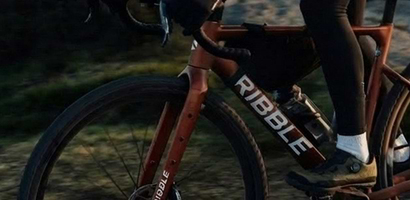
Winter Gravel Clothing Guide
Winter gravel isn’t about suffering. It’s about turning up and staying comfortable. This guide shares no-nonsense kit advice from Ribble staff and the Outliers on what actually works in a UK February.
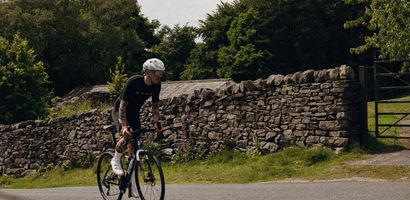
Best Road Bikes for Beginners: A Complete Guide to Getting Started
New to road cycling and drowning in jargon? This guide cuts through the noise. We break down what actually matters on your first road bike, from comfort to gearing, and show you which options suit real UK riding. No hard sell. No tech waffle. Just straight-talking advice to help you choose a bike you will actually enjoy riding.
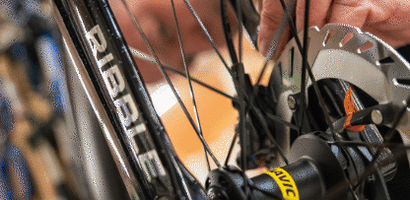
When To Service Your Bike? A Practical Guide for Every Rider
Looking after your bike doesn’t start and end with a clean after riding. Regular servicing keeps it working at its best, no matter how often you ride. The tricky part is knowing when a service is needed. Too early feels unnecessary. Too late and the problems have already crept in. This guide breaks it down simply so you can ride more and worry less.

Staying Motivated: Winter Wisdom From The Ribble Family
When winter kills your motivation, even the pros feel it. The difference is they’ve built strategies that keep them riding when willpower runs out. Here’s how they stay consistent, break through the slump, and keep the pedals turning through the toughest months.

10 weeks down and far from decided: here’s why to join now
Ten weeks in and building momentum. Join the Ribble Winter Racing Series now - your best 10 results count. Race hard, miss weeks, progress.