What Exactly is a Training Camp?
Jack Rees - Ribble Pro Cycling team manager - takes us through the teams recent pre-season training camp.
Given the tough conditions faced by riders training through a typical British winter, warm weather training camps are almost essential for today's UK professionals. Spanish cycling hot spots such as Mallorca, Calpe and Girona offer generally dry, sunny and warm conditions in which to rack up pre-race season miles in the saddle. Continental training camp hot spots usually also have far longer climbs than those in the UK on which to build fitness levels and form. 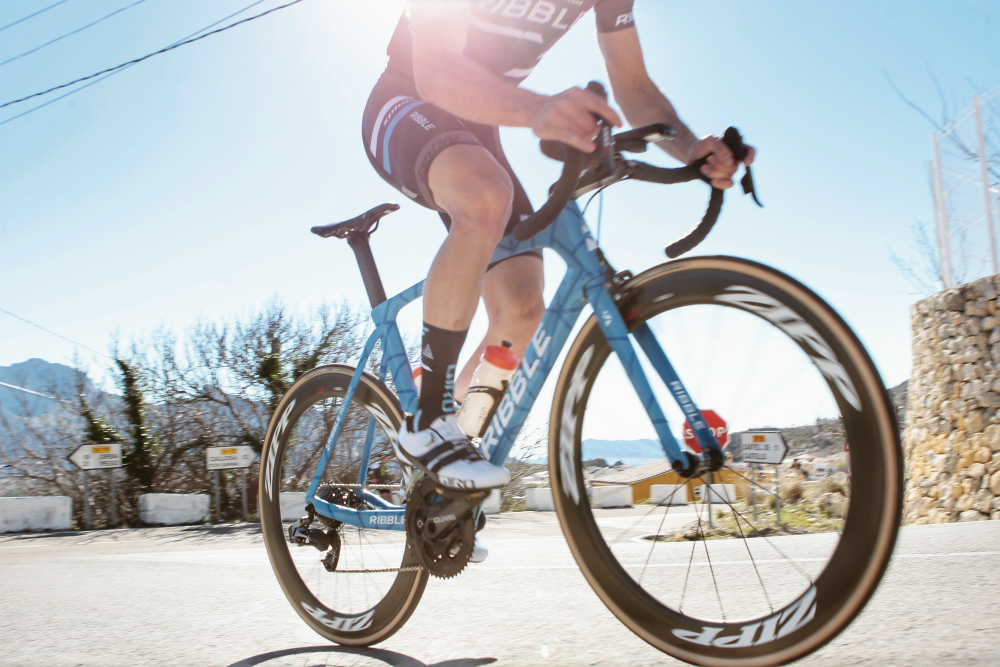 Even the Big Guys Gear Down
"These climbs are important as they offer a platform on which structured training efforts can be performed."
Team training camps also provide the perfect opportunity for riders to test themselves and their new equipment ahead of the first races and get to know each other, both on and off the bike.
Y Viva España
In February, the Ribble Pro Cycling team took their Ribble Aero 883's to Calpe on the Costa Blanca in Spain for a ten-day camp. For many years now, Calpe has been the chosen destination for the majority of the World Tour pro cycling team pre-season camps. With its quiet, smooth mountain roads and warm, sunny climate, it was the ideal place for the Ribble Pro team ahead of the first major races of the 2018 season. 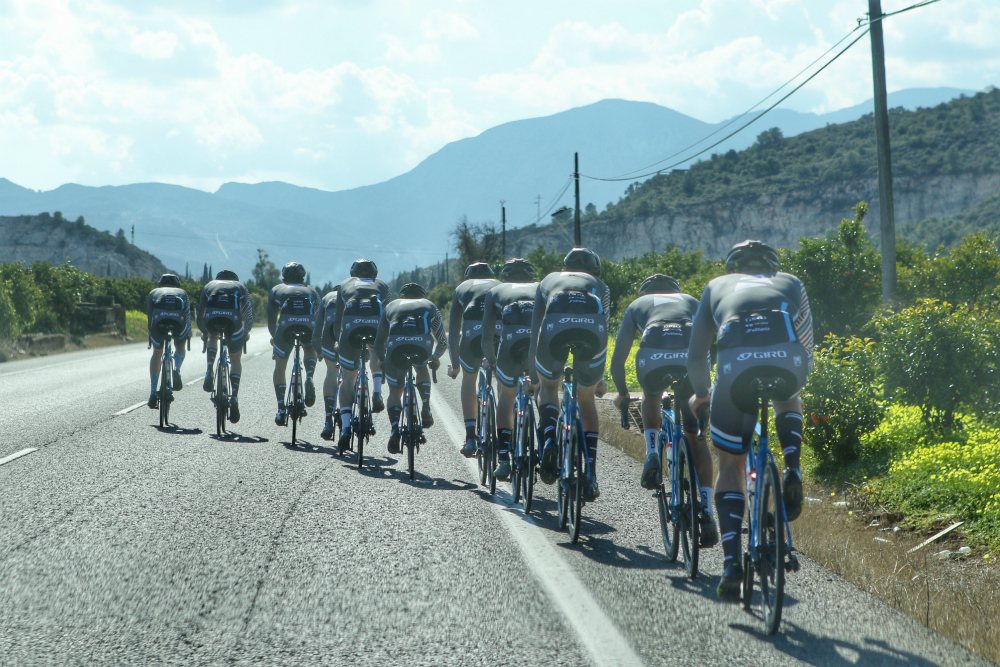 Team Tactics are Everything The training camp schedule comprised of two, three-day training blocks which included a range of structured efforts, with two recovery days, and finally a four-hour ‘race simulation’ session. The rides would also give the team the opportunity to practise sprint lead-outs, ride as a chain gang and feeding , utilising team car support, to take on board nutritional products from Secret Training.
Block One?
After a three-hour ride on day one which included three, five minute VO2 max hill repeats and four sprint lead-outs, the first real challenge of the camp came on day two in the form of a 20 minute all out FTP test effort.
BUT with a catch!
Riders would set off at 15-second intervals based on their power numbers from the previous day’s session. This meant that not only did each rider have a ‘carrot’ to chase ahead of them, but they too were being chased by a teammate behind them. The results of the test were very promising. Most of the squad produced personal best 20-minute power numbers, the strongest of which are considered as world class. 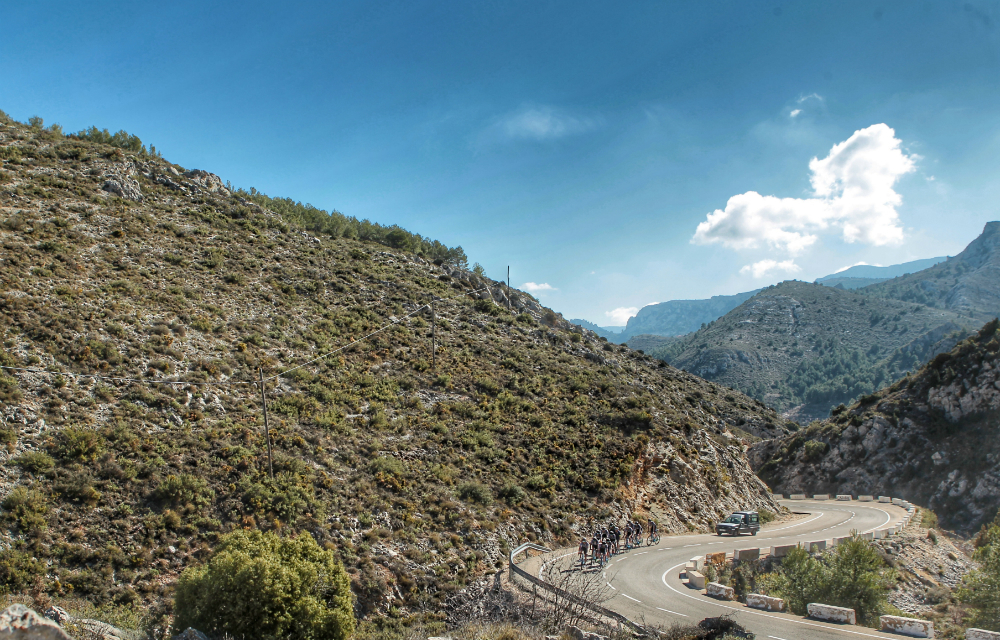 Good Weather Makes a Good Camp A long endurance ride rounded out the first, three-day block of the training camp. Riders were rewarded on the 'rest day' with a relaxing spin along the coast to a local coffee shop run by a roasting company.
"Good coffee (and maybe some cake) is high on the priorities list of most riders!"
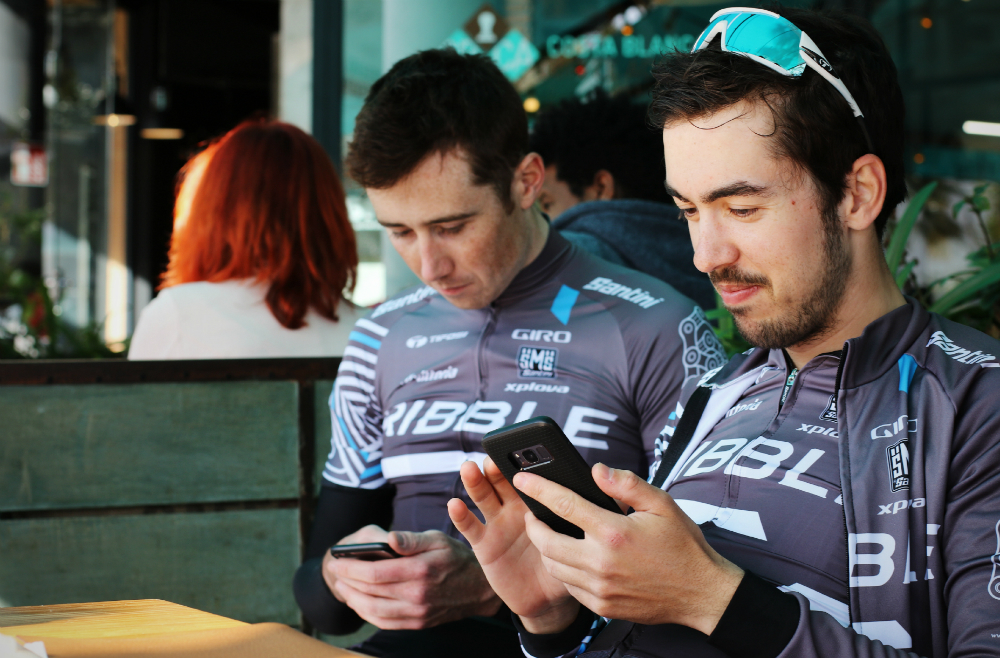 Checking Out Power Data from the Camp so Far
Block Two
The second block of the training camp began with a gruelling series of intervals forming part of a three-hour ride. Using a local climb the riders performed a series of high-intensity interval sessions. Riding 30 seconds 'on' and 30 seconds 'off' for ten minutes is tough but doing this three times is a horrible, especially when the ride is three hours long. This was backed up the next day by a solid four-hour training ride which included four, ten-minute sweet spot hill repeats. These sweet spot sessions aim to build the riders’ threshold power ability.
"As we came to the end of the second block, we all started to feel the training stress. We were ready for the rest day."
The final day of the block saw the team really empty the tank over five hours over some tough Spanish terrain. The ride culminated in a long chaingang effort and a classic town sign sprint (would any British training camp be complete without one?). 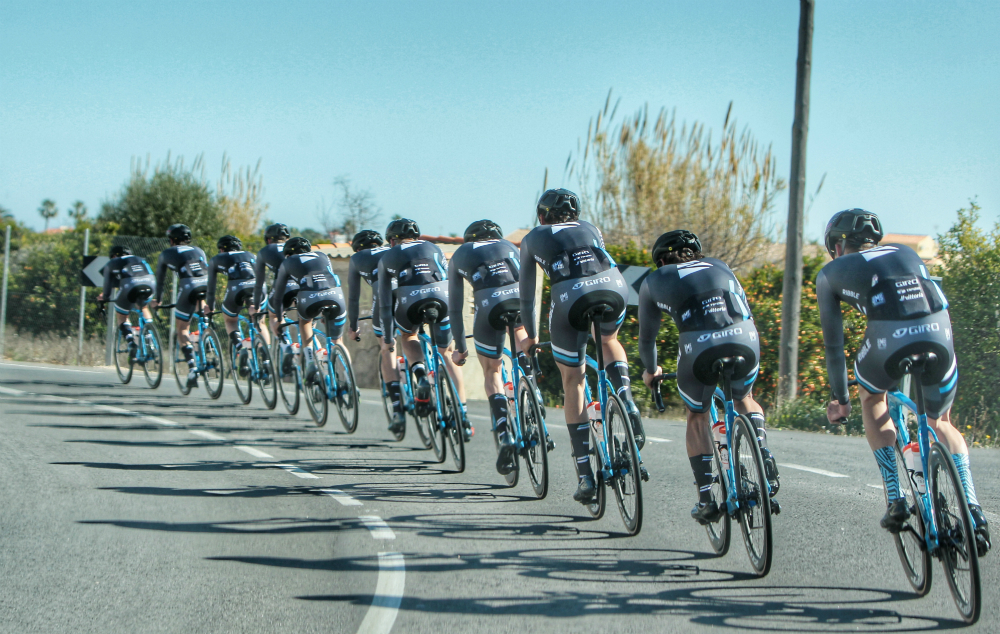 Planned Efforts Give Structure and Output from Training
Race Day(ish)
After a slightly chillier recovery spin north along the coast road to a cafe in Moraira, the riders rolled out for a final, four-hour race simulation ride. Kitted out in full race equipment including their new Giro Vanquish helmets, Santini skin suits and aero socks, the ride tested both the riders kit and legs. 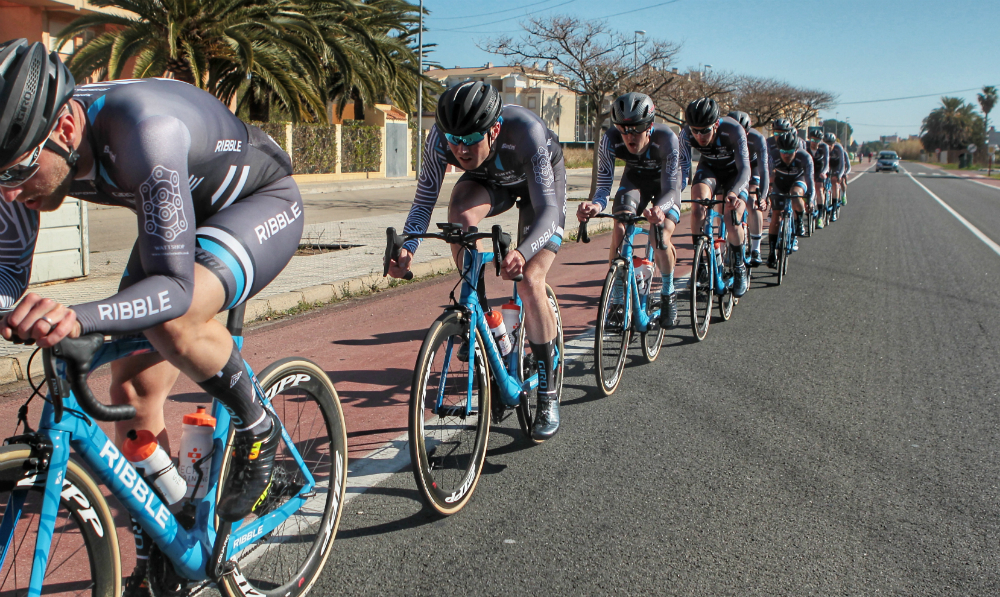 Aero and Fast the Team Hit the Race Simulation Hard
"The team averaged 40kph over the four hours of rolling terrain which saw more than 2,000m of climbing accumulated."
All Good Things
With that, the training camp had reached its conclusion, and the riders flew home to begin their race campaigns and add the finishing touches to their training preparations. In total, the Aero 883 Team Bikes were ridden 970km in 27 hours. The riders left in excellent condition and highly motivated to pin a number on and kick off the 2018 race season. We can’t wait for what is surely set to be a great year for Ribble Pro Cycling’s riders, staff and sponsors, so stay tuned! To see other stories from our pro team blog... Go here
ULTRA-ROAD vs ULTRA-RACE: Which One Is Right For You?
Two bikes, one range, two different kinds of fast. We take a look at the ULTRA-ROAD and ULTRA-RACE to help you decide which is the right bike for you.
Why Your Race Bike Might Be Making You Slower
A longer, lower, more aggressive position means faster right? Not always. We take a look at the reality of performance that's sustainable.
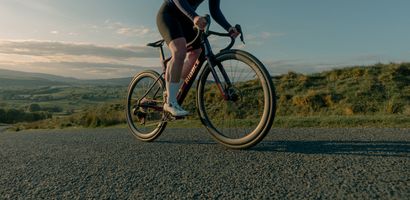
How We Built ULTRA-ROAD: Behind The Design
We take a look at the design of the ULTRA-ROAD. Not a comfort bike, or a softer alternative to a race bike, but a performance road bike designed around the way most riders actually ride.
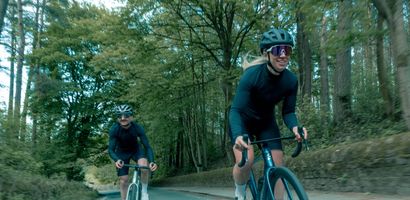
Everything You Need to Know About the ALLROAD CARBON
The ALLROAD CARBON takes everything riders already loved about the ALLROAD SL and refines it for the way modern road riding actually looks. Lighter, smoother and more capable across rough roads, long rides and changing conditions, it is built to keep going when the tarmac stops being perfect.
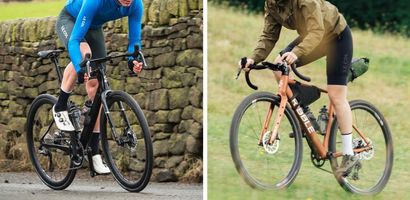
Gravel Bike vs Road Bike: How to Choose
Gravel bike or road bike? One's built for speed, the other for versatility, but the right choice comes down to how and where you ride. Here's how to decide.
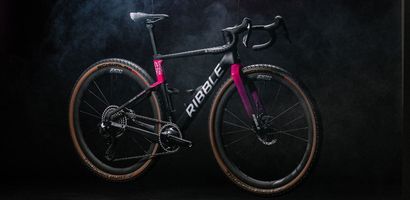
Built for the Margins: Sophie Wright’s Ultra-Grit Special Edition
At the sharp end of racing, the difference is made in the fine margins. Sophie Wright’s ULTRA-GRIT Special Edition is built for those margins. A one-off race bike built by our development team to be lighter, more focused and stripped back to what matters.
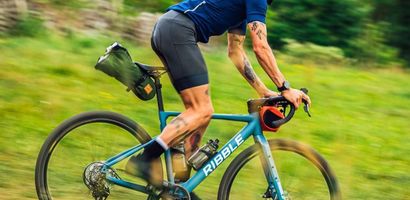
Best Gravel Bikes 2026
What actually makes ‘the best’ gravel bike in 2026? A clear guide to choosing the best bike for how you actually ride.
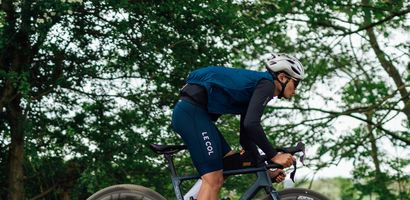
What is a Gravel Bike?
Gravel bikes are changing how people ride. Sitting right in the middle of road and off-road, they're fast on tarmac and stable on loose ground. Comfortable over long distances and ready for whatever the ride throws at you.
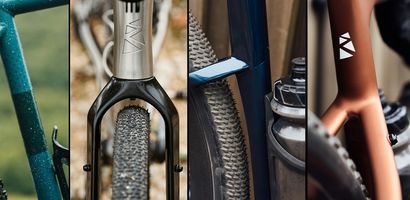
Gravel Bikes - Which frame material is right for you?
More cyclists than ever are seizing the opportunity to take their rides off-piste in search of freedom and adventure. But to do so, you need the right tool for the job - a gravel bike. The Ribble gravel range consists of four frame materials. Each of these offers something a little different in terms of ride quality, longevity and performance characteristics. So how do you decide which frame material is right for you?

Tyre Choice and Pressures for UK Gravel
Tyres can make or break your gravel ride. This blog cuts through the guesswork on width, tread and pressure, showing you what actually works for UK conditions.
Getting the right set up is half the battle
Getting your gravel bike set up right is the difference between enjoying the ride and counting down the miles. This blog breaks down the key adjustments that actually matter, from saddle height to bar position and tyre pressure, without drowning you in jargon.

Why Gravel Riding Works In February
February gravel isn’t about hero rides. It’s about quiet trails, mixed surfaces and riding for the sake of it. This blog dives into why Ribble staff and the Outliers keep choosing gravel when winter drags on, from traffic-free routes to bikes built to handle proper UK conditions.