Our fastest bikes, built to win
Gravel Bike vs Road Bike: How to Choose
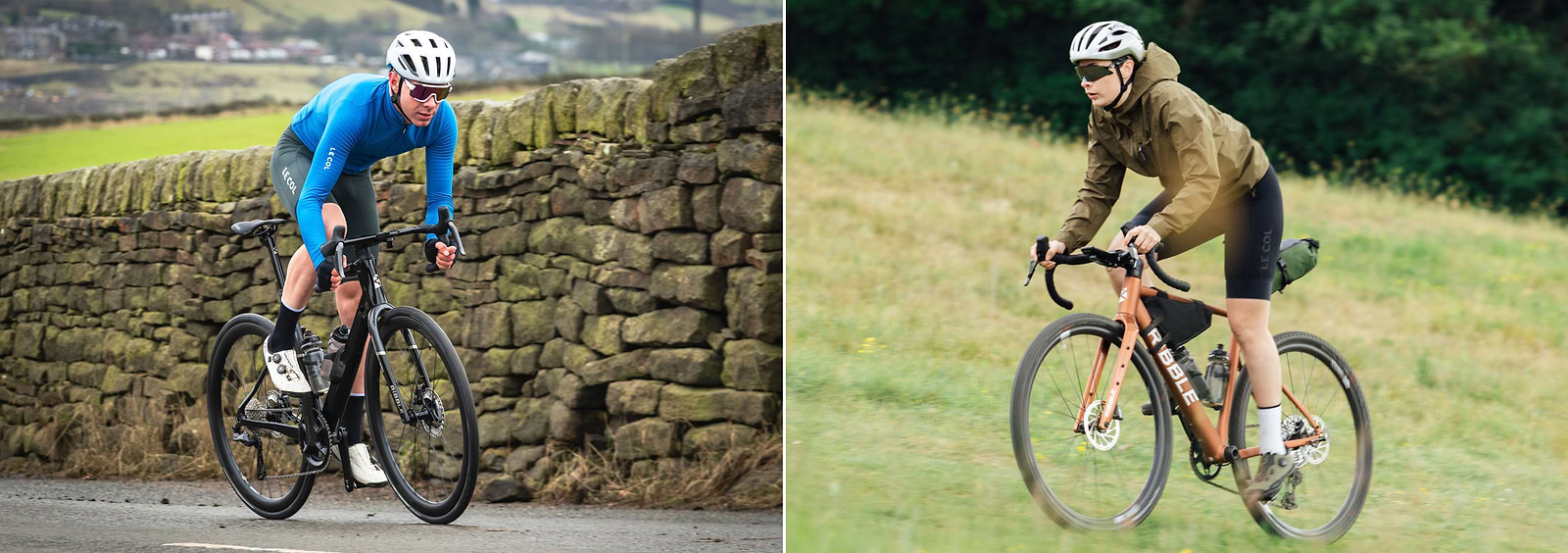
If you’re trying to decide between a gravel bike and a road bike, you’re not alone. It’s one of the biggest questions riders are asking right now, and for good reason. Gravel bikes are quicker than ever. Road bikes are more capable than they used to be. CGR bikes share its DNA with both.
But here’s something most comparison guides miss - there’s no definitive “better” bike. There’s only the bike that fits how you ride, where you ride and the kind of riding that makes you want to head out more often.
A pure road bike on smooth tarmac is hard to beat. Fast-paced club rides, sweeping descents and long summer miles feel effortless when the bike beneath you is built for speed. But take the same bike onto rough UK roads scarred by potholes and winter debris, and that sharp handling can quickly start to feel harsh and tiring.
A gravel bike flips the equation. It gives away some outright speed in exchange for comfort, versatility and confidence across mixed terrain. For many UK riders dealing with rough back roads, gravel tracks and unpredictable weather, that trade-off makes a lot of sense.
In this guide, we’ll break down the real-world differences between gravel bikes and road bikes.
Overview of Gravel Bikes
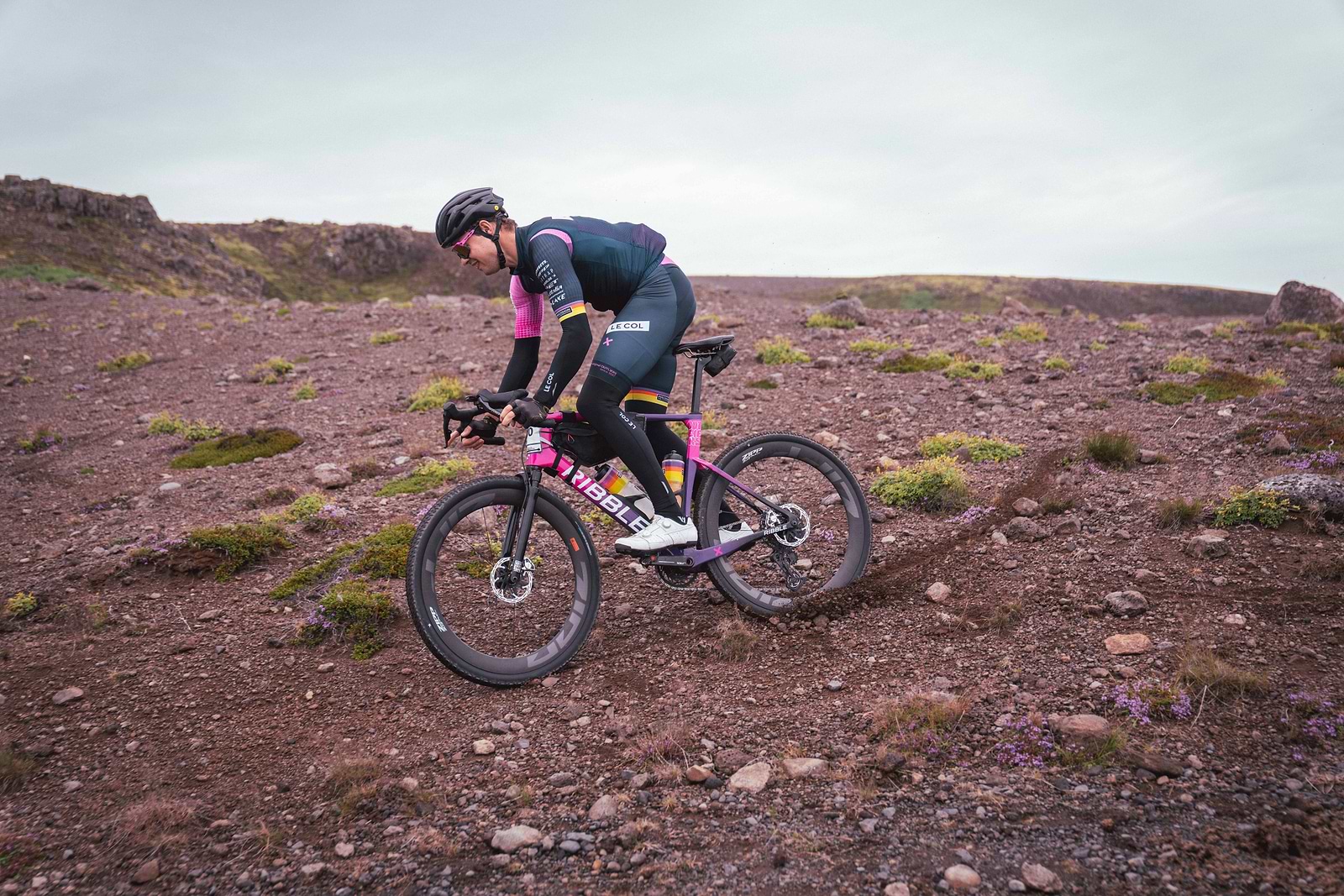
Gravel bikes were designed for riders who want to go beyond smooth tarmac. They blend features from road bikes, endurance bikes and mountain bikes to create something incredibly versatile.
From a distance, they can look similar to road bikes. Drop handlebars, disc brakes and lightweight frames are common across both categories. But the details tell a different story.
Most gravel bikes feature:
- Wider tyre clearance for added grip and comfort
- Stable geometry for confidence on rough terrain
- Lower gearing for steep or loose climbs
- Extra mounting points for bags and mudguards
- More forgiving ride quality over long distances
Tyres are one of the biggest differences in the gravel bike vs road bike debate. Gravel bikes usually run tyres between 35mm and 50mm wide, while road bikes commonly use 25mm to 32mm tyres.
That extra tyre volume changes how the bike feels completely. Wider tyres absorb rough surfaces more effectively, improve grip and help riders stay comfortable for longer. For UK riding, that matters. British roads are rarely perfect. Between potholes, broken lanes, wet descents and rough tracks, a gravel bike often feels more suited to real-world conditions than an aggressive race bike.
Gravel bikes are also hugely adaptable. Add luggage and they become excellent bikepacking machines. Fit mudguards and they make practical winter commuters. Swap to slicker tyres and they can comfortably handle long road rides too.
That versatility explains why gravel riding has exploded in popularity over the last few years.
Overview of Road Bikes
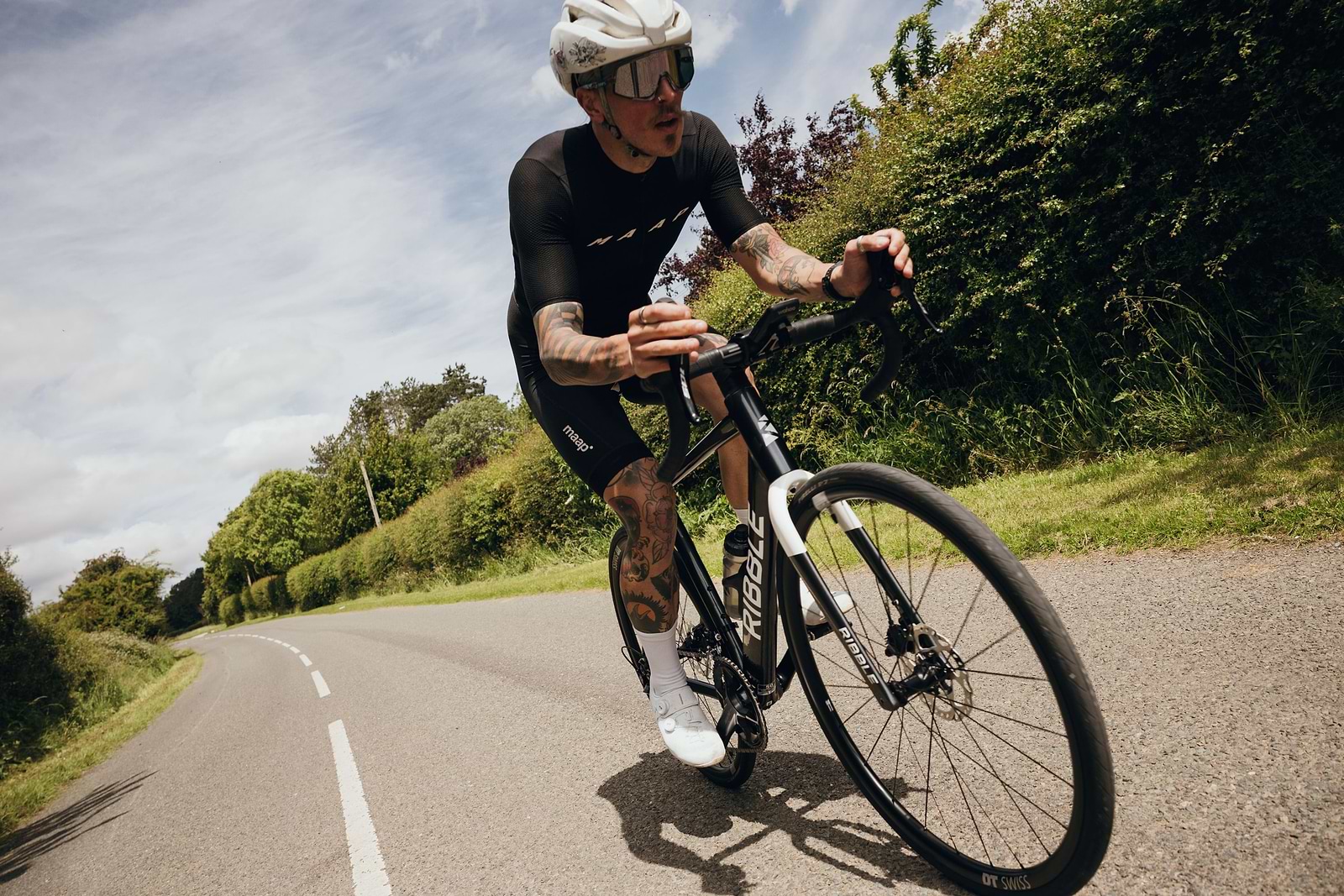
Road bikes are designed around one goal: speed on tarmac.
Everything from the frame shape to the riding position is built to maximise efficiency, reduce drag and help riders cover ground quickly.
Compared to gravel bikes, road bikes are generally:
- Lighter
- More aerodynamic
- Faster on smooth roads
- Sharper handling
- More responsive under acceleration
Modern road bikes usually fall into three main categories:
Aero Road Bikes
Built for maximum speed. Aero tube shapes, integrated cables and aggressive riding positions help riders cut through the wind more efficiently.
Race Bikes
Focused on low weight and responsive handling. These bikes are designed for fast climbing, sprinting and competitive riding.
Endurance Road Bikes
Built for long-distance comfort without losing the feel of a road bike. Endurance geometry is slightly more relaxed, making these bikes more forgiving over rough roads and longer rides.
One reason road bikes still dominate fast riding is road bike aerodynamics. Once speeds rise above around 15mph, wind resistance becomes one of the biggest forces slowing a rider down.
That’s why road bikes use:
- Narrower tyres
- Lower riding positions
- Aero tube profiles
- Deep-section wheels
The result is a bike that feels quick, lively and efficient on smooth roads.
But there’s a trade-off. The more aggressive the bike, the less forgiving it can feel over rough surfaces or very long rides.
Key Differences Between Gravel and Road Bikes
Frame Design and Geometry
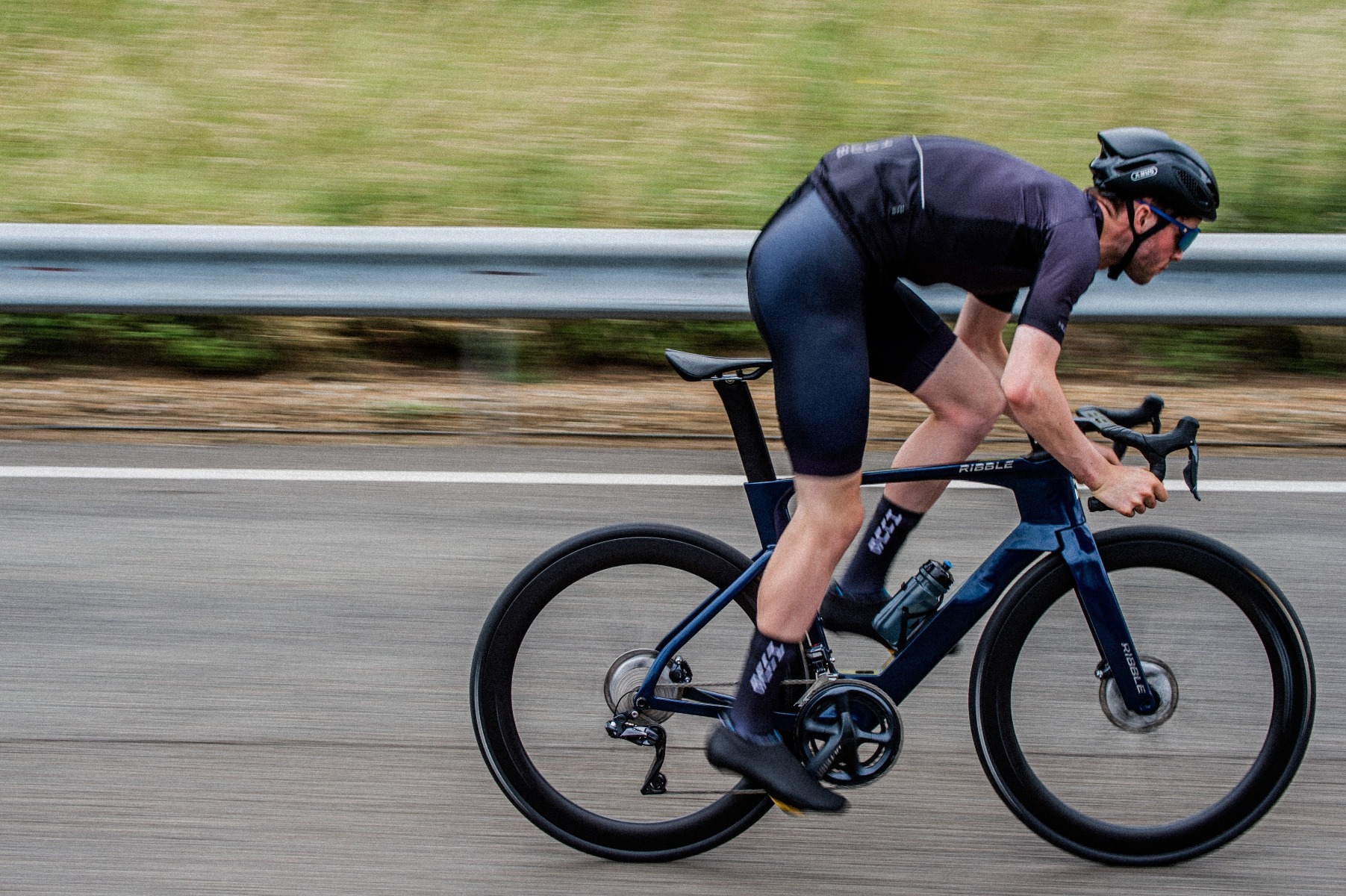
Geometry is one of the biggest differences between a road bike vs gravel bike.
Road bikes are designed to feel fast and responsive. Gravel bikes are designed to feel stable and controlled.
A road bike typically has:
- A lower front end
- A longer reach
- A steeper head angle
- A shorter wheelbase
This creates a more aggressive riding position that improves aerodynamics and sharpens handling.
A gravel bike usually features:
- A taller front end
- A shorter reach
- A slacker head angle
- A longer wheelbase That setup creates a more upright riding position and adds stability on rough terrain.
In simple terms:
- Road bikes feel quicker and sharper
- Gravel bikes feel calmer and more forgiving
Neither approach is wrong. It depends entirely on how and where you ride.
Wheel Size and Tyre Width
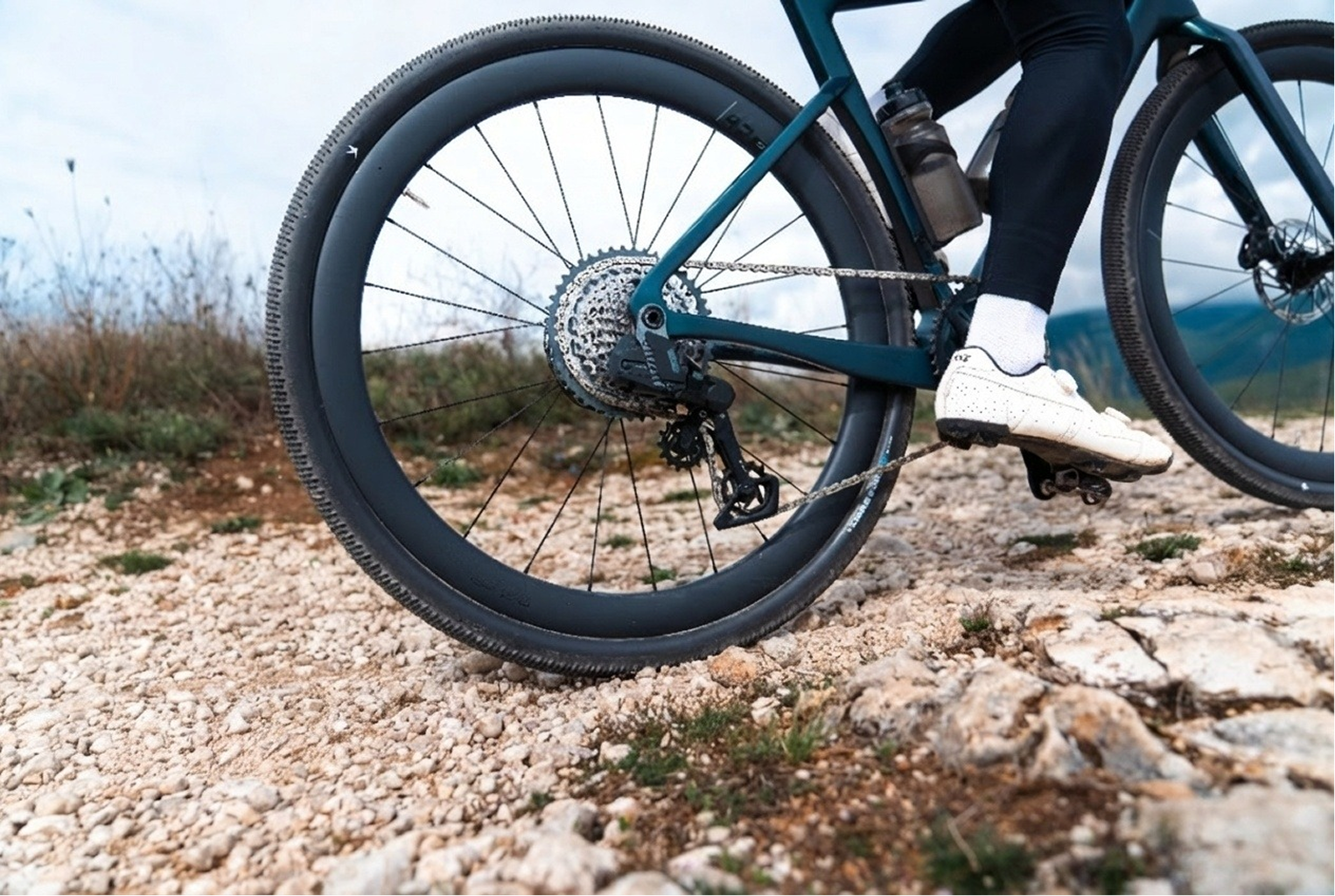
Tyres have a massive impact on ride quality and performance.
Road bikes usually run slick tyres between 25mm and 32mm wide at higher pressures. This helps reduce rolling resistance and maintain speed on smooth tarmac.
Gravel bikes use wider tyres, typically between 35mm and 50mm, often with tread patterns for grip on loose surfaces.
The benefits of wider gravel tyres include:
- Better grip
- Improved comfort
- More confidence on rough terrain
- Greater stability in wet conditions
Narrower road tyres deliver:
- Faster acceleration
- Lower drag
- More direct road feel
- Better efficiency on clean tarmac
The terrain matters most. Smooth roads favour road tyres. Rough roads and mixed terrain favour gravel tyres.
Suspension and Comfort Features
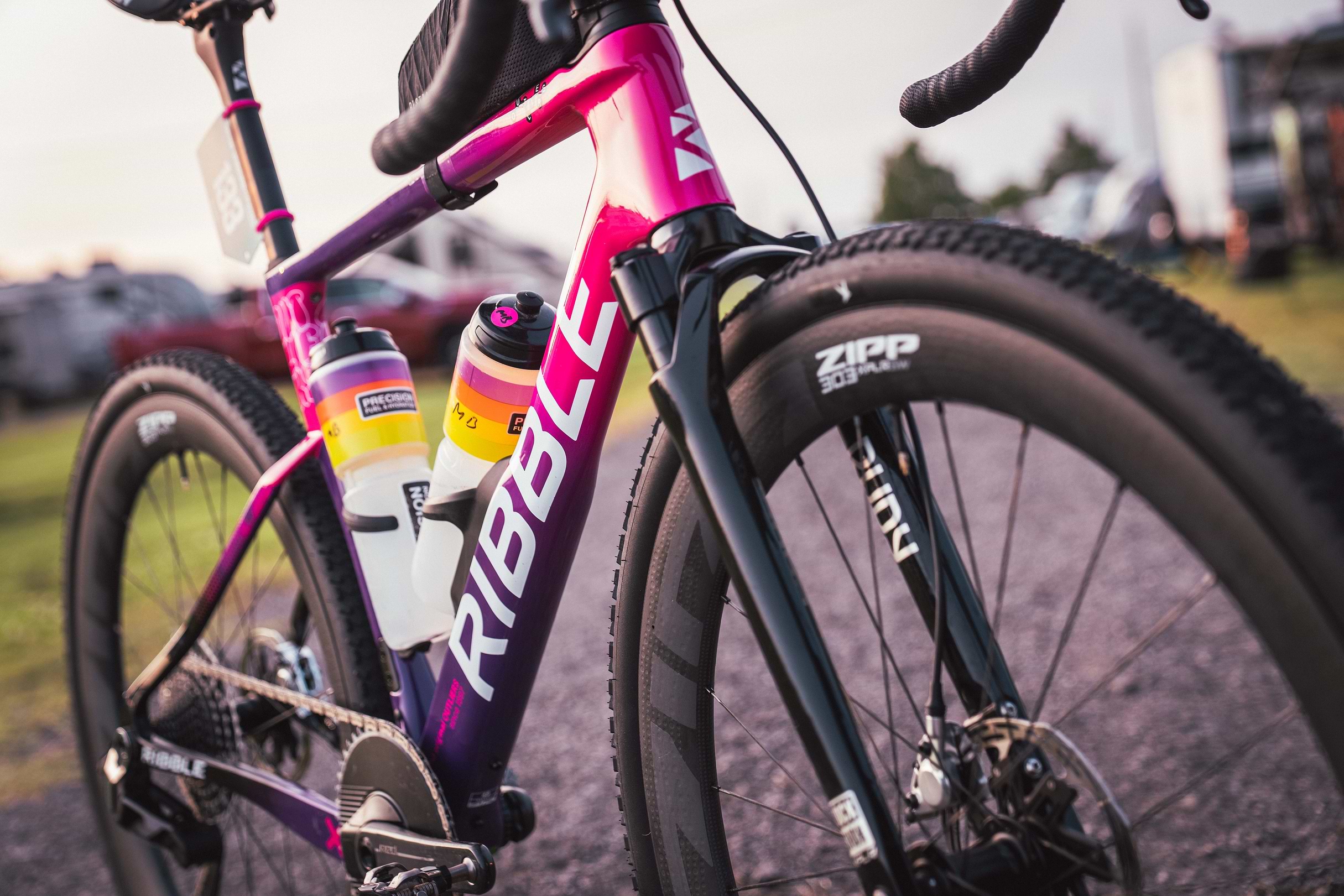
Road bikes typically rely on frame design, advanced carbon layup and tyre choice to deliver comfort. Gravel bikes push this further. Alongside similar frame compliance, they can feature flexible seatposts, suspension forks and geometry designed to smooth out rougher terrain.
The biggest comfort boost often comes from tyre width. Wider tyres run at lower pressures to naturally absorb vibration, which makes a noticeable difference on loose or broken surfaces. For many riders, that extra capability is what sets gravel apart when the route goes beyond tarmac.
Performance Considerations
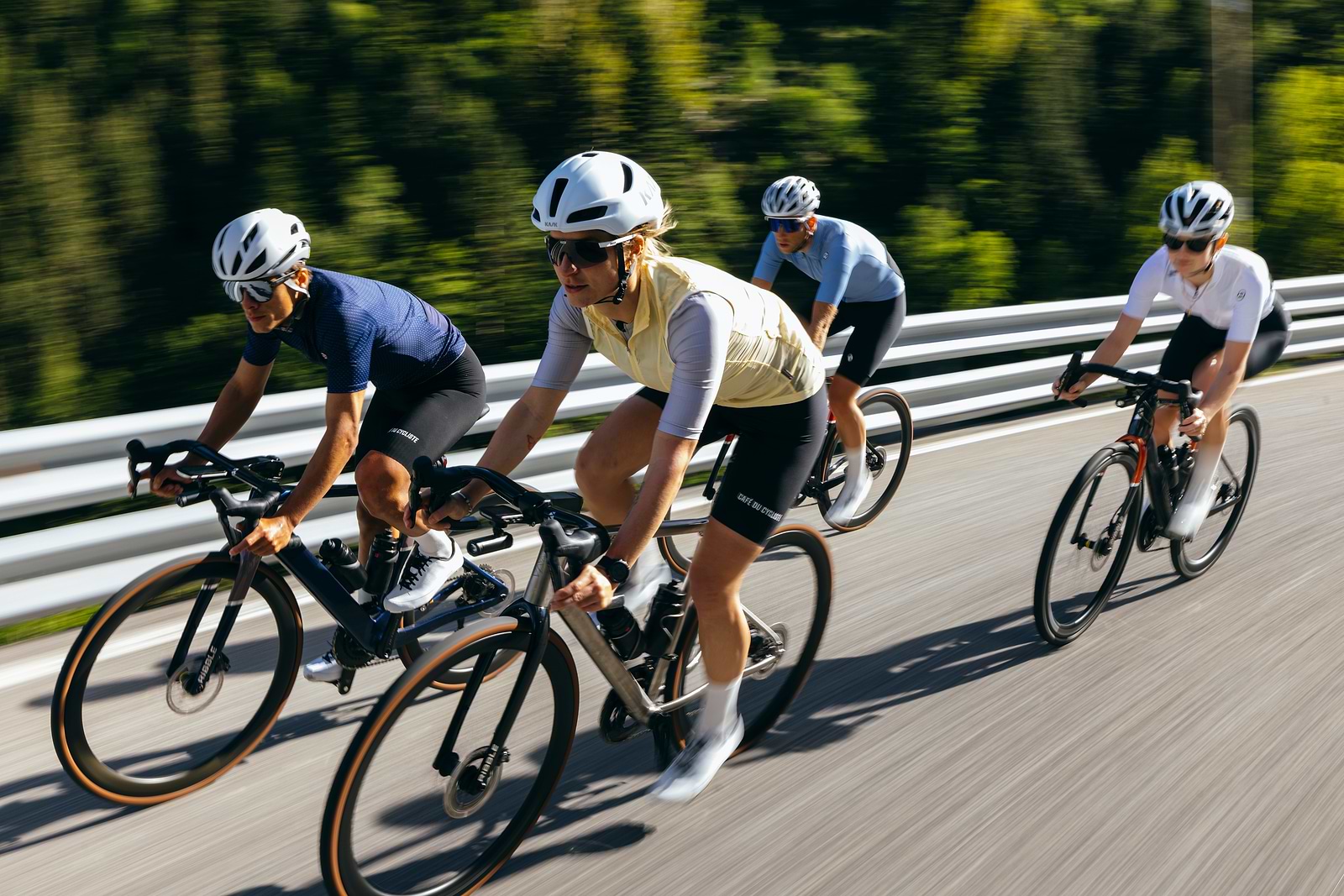
Road Bike Aerodynamics
Aerodynamics matter more than many riders realise.
At higher speeds, wind resistance becomes one of the biggest things holding you back. That’s why road bike aerodynamics are such a major focus in performance cycling.
Road bikes reduce drag through:
- Aggressive riding positions
- Aero frame shapes
- Narrow handlebars
- Deep-section wheels
- Slimmer tyres
Gravel bikes prioritise versatility and comfort instead. Wider tyres, flared handlebars and more upright riding positions naturally create more drag.
If your goal is pure speed on tarmac, road bikes still hold a clear advantage.
Are Gravel Bikes Slower Than Road Bikes?
This is one of the most common questions riders ask.
On smooth roads, yes. A road bike is faster.
Lower weight, aerodynamic efficiency and fast-rolling tyres give road bikes the advantage.
But for an everyday rider, the gap can be smaller than people expect.
Modern gravel bikes can still feel quick on the road and if surfaces become rough, broken or unpredictable, gravel bikes can actually help riders maintain momentum more comfortably.
If you race, chase Strava times or ride fast club runs regularly, road bikes are best.
If you prioritise comfort, versatility and mixed-terrain riding, gravel bikes often deliver a more enjoyable experience overall.
Comfort and Handling
Comfort plays a huge role in long-distance riding.
Road bikes feel fast and precise. Every steering input feels immediate, which many riders love.
Gravel bikes feel more planted and stable, especially on rough descents or loose surfaces. That stability reduces fatigue and builds confidence, particularly for newer riders or anyone spending long hours in the saddle.
For endurance riding, comfort often becomes a performance advantage in itself.
A rider who feels fresher after four hours will usually ride better than one battered by rough roads and an aggressive position.
Bike Accessories
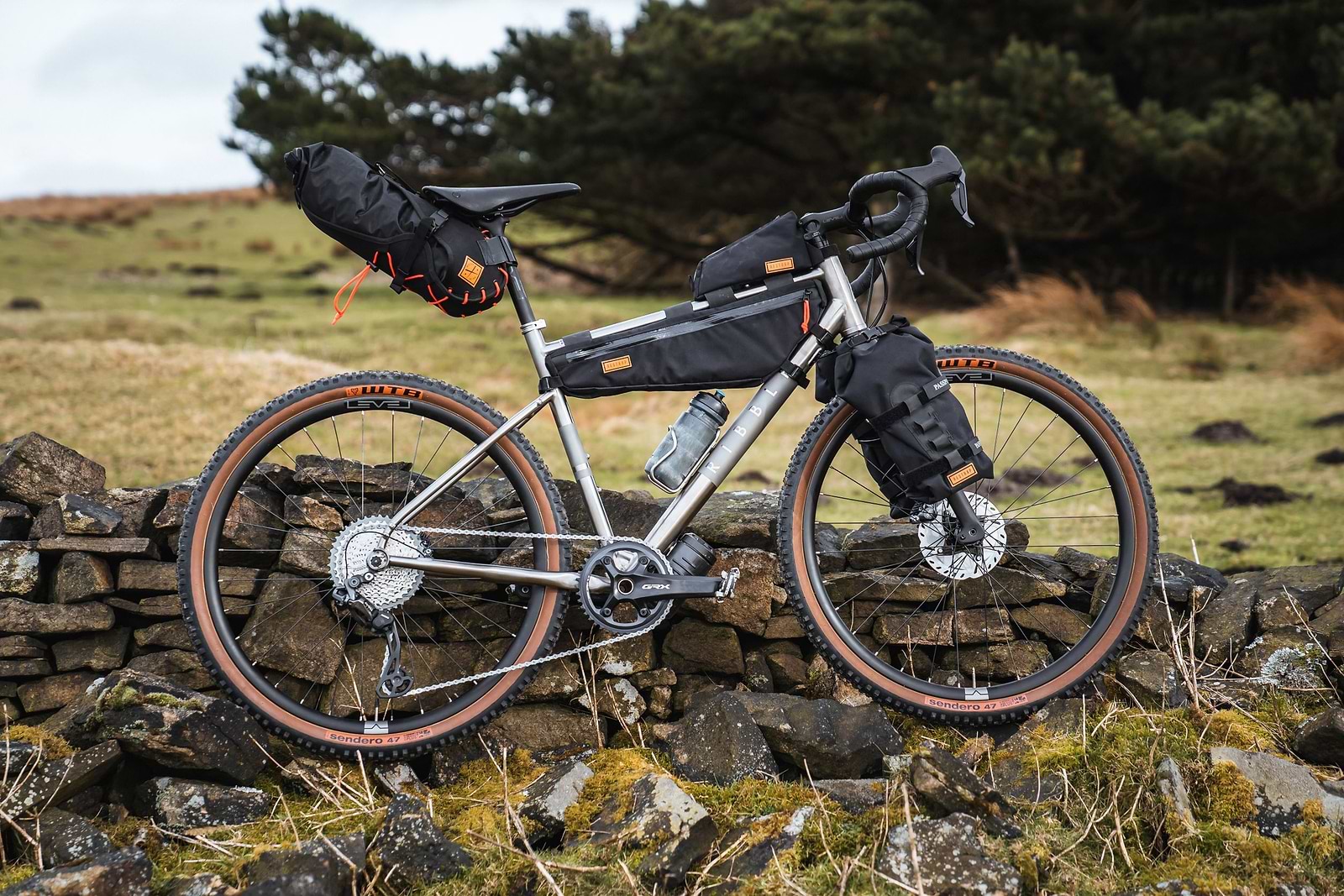
One of the biggest strengths of gravel bikes is how adaptable they are.
Most gravel frames include mounting points for:
- Mudguards
- Pannier racks
- Frame bags
- Top tube bags
- Extra bottle cages
That makes gravel bikes ideal for commuting, bikepacking and long-distance adventures.
Popular gravel bike accessories include:
- Tubeless tyre setups
- Bikepacking bags
- GPS computers
- Powerful lights
- Multi-tools
- Mudguards
- Frame storage solutions
Road bike accessories tend to focus more on performance and speed.
Typical road setups often prioritise:
- Lightweight bottle cages
- Aero lighting
- Deep-section wheels
- Compact saddlebags
- Performance-focused cycling computers
Again, neither approach is better. They simply reflect different riding priorities.
Can You Ride a Gravel Bike on the Road?
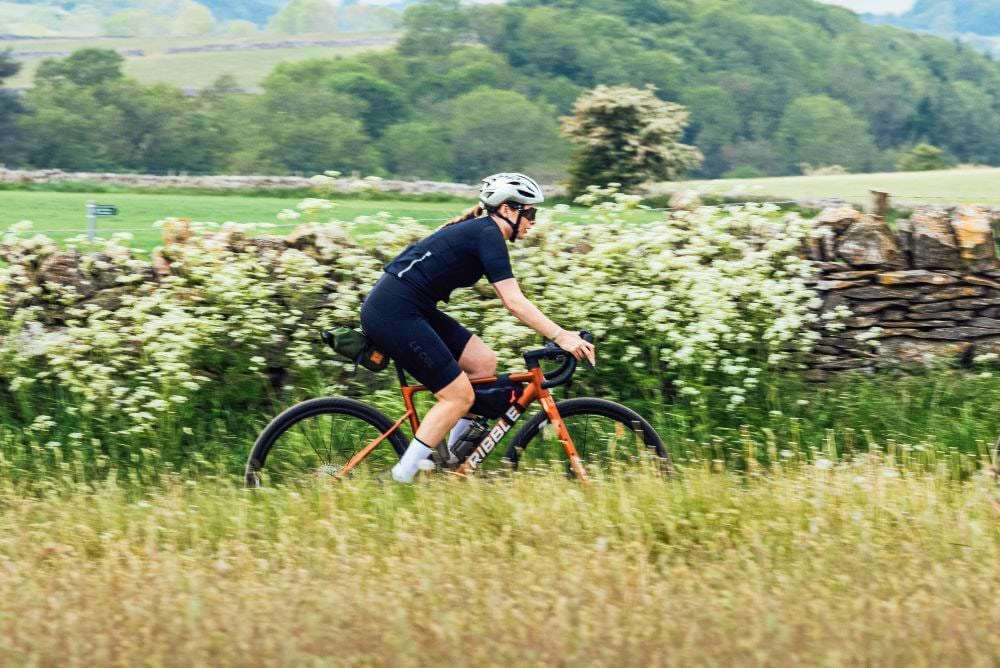
Absolutely.
In fact, many riders use gravel bikes mainly on the road.
Fit narrower and a gravel bike can become a very capable all-road machine.
You’ll still lose some aerodynamic efficiency compared to a dedicated road bike, but you gain comfort, stability and flexibility.
For riders dealing with rough roads, winter conditions or mixed routes, that trade-off is often worth it.
This is exactly why adventure-focused and multi-surface bikes have become so popular.
They sit between traditional road and gravel categories and handle a bit of everything well.
Ideal Use Cases
When to Choose a Gravel Bike
Choose gravel if you:
- Ride mixed terrain regularly
- Want one bike for multiple uses
- Commute year-round
- Enjoy exploring beyond tarmac
- Prioritise comfort and versatility
- Ride rough roads frequently For many UK riders, gravel bikes suit everyday riding conditions surprisingly well.
When to Choose a Road Bike
Choose road if you:
- Mainly ride smooth tarmac
- Love fast group rides
- Race competitively
- Prioritise speed and efficiency
- Want sharper handling
- Care about aerodynamic performance
Road bikes still deliver a uniquely fast and responsive ride feel that gravel bikes struggle to fully replicate.
Final Thoughts
The gravel vs road bike debate doesn’t really have a universal winner.
Gravel bikes prioritise freedom, versatility and comfort. Road bikes focus on speed, precision and efficiency.
The important thing is choosing the bike that suits the riding you actually do, not the riding you imagine yourself doing once a year in perfect weather.
Because the best bike is usually the one that makes you want to ride more often.
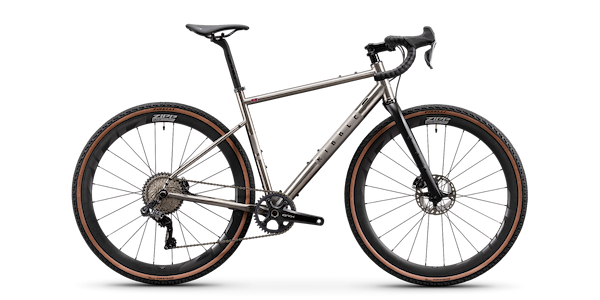
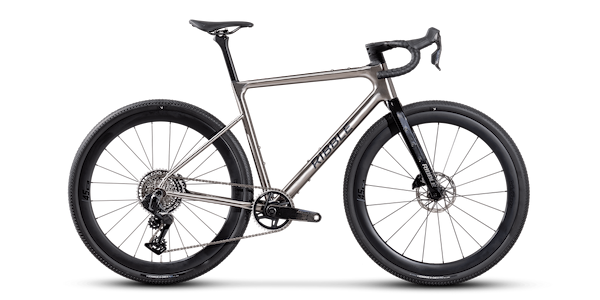
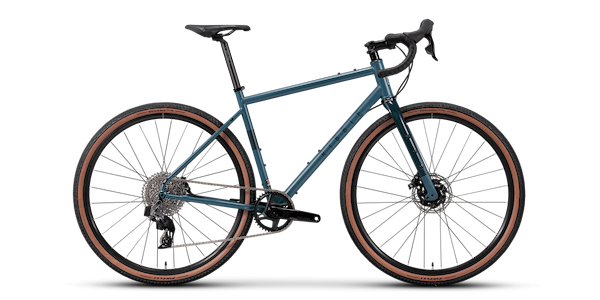
Explore gravel & road bikes

Autumn Cycling Tips
5 Autumn Cycling Tips Every Rider Should Know. Nights are creeping in. Roads are slicker. The kit that saw you through summer might not cut it now. But autumn doesn’t have to mean fewer miles. With a few smart changes, you can keep the pedals turning right through to winter.
Gravel Bike vs Road Bike: How to Choose
Gravel bike or road bike? One's built for speed, the other for versatility, but the right choice comes down to how and where you ride. Here's how to decide.
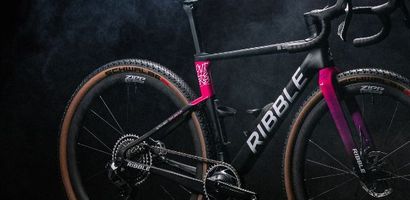
Built for the Margins: Sophie Wright’s Ultra-Grit Special Edition
At the sharp end of racing, the difference is made in the fine margins. Sophie Wright’s ULTRA-GRIT Special Edition is built for those margins. A one-off race bike built by our development team to be lighter, more focused and stripped back to what matters.
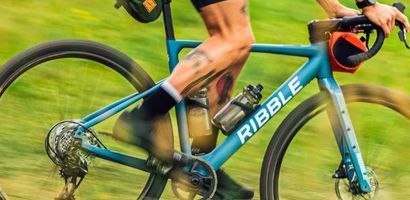
Best Gravel Bikes 2026
What actually makes ‘the best’ gravel bike in 2026? A clear guide to choosing the best bike for how you actually ride.
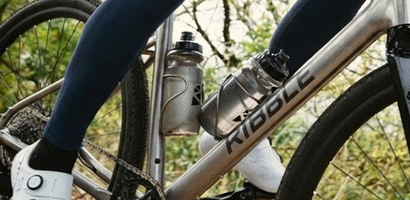
Tyre Choice and Pressures for UK Gravel
Tyres can make or break your gravel ride. This blog cuts through the guesswork on width, tread and pressure, showing you what actually works for UK conditions.
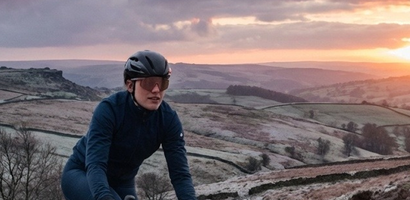
Why Gravel Riding Works In February
February gravel isn’t about hero rides. It’s about quiet trails, mixed surfaces and riding for the sake of it. This blog dives into why Ribble staff and the Outliers keep choosing gravel when winter drags on, from traffic-free routes to bikes built to handle proper UK conditions.
How To Choose Your Gravel Bike
The sheer versatility and ride-anywhere capabilities of Ribble's Gravel bikes make them the perfect vehicle for off-grid adventures. Here, we explore the range and explain the key differences to help you choose yours.