Our fastest bikes, built to win
Why Your Race Bike Might Be Making You Slower
Why Your Race Bike Might Be Making You Slower
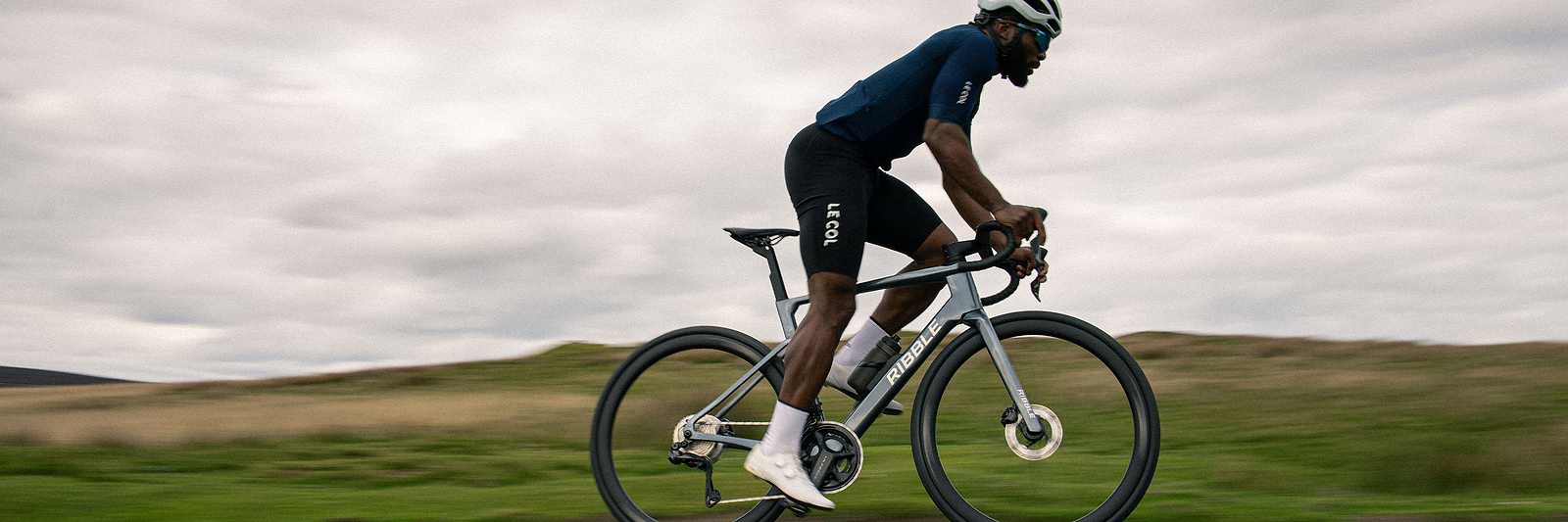
There is a belief in road cycling that lower automatically means faster. Longer, lower and more aggressive has become the visual language of performance cycling, and if a bike looks like something ridden in the WorldTour, most riders assume it must also be quicker.
To a point, that is true. But most riders are not racing Milan-San Remo. They are riding three, four or five hours on rough roads, into headwinds, carrying fatigue, fitting training around work and trying to hold positions their body never really wanted in the first place.
That changes things, because the fastest position is not necessarily the most aggressive one. It is the position you can still hold when the ride starts getting hard.
The Myth: Aggressive Equals Fast
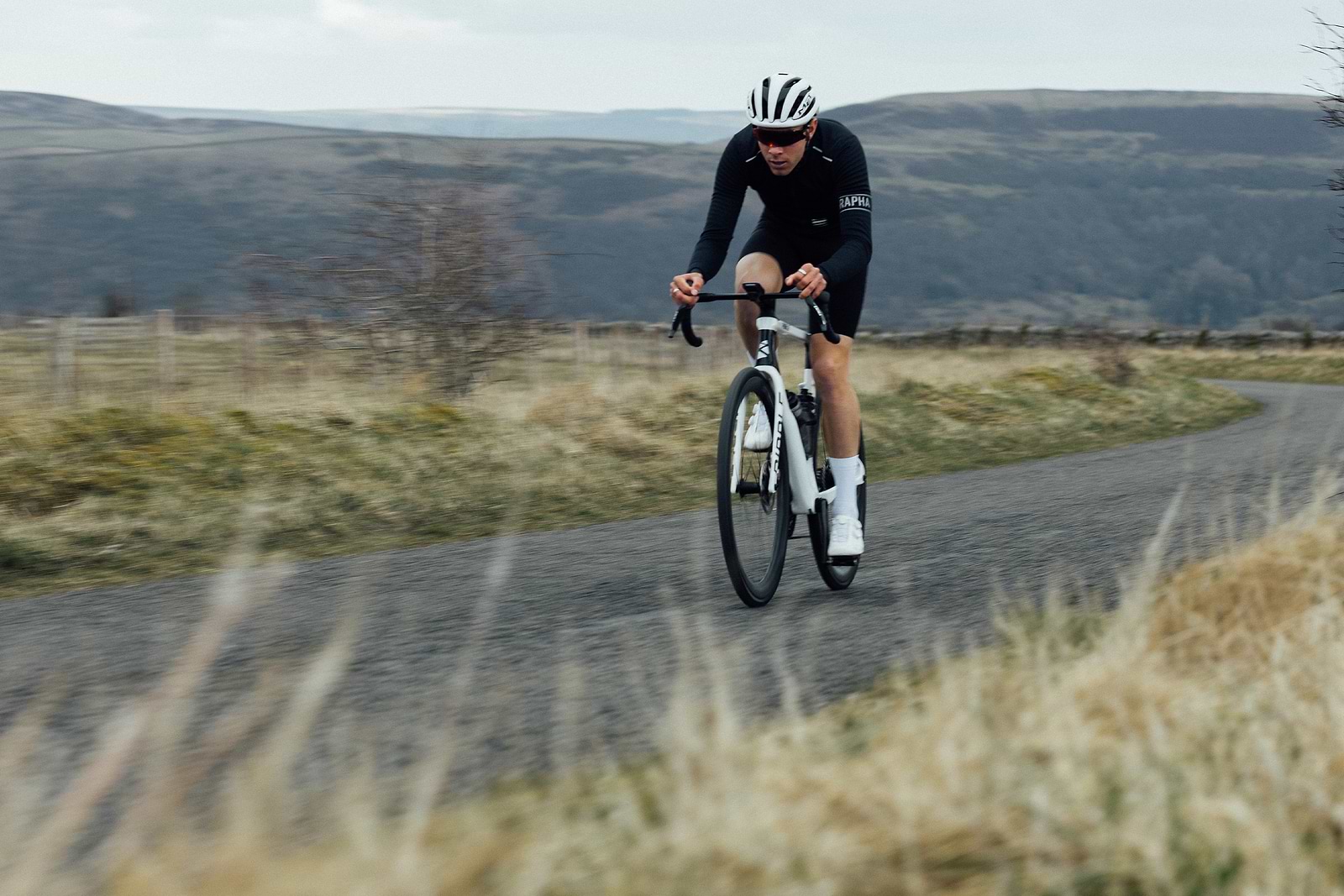
Scroll through social media, walk into a bike shop or look at the latest race bike launches and the message is usually the same.
Lower front end. Longer reach. More aggressive geometry.
The assumption is simple. If pro riders look like that, you should too.
But most riders have copied the look of performance without asking whether it actually works for them.
WorldTour riders spend years building flexibility, mobility and strength around holding extreme positions. They are supported by coaches, physios and bike fitters. Riding the bike is part of the job.
Most riders are fitting training around meetings, family life and whatever weather Britain decides to throw at them that week.
That is not a criticism. It is just reality.
And reality matters because the position that works for a rider doing 25-hour training weeks is probably not the position that works best for someone trying to ride hard for four hours on a Sunday morning.
The myth in road cycling is that more aggressive equals faster. The reality is that most riders cannot sustain extreme positions, and fatigue is the enemy of speed.
What Actually Happens Over Distance
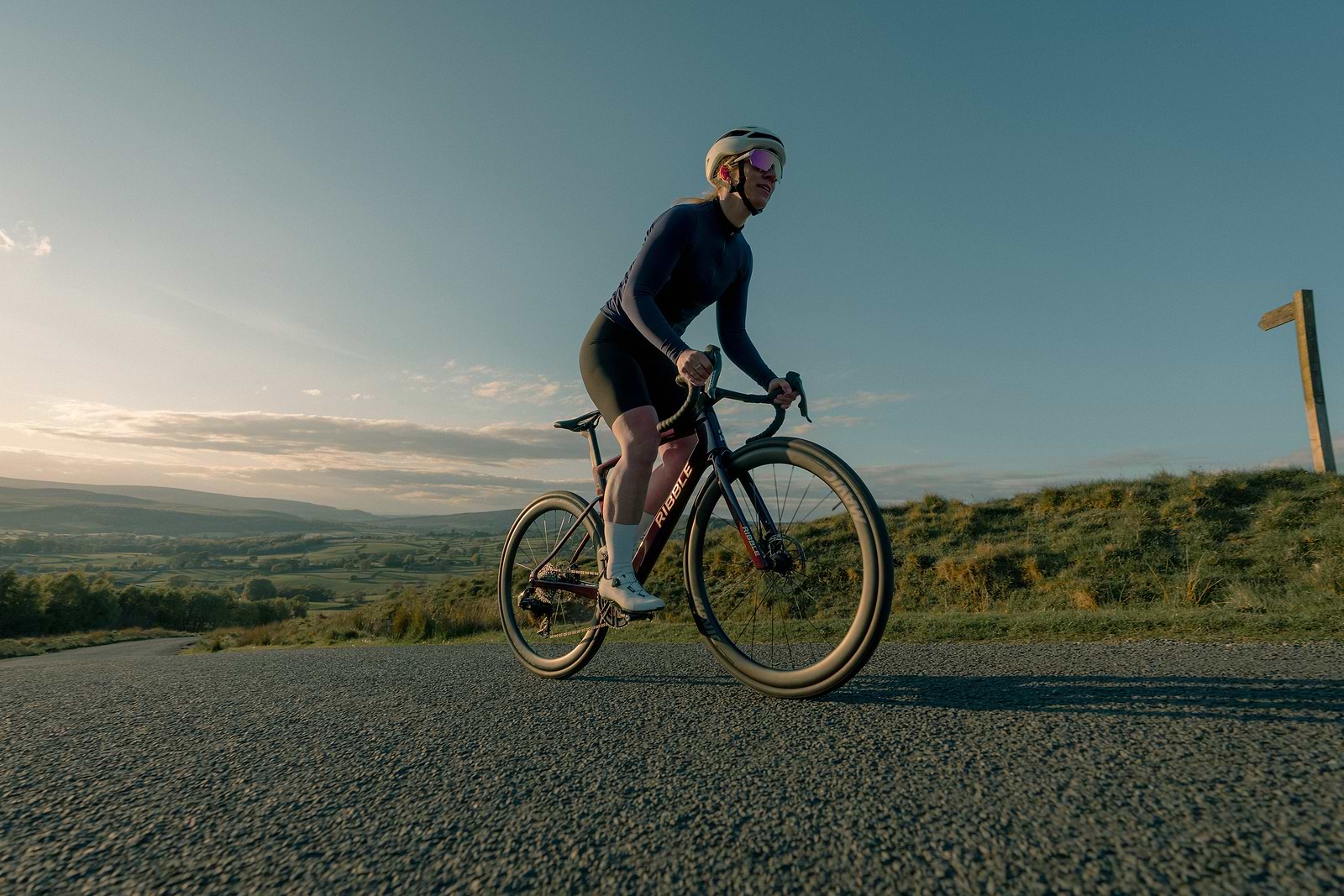
Here is what usually happens. The first hour feels great. Your position feels fast, your legs are fresh and everything feels sharp. But as fatigue starts building, things begin to change.
Your lower back tightens, your neck starts carrying more load and your hip flexors stiffen. The muscles stabilising your position begin tiring before the muscles actually producing power, and once that starts happening, the whole system begins falling apart.
You sit up more often, shift around trying to get comfortable and gradually stop holding the aero position the bike was supposedly designed around in the first place. The setup that looked quick at the start is now costing you energy.
That is the bit most riders miss. A position that only works for the first hour is not actually fast. What matters is the average speed you can sustain across the entire ride, not how aggressive you looked rolling out of the café.
Professional riders understand this better than anyone, which is why even at the highest level, bike fit is obsessively personal. Riders are not chasing the lowest possible position. They are chasing the fastest sustainable one.
Fast is only fast if you can sustain it.
Sustainable Performance vs Extreme Geometry
Two numbers shape how a bike fits and feels more than anything else: stack and reach.
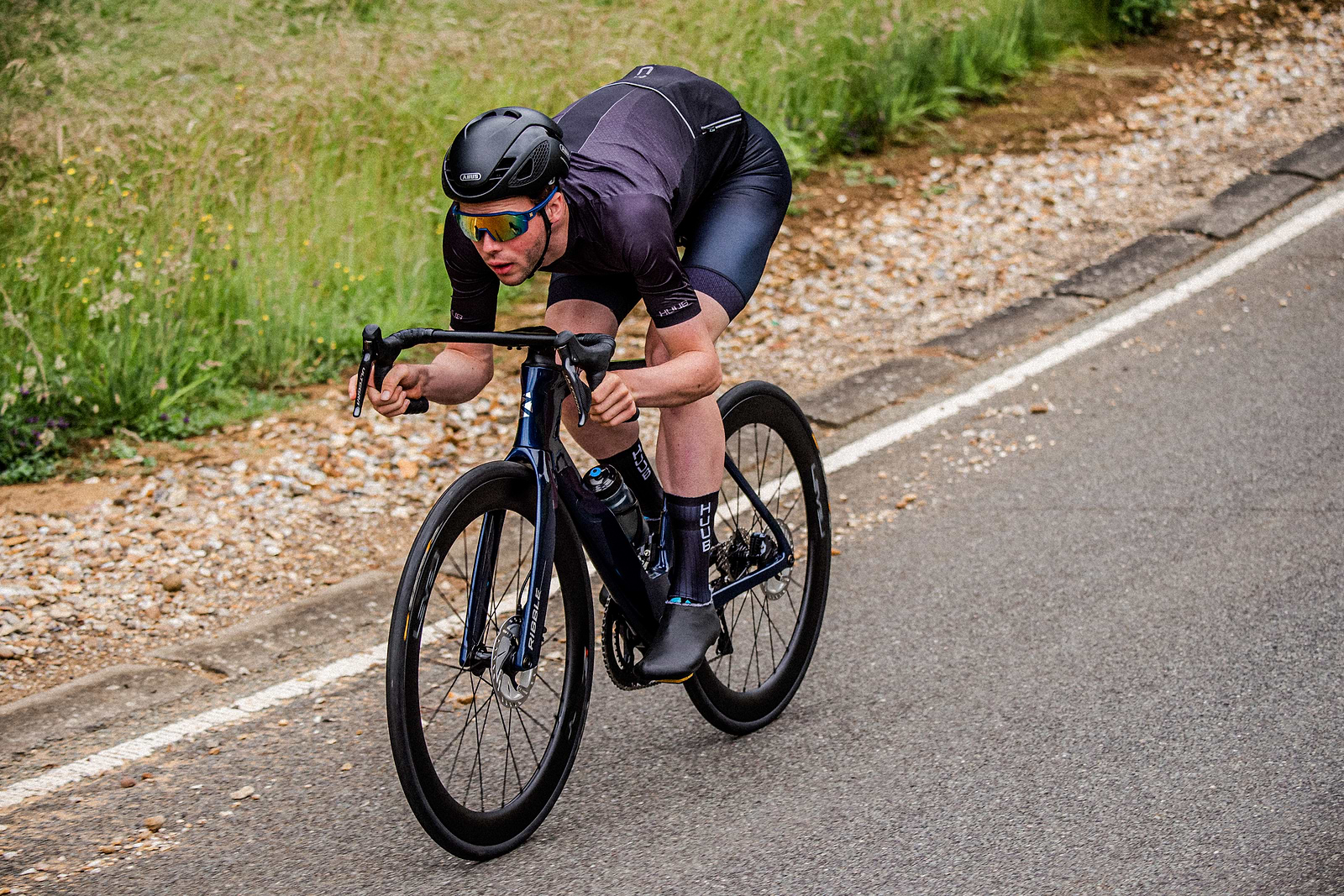
Reach determines how stretched out you are, while stack determines how low you sit at the front of the bike. A typical race bike pushes both in one direction, combining a longer reach with a lower stack to create a position that is undeniably aerodynamic, but also physically demanding.
Your hip angle closes, your lower back works harder and your neck carries more strain just to keep your eyes on the road. You can absolutely go fast like that, but the real question is how long you can realistically stay there.
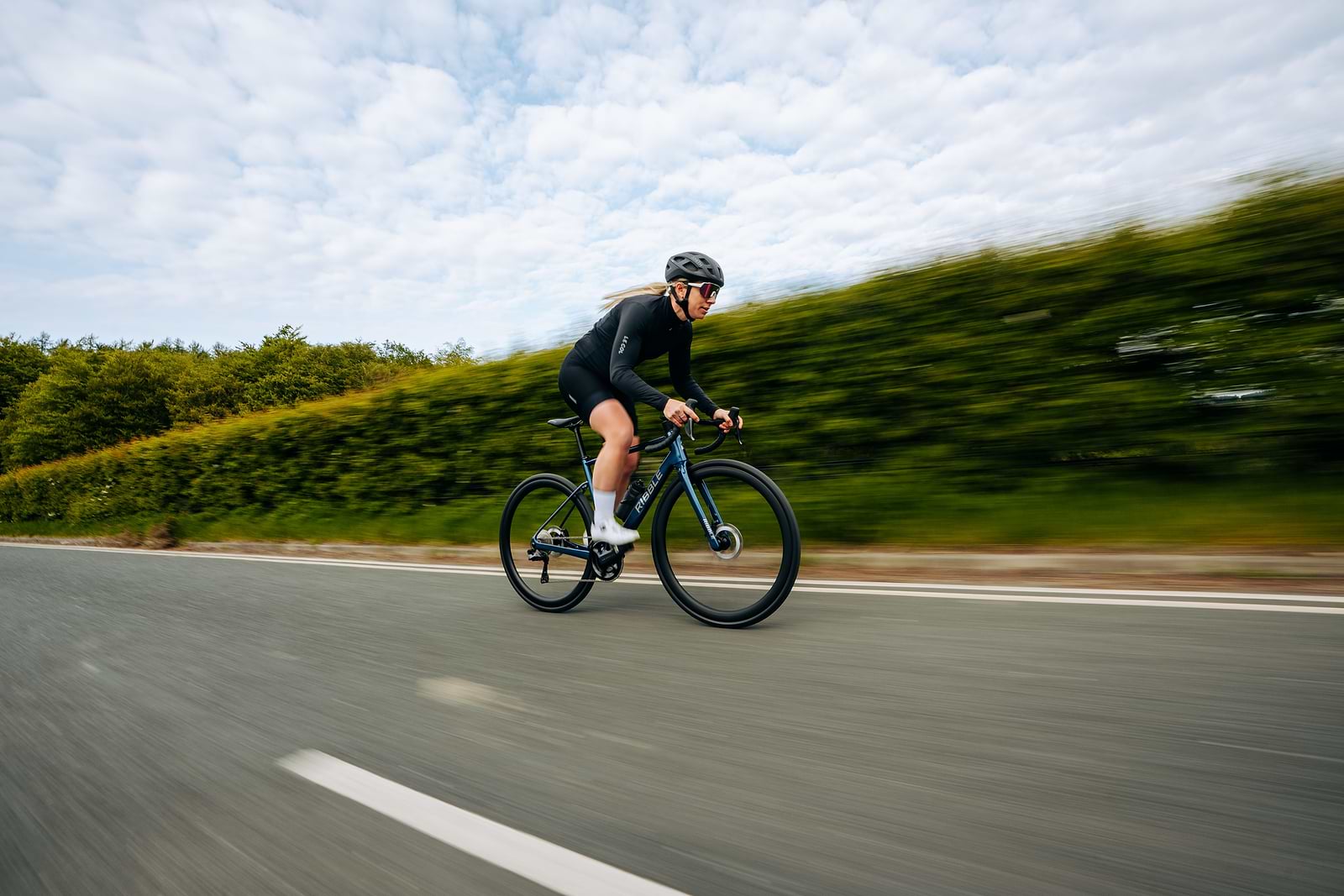
A slightly higher stack and shorter reach changes the picture completely. Your hip angle opens up, your core works with you instead of against you and you can stay stable without constantly fighting the bike underneath you.
You are still low, still efficient and still capable of riding fast. You are simply not wasting energy trying to hold an extreme position that your body is gradually resisting.
That is not a comfort compromise. It is performance optimisation, because the fastest position is the one you can still hold four hours into a ride.
Signs Your Bike Might Be Working Against You
Sometimes the signs are obvious.
Sometimes you just assume feeling wrecked is part of cycling.
A few things worth paying attention to:
- Your back and neck hurt more than your legs after long rides
- Your power fades badly in the final hour
- You constantly sit up on climbs despite still having the legs
- Descending feels tense instead of controlled
- You are always adjusting your position trying to get comfortable
- You have ridden a shorter or slightly taller bike and unexpectedly felt stronger on it
If any of those sound familiar, there is a good chance the limiting factor is not your fitness. It's the position your bike is putting you in. For more information take a look at our Bike Geometry Guide.
What the Right Position Actually Feels Like
Most riders remember that one ride. The one where everything just clicked, you stopped thinking about your position, stopped shifting around every ten minutes and stopped counting down the miles until you could finally sit up and stretch.
The bike simply disappeared underneath you and you just rode.
That is what an optimised position feels like. Not upright, soft or overly relaxed, but fast, stable and efficient in a way that lets your body keep working properly deep into a ride.
Your power still feels consistent after several hours because your body is working with the bike instead of fighting against it. Your hip flexors still have room to move, your core is supporting you properly and the effort stays focused on producing speed rather than simply holding position.
Sore legs after a big ride is normal. A ruined lower back and tight neck every weekend probably is not.
ULTRA-ROAD: Built Around This Idea
ULTRA-ROAD was designed around this exact principle.
It takes everything we know from the ULTRA range, advanced carbon construction, aero tube shaping, dropped-stay architecture and race-level performance and combines it with geometry designed around how most riders actually perform best over long distances.
This is not an endurance bike in the traditional sense, and it is not a comfort-focused compromise either. It's designed to sit outside the performance category. ULTRA-ROAD is a proper performance road bike built to help riders hold power deeper into a ride, stay efficient for longer and finish hard instead of simply hanging on.
The higher stack and shorter reach are deliberate. Not because they're easier, but because for most riders, over most rides, they are faster.
ULTRA-ROAD is the ULTRA bike most riders will genuinely perform best on in the real world, over real distances.
Explore ULTRA-ROAD spec it, configure it and build yours today.
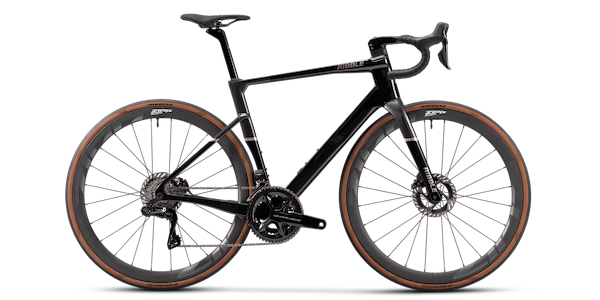
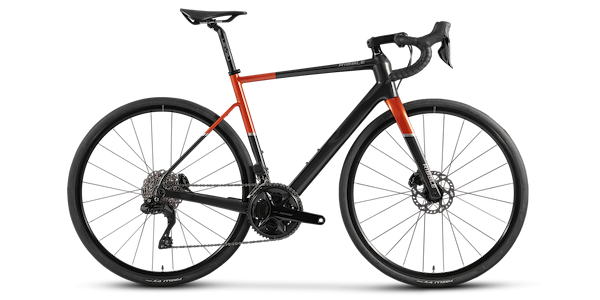
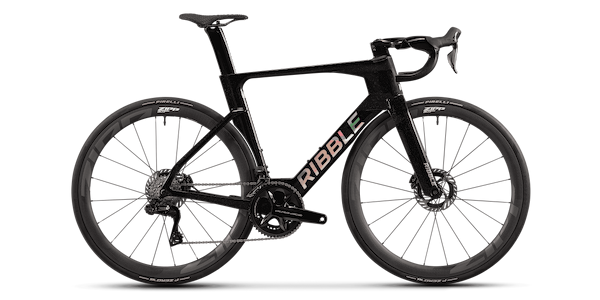
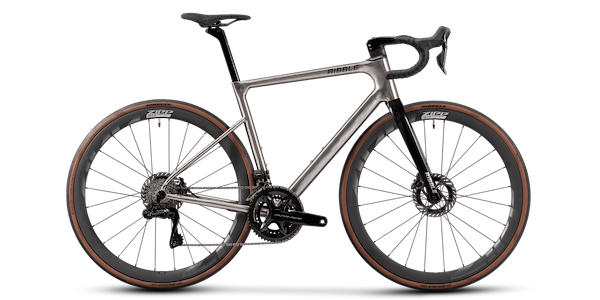
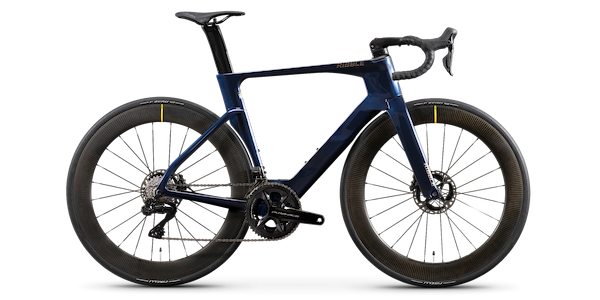
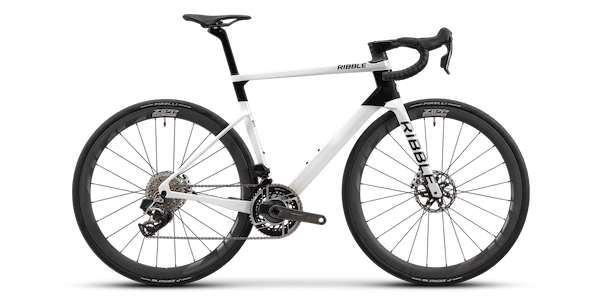
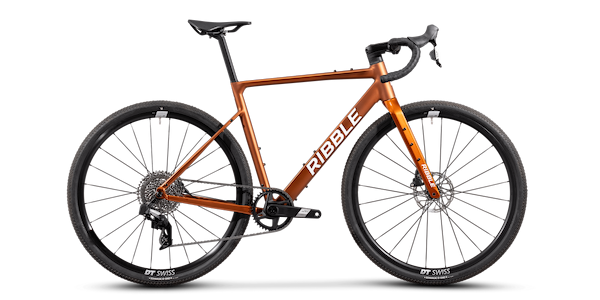
ULTRA-ROAD vs ULTRA-RACE: Which One Is Right For You?
Two bikes, one range, two different kinds of fast. We take a look at the ULTRA-ROAD and ULTRA-RACE to help you decide which is the right bike for you.
Why Your Race Bike Might Be Making You Slower
A longer, lower, more aggressive position means faster right? Not always. We take a look at the reality of performance that's sustainable.
How We Built ULTRA-ROAD: Behind The Design
We take a look at the design of the ULTRA-ROAD. Not a comfort bike, or a softer alternative to a race bike, but a performance road bike designed around the way most riders actually ride.
Everything You Need to Know About the ALLROAD CARBON
The ALLROAD CARBON takes everything riders already loved about the ALLROAD SL and refines it for the way modern road riding actually looks. Lighter, smoother and more capable across rough roads, long rides and changing conditions, it is built to keep going when the tarmac stops being perfect.
Gravel Bike vs Road Bike: How to Choose
Gravel bike or road bike? One's built for speed, the other for versatility, but the right choice comes down to how and where you ride. Here's how to decide.
Best Road Bikes for Beginners: A Complete Guide to Getting Started
New to road cycling? Learn what to look for in a first road bike, which types suit beginners and our rider-led picks for UK roads. Clear, no-nonsense advice.