Our fastest bikes, built to win
Five UK climbs you've probably never heard of… but once ridden will never forget!
Simon Warren, author of the popular 100 Climbs series of books, reveals five of the toughest but lesser-known UK climbs. Let his expert selection inspire you to climb higher and further this summer. Many British cyclists will have ticked off the mighty Hardknott Pass, bagged the evil Rosedale Chimney, or maybe the savage Asterton Bank, and be pretty proud of your achievements on these vicious climbs. Of course, these are all worthy scalps, but, what if I told you they were just pimples when compared to some lesser known, yet brutally spectacular roads lying out there waiting to torture your legs. I’m not talking about the Alps, or the Pyrenees, no, I mean right here in Britain.
Monster climbs
Hidden from view, tucked away behind locked gates, marked as dead ends, or even shrouded in cloud there lie Monsters! Writhing upwards through gnarled woods and rugged rocks, switching back and forth across seemingly impossible gradients they take you to altitudes you may have thought impossible on this geologically modest island. These five roads will deliver you to places so wild and reveal views so spectacular that you’ll scarcely believe they exist, but boy you’ll have to work hard to reach their summits. These climbs are not for the faint hearted, nor for the ill prepared or the unready, they will test even the strongest rider to the limit so fit a compact at the front and the biggest sprocket you can find at the back and get ready for some British climbing ‘shock and awe’.
1. Great Dun Fell, Cumbria
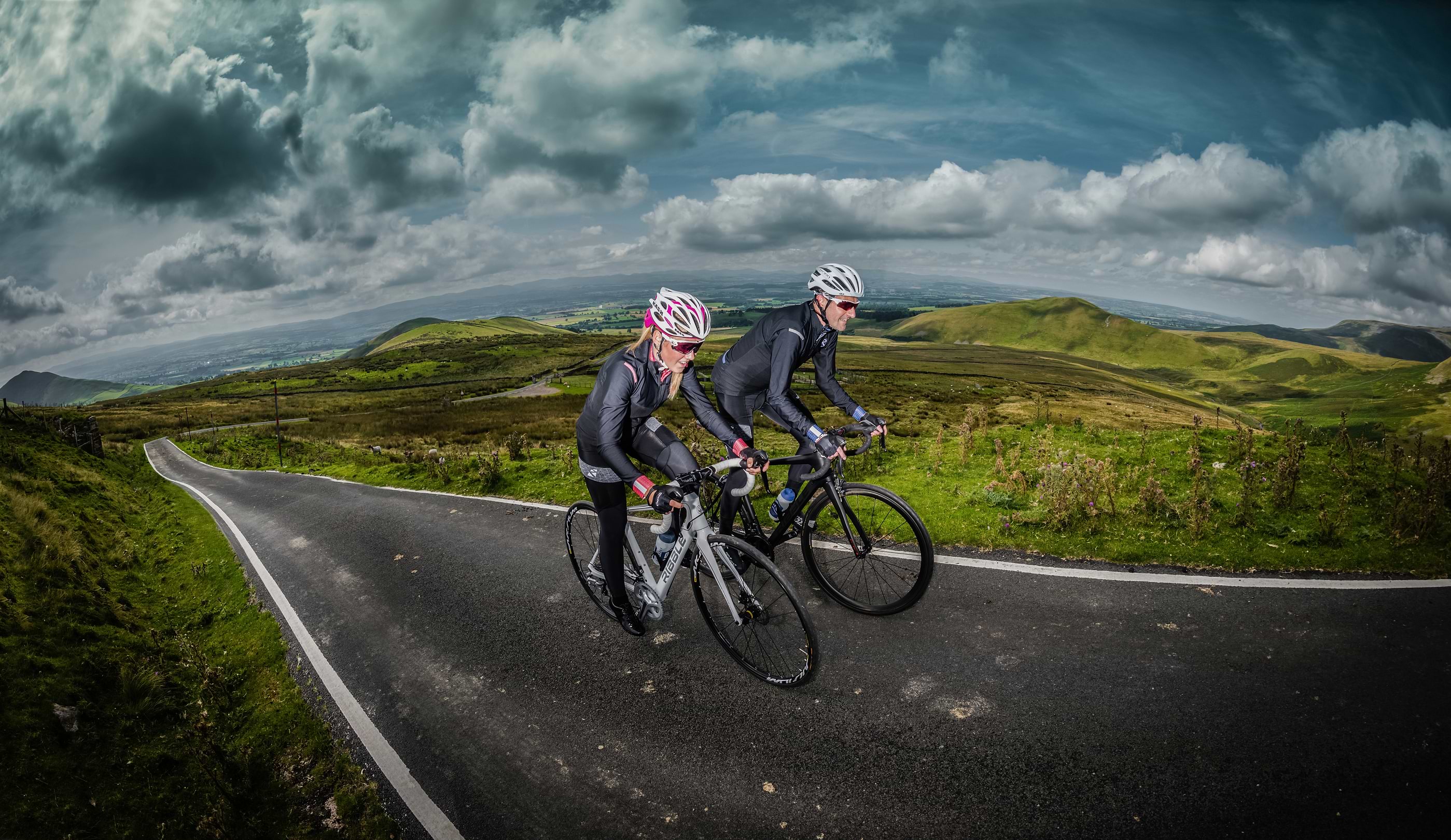
Length: 7,450m. Height gain: 632m. Average Gradient: 9%. Maximum Gradient: 25%. If you’ve heard of any of these roads in this top five, it’s likely to be this one, the imperious Great Dun Fell, Britain’s answer to Mont Ventoux. The 7.5-kilometre journey up its sinuous tarmac to the ‘top of the world’ is without doubt one of the greatest experiences you can have on two wheels in England. Be warned though, like all big climbs, conditions at the top are very rarely the same as they are at the base and clear skies are somewhat of a rarity at this altitude in the Pennines, so always pack a jacket. As you leave the tiny east Cumbrian village of Knock glance up and high on the skyline you’ll see, if the weather is kind, the glowing white sphere of the radar station, this is your goal, your target. As you pick your way along the grippy sliver of a road that divides the rugged farmland annoyingly there are two gates to negotiate although they are often open. There are a number of plateaus along the way and although they offer some respite they also accentuate the severity of the climbing that follows them. With multiple sections over 20% by the time you reach the finale your legs will be screaming, and what a finale it is. At the point where public vehicles are no longer allowed the surface changes to silky smooth as it hits a 25% slope nestled between high grassy banks. Push up through these to reach an exposed plateau leading to the giant ‘golf ball’ in the sky surrounded by simply epic views of the Pennine Fells. Great Dun Fell features in Simon Warren’s Cycling Climbs of North-west England. https://www.strava.com/segments/5167327 Ribble ride Great Dun Fell: On Simon's advice we tackled this epic climb on a sunny day and were surprised to find it still chilly and windy at the summit so either don't hang around too long or make sure you have the right clothing for the top. As shown in our main image Konrad rode the Ribble R872 with mid-compact gearing (36-52) whilst Libby rode the women-specific Sportiva Carbon Disc. We were climbing for well over half an hour which is unusual in the UK. The Strava KOM is a shade over 24 minutes while the QOM record is around 30 minutes. Why not incorporate Great Dun Fell into a ride in the Eastern Lake District but be prepared for a serious climb. Main image: Steve Fleming/Ribble.
2. Abdon Burf, Shropshire
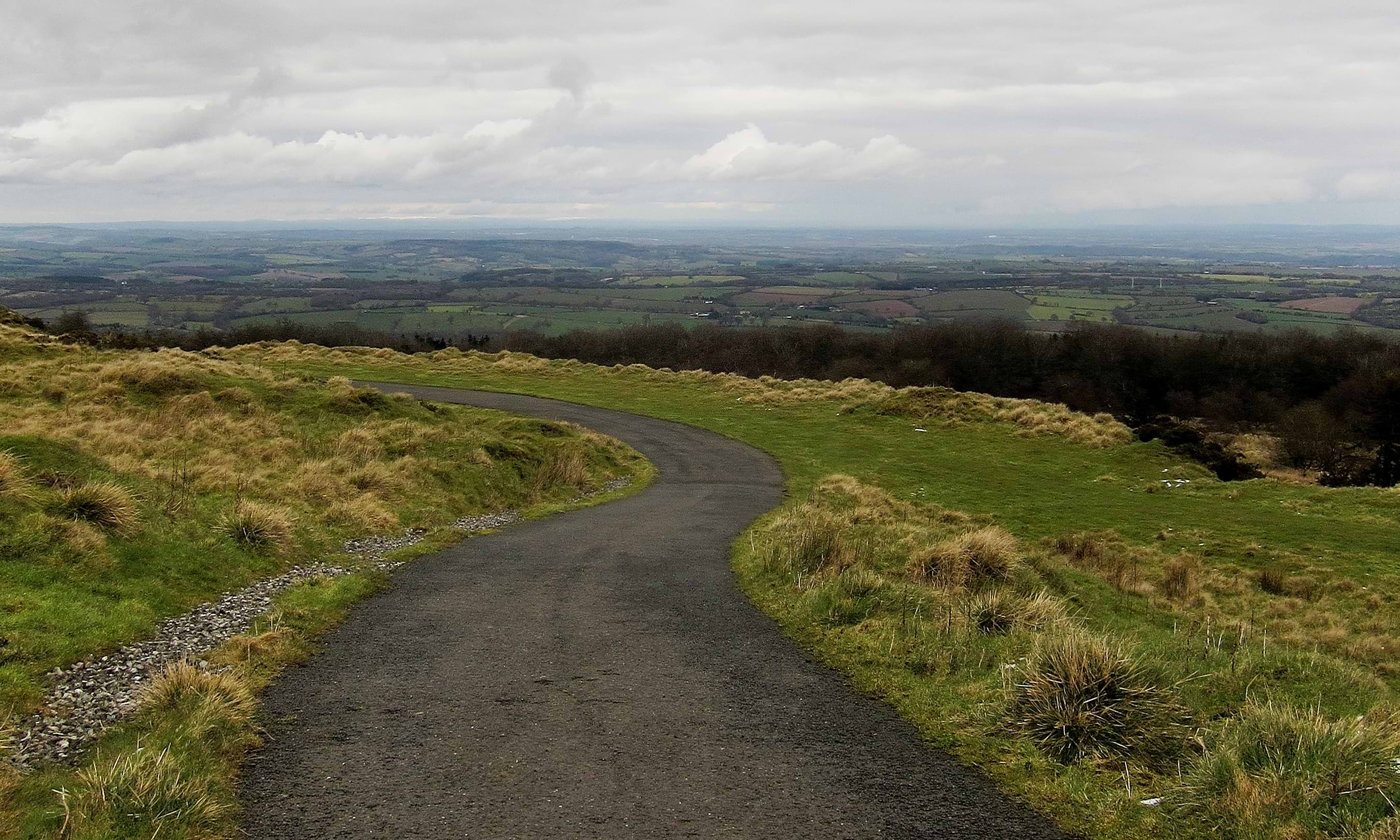
Length: 1,850m. Height gain: 208m. Average Gradient: 11%. Maximum Gradient: 25%. Be warned, arrive at the base of this road on a heavy bike with a standard 39/27 gearing and you will suffer, you will suffer like never before. I was gob struck when I saw what faced me once I’d straddled the gate at the base, it is simply ridiculous. In front of me lay an arrow straight line of 20-25% slope, no respite, no deviation just a direct line of pain, and it beat me. I put my foot down not once, not twice, but three times. Unable to continue my forward motion I was crestfallen, no climb can get the better of me, it just can’t, I was decidedly dejected. I then realised that if it had hurt me this much it would also hurt everyone else too, so cheered myself up with the thought of telling the world about it so others could share my pain. As it’s not open to traffic you will have the road to yourself but the downside of this is that it’s covered in a film of debris and slippery leaves, which if wet, just amplifies your struggle for traction. Beat it though, crack the initial 800 metres of torture and you arrive at the most glorious plateau of hillocks sat high above the rolling Shropshire countryside. Home to some of the best views in England this lost world of pristine grassland and abandoned buildings is just magical. Once you’ve climbed your way up to the communication towers, dismount, then continue the short distance on foot to the small stone marker from where you’ll be presented with jaw dropping 360-degree views. Abdon Burf features in Cycling Climbs of the Midlands. https://www.strava.com/segments/1032795
3. Lowther Hill (plus Mennock Pass), Scotland
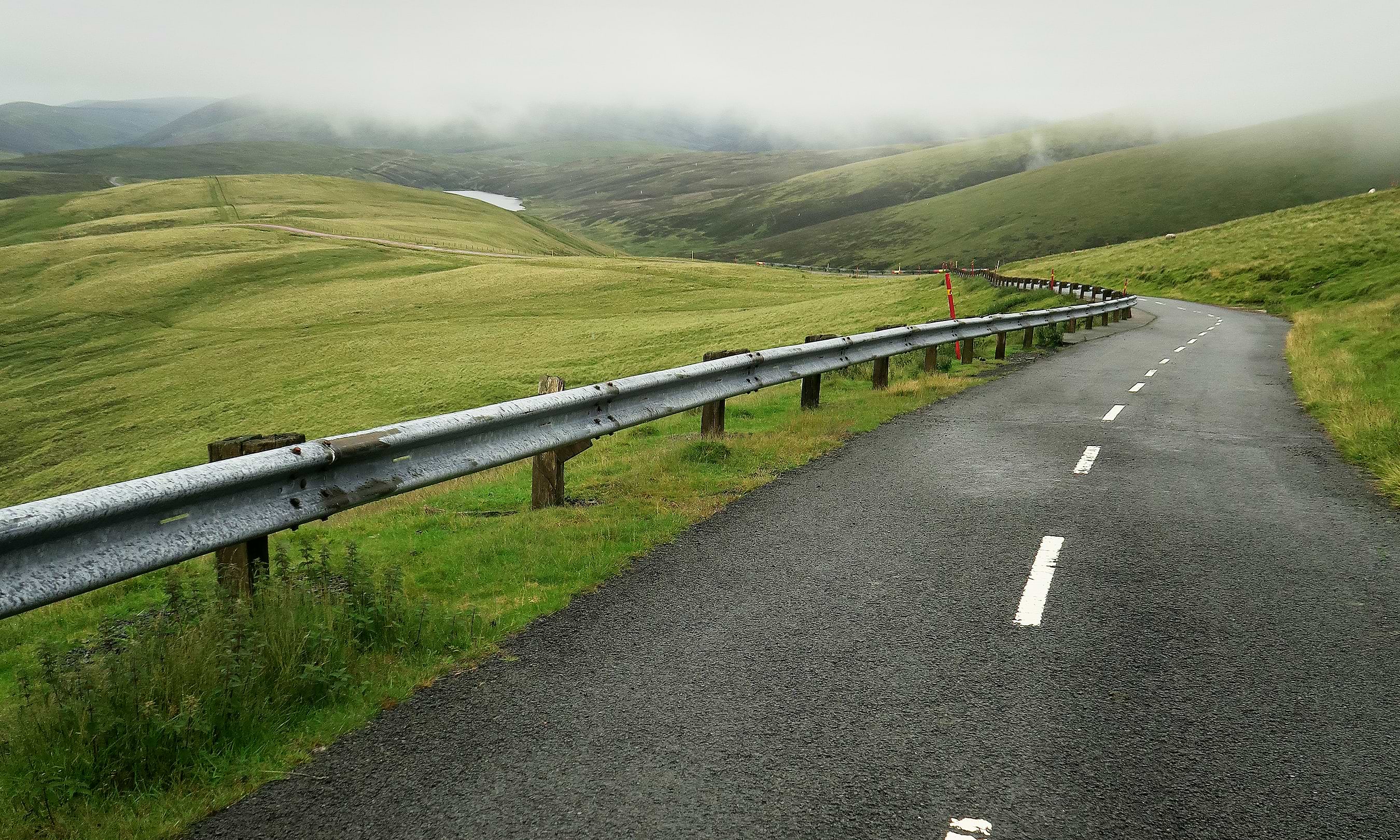
Length: 15,200m. Height gain: 611m. Average Gradient: 4%. Maximum Gradient: 15%. If Great Dun Fell is England’s Mont Ventoux, then Lowther Hill is Scotland’s Great Dun Fell, although not as steep as its English counterpart it’s every bit as spectacular. If you combine this climb with the ascent of the Mennock Pass, from base to summit you get close to 15km of climbing. Yes, 15km, that’s longer than Alpe d’Huez. “Surely not, not in Britain” you cry! The first 11 kilometres out of Mennock rising to the village of Wanlockhead are relatively mild, but these steady, beautiful slopes are just the warm up, the starter for the main course to follow. It’s when you leave the B797 that the real fun begins taking a right turn into splendid isolation on a silky smooth road to the sky. Following negotiation of the padlocked gate (don’t worry it’s perfectly fine to ride up) you can begin your journey, twisting and rolling across the silence of the empty hillsides high above the world below. The further you climb the more Alpine it feels as you rise above the surrounding hills searching out the huge spherical radar station at the summit. Never too steep but always epic the final four kilometres are a pure joy to experience and if the organisers of our national Tour are listening, would make the perfect stage finish, just perfect. Lowther Hill features in Cycling Climbs of Scotland. https://www.strava.com/segments/1367493
4. Kit Hill, Cornwall
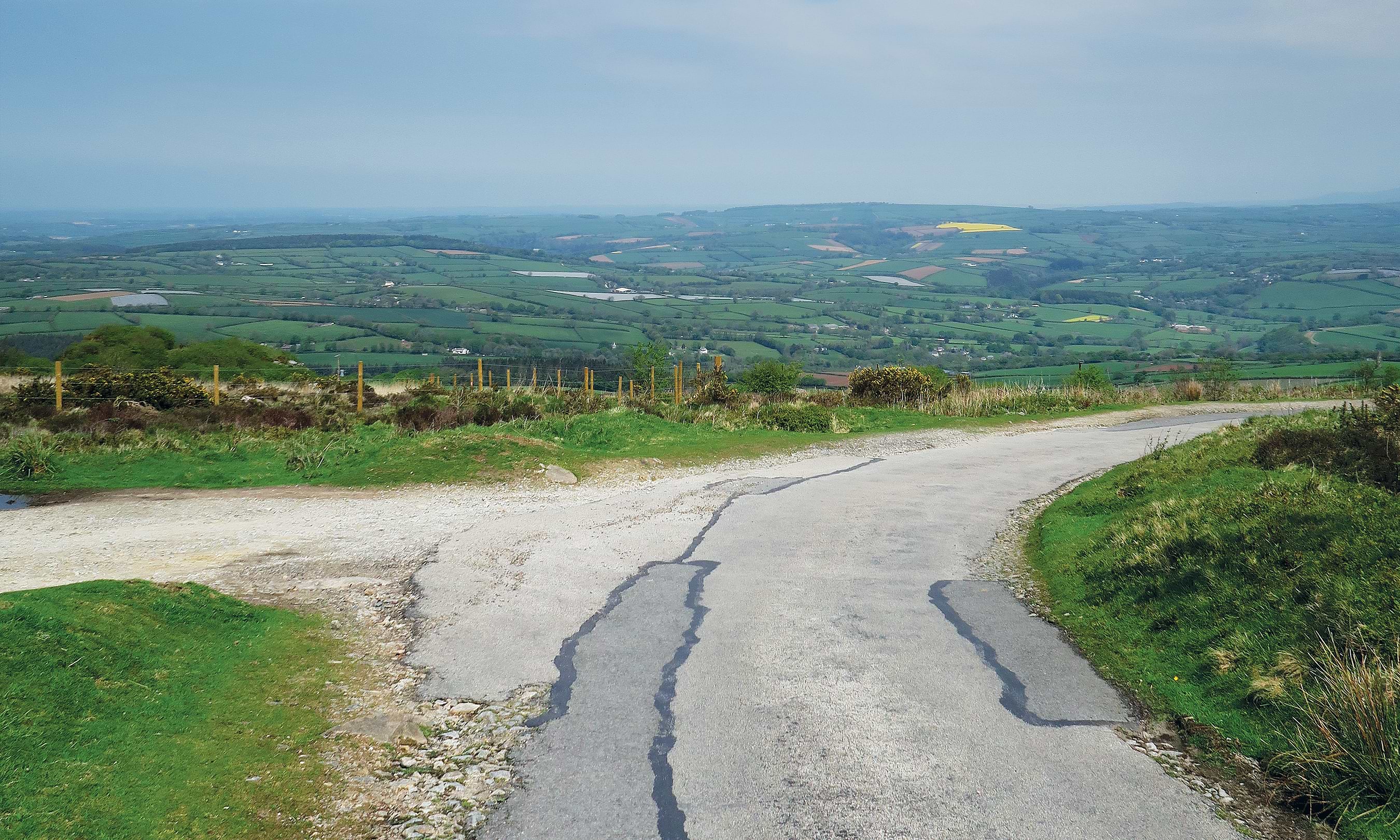
Length: 3,475m. Height gain: 294m. Average Gradient: 8.5%. Maximum Gradient: 20%. Approaching this climb you can see the ornate mine chimney that marks its summit for miles from every direction. The challenge is how to find the best route to reach it, and by best of course I mean hardest. This requires locating the village of Luckett that lies in the valley close to the River Tamar. Starting your ascent here will reward you with close to 3.5 kilometres of climbing with an average of 8.5%, OUCH! Between the village and the B3257 on the ridge ahead you’re spoiled by an abundance of 20% gradient, on and on it climbs with little or no let up until you reach the junction. With legs of jelly it’s now time to head to the top and once over the main road, continue straight on for a few hundred metres, always climbing, then turn right. The road narrows now to little more than a car’s width and, punctuated by primitive speed bumps, climbs towards the summit. No matter how hard you find it the views that appear as you climb are enough to distract you from any amount of discomfort, they are simply magical. The higher you rise above the rolling Cornish hills the more spectacular the vista until you are presented with a full 360 panorama to match anything you can reach on a road bike in England. Kit Hill features in Cycling Climbs of South-west England. https://www.strava.com/segments/8754252
5. The Cowlyd, Wales
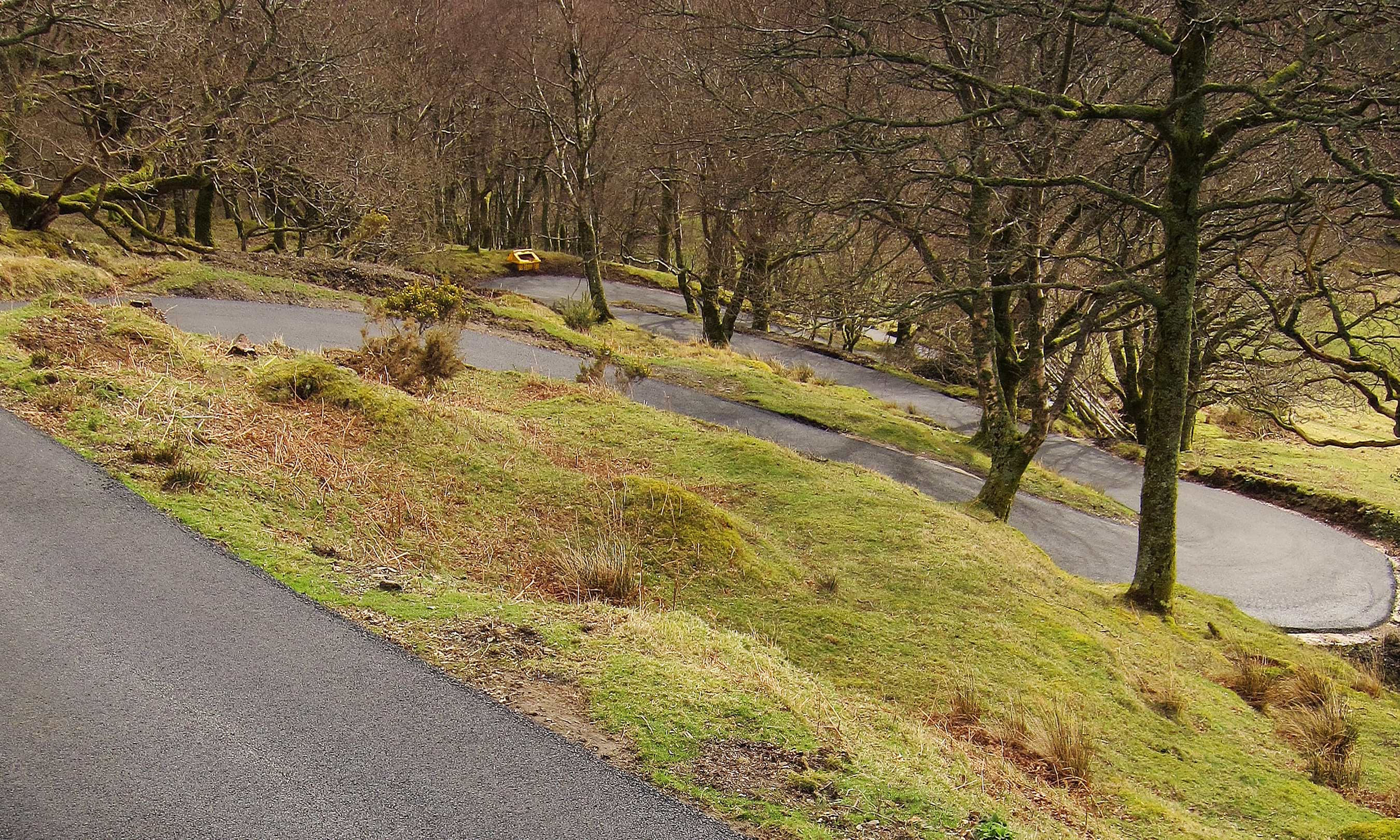
Length: 3,150m. Height gain: 410m. Average Gradient: 13%. Maximum Gradient: 25%. If I’d had the energy left to cry when I reached the top of this road then I would, it just broke me, it’s insanity. The Cowlyd is easily the toughest stretch of Tarmac I’ve ever ridden this side of The Angliru, (the famous mountain in Spain). Forget the steep gradient sign at the base, The Cowlyd, should come with a government health warning. Creeping inconspicuously out the back of the village of Trefriw the slope soon ramps up to 20% and just stays there. Relentlessly steep for close to 3km the purgatory continues. Usually a 100 metre long stretch this steep on a climb is enough to make it a killer, and to have this much brutal gradient is simply madness. In its favour it does pass through wonderful rugged scenery and is packed with twists and turns, at one point packing six hairpins into the space of about 500 metres. If you can get to the top you’re doing well, if you can do so without stopping you’re doing very well. Leaving the last of the tough stuff behind the higher slopes are comparably mild and once you reach the top your reward is the sanctuary, and tranquil emptiness of Snowdonia. The Cowlyd features in Cycling Climbs of Wales. https://www.strava.com/segments/8567419
The 100 Climb books and app
Simon's original 100 Greatest Cycling Climbs book was published back in 2010 and there are now 12 further climbing guide books and a box set ( containing 545 UK climbs) available in printed format. The original 100 Greatest Climbs are now also available as an App (iOS and Android) which will also give you directions to the foot of each climb.
Ribble Across Africa: 3,200km. Four Countries. One Bike.
From Namibia’s deep sand and relentless corrugations to 210km days across Botswana and the steep, muddy climbs of Eswatini, Phil Freeman put his ALLGRIT TI-X titanium gravel bike through 3,200km of some of Africa’s toughest terrain. One bike, 23 days and not a single puncture.
Gravel Bikes - Which frame material is right for you?
More cyclists than ever are seizing the opportunity to take their rides off-piste in search of freedom and adventure. But to do so, you need the right tool for the job - a gravel bike. The Ribble gravel range consists of four frame materials. Each of these offers something a little different in terms of ride quality, longevity and performance characteristics. So how do you decide which frame material is right for you?
Titanium Bike Buying Guide: How to Choose
Compare Ribble's titanium road, gravel and CGR bikes. Learn the differences between each model and find the right titanium bike for your riding style.
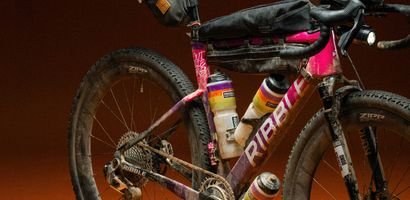
Built For Badlands: Metheven Bond’s Ribble ULTRA-GRIT
Metheven Bond’s Badlands bike: the Ribble ULTRA-GRIT that carried him to sixth place across 817km of demanding terrain. Explore his setup, from tyres and gearing to comfort and carrying essentials, and discover how the details behind his ride can help shape your own gravel adventures, wherever they take you.
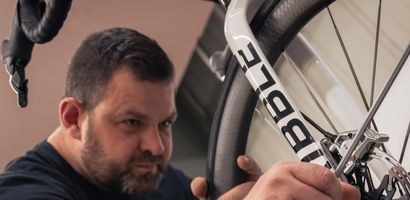
The Mechanics Choice - Ste Kane
When you spend every day building bikes, you start looking at them differently. So, when someone who knows the Ribble range inside out chooses a bike for himself, it’s worth asking why.

Autumn Cycling Tips
5 Autumn Cycling Tips Every Rider Should Know. Nights are creeping in. Roads are slicker. The kit that saw you through summer might not cut it now. But autumn doesn’t have to mean fewer miles. With a few smart changes, you can keep the pedals turning right through to winter.
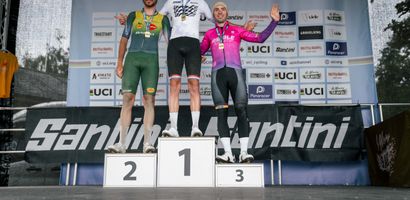
A Solo Win in Wales and a Season Closed Out in the Ardennes
The Ribble Outliers delivered another standout weekend of gravel racing across Wales and Belgium. Jenson Young claimed an unforgettable solo victory at UCI Gravel Cymru, with Abi Smith taking second and Ben Thomas completing the podium in third. Meanwhile, Sophie Wright closed out her Gravel Earth Series campaign in the Ardennes, securing seventh overall after a season of victories, podiums and a national title. Every result was earned aboard the Ribble ULTRA-GRIT.
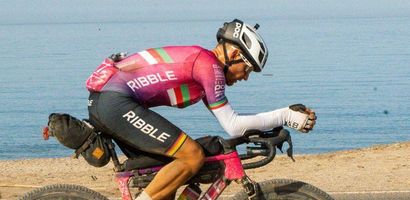
43 hours in Andalusia - Metheven Bond Rides to 6th at Badlands
817km, 14,420m of climbing, two nights without sleep and barely an hour off the bike. Metheven Bond's Badlands is one of the rides of our season.
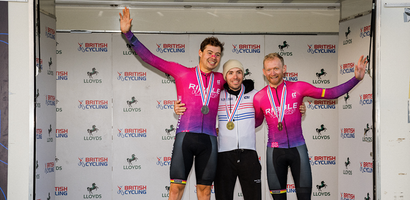
We Came, We Saw, We Conquered.
All four elite national jerseys, a medal for every rider, and a comeback story six weeks in the making. This is how the first ever official British Gravel Championships went for the Ribble Outliers.
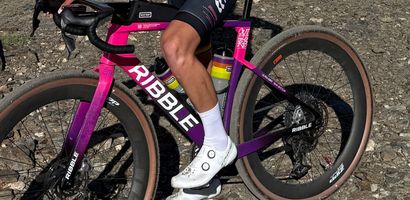
Back From Altitude
Jenson Young has spent the biggest training block of his season on his own in the Sierra Nevada. He flies home on Monday with Nationals and the Europeans to come.

Leila Gschwentner solos to victory
Smurfit Westrock Cycling Team rider Leila Gschwentner delivered a brilliant solo victory at the 2026 Arlberg Giro Criterium in Austria.
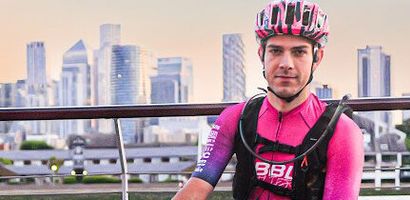
Jenson Young Takes on the London Orbital Gravel Route
His goal? Chase down the 2 GCN presenters Si Richardson and Alex Paton who started the same route with a 90-minute head start.