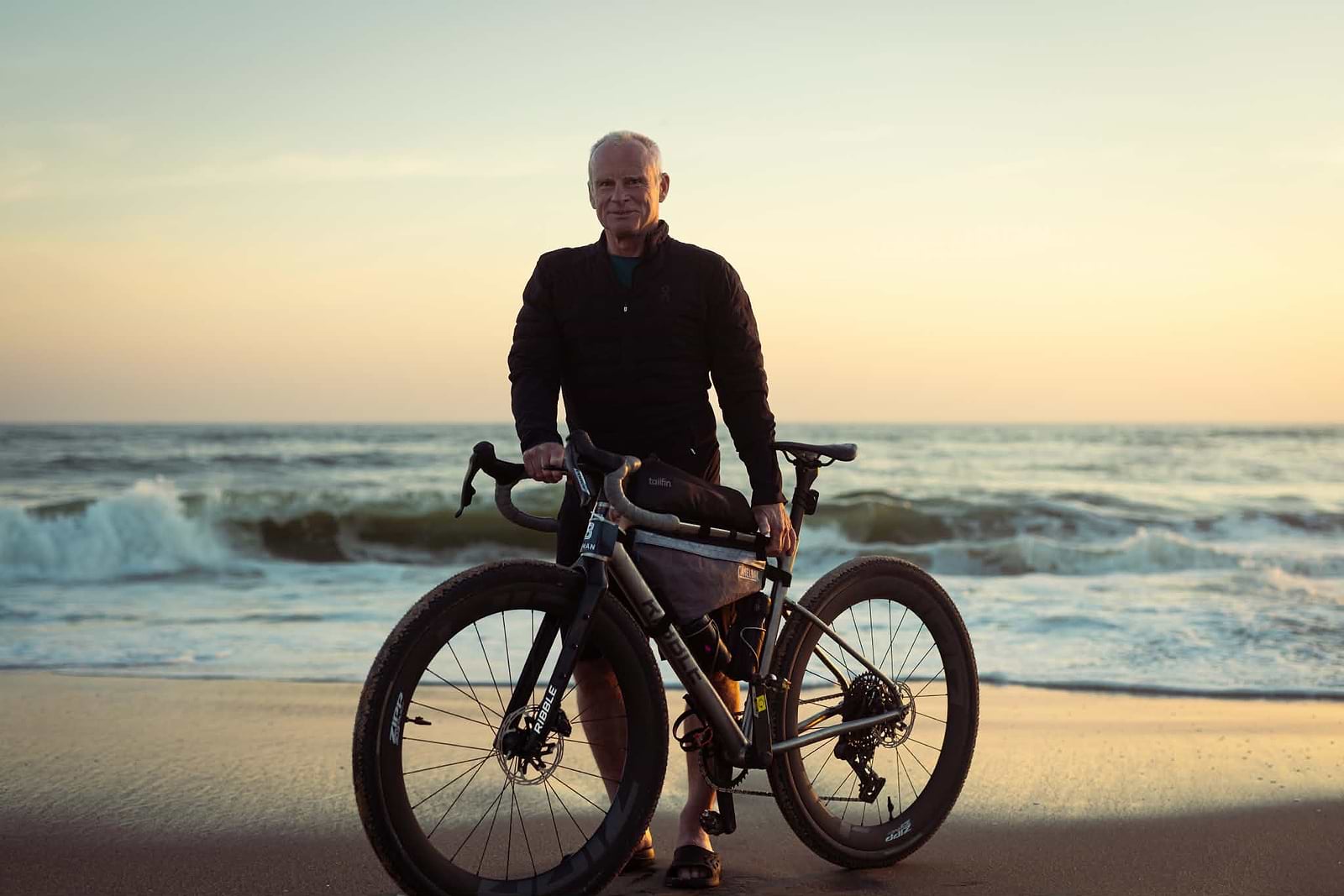
When Phil Freeman set out from Henties Bay on Namibia’s Atlantic coast, ahead lay 3,200km of riding across Namibia, Botswana, South Africa and Eswatini before reaching the Indian Ocean at Sodwana Bay.
It was a journey that would take him and his ALLGRIT TI-X titanium gravel bike from deep sand and relentless desert corrugations to long stretches of tarmac, steep rocky climbs and wet, muddy trails. With days stretching beyond 200km, both rider and bike would be tested across constantly changing terrain.
Twenty-three days later, Phil rolled into Sodwana Bay having completed the entire journey on the same 50mm tubeless tyres, without a single puncture.
We caught up with Phil to find out what it takes to ride across Africa, why he chose titanium for the challenge, and how his Ribble performed over 3,200km.
What made you take on a challenge like this?
My family are all Ironman athletes, so I suppose I wanted a challenge of my own before I got too old! I came across the event while I was in a four-day saturation decompression and it immediately appealed to me, particularly because there was a charity element to it.
The challenge was to cycle from Henties Bay in Namibia to Sodwana Bay in South Africa, passing through Botswana and Eswatini along the way – around 3,200km in total.
What sort of terrain did you encounter?
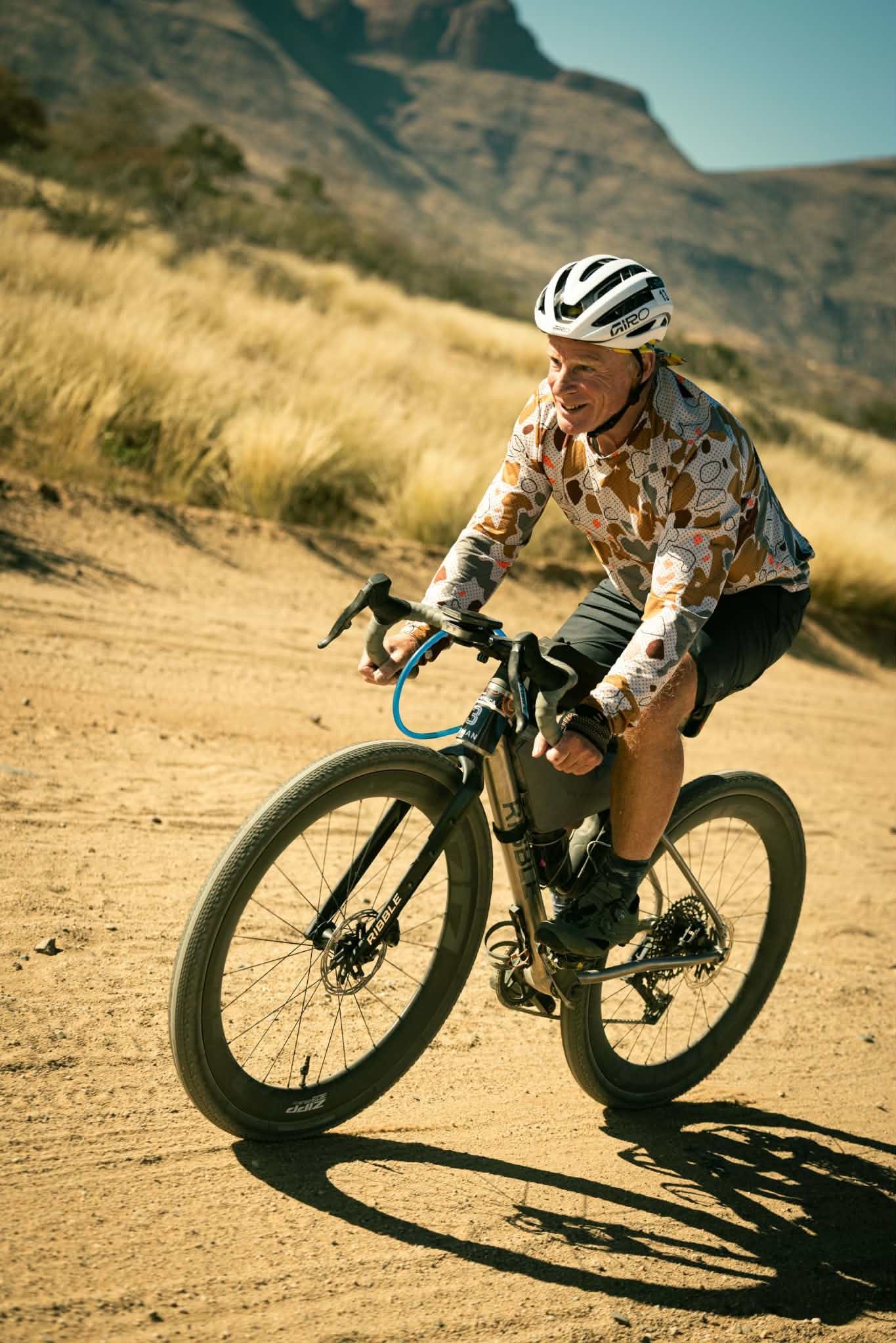
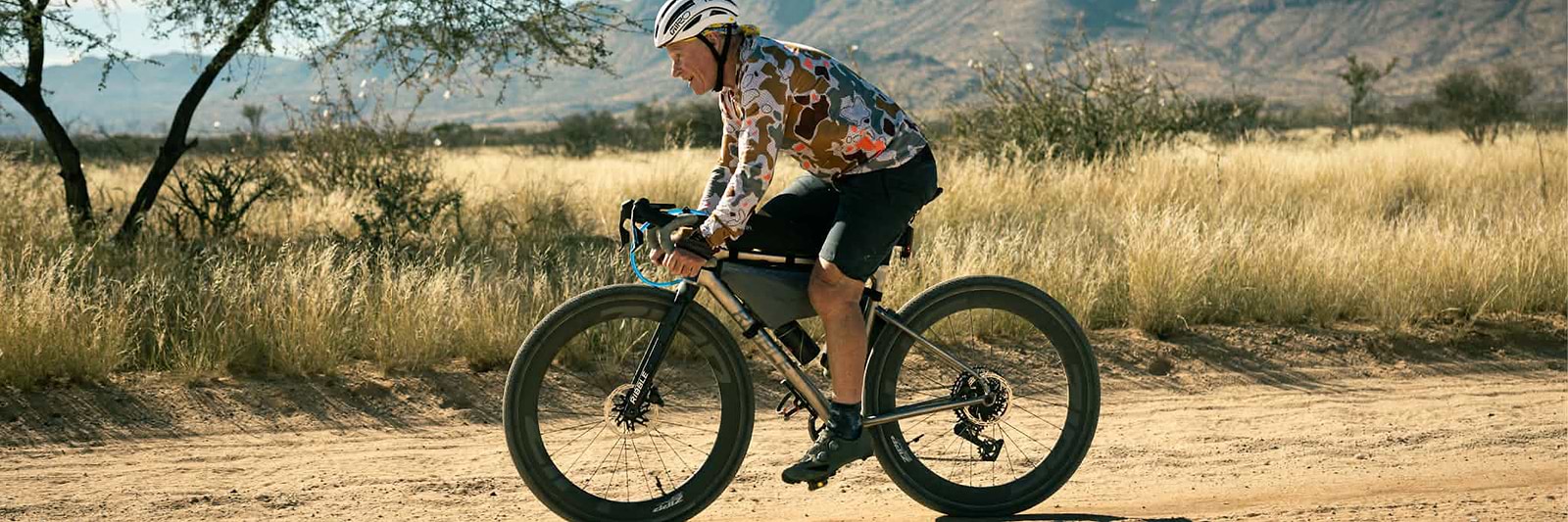
Namibia was probably the most memorable. We had extremely corrugated roads, deep sand and these stunning, open desert landscapes with colourful rock outcrops.
It was probably the hardest terrain of the entire trip and I felt this was where the titanium frame really gave me an advantage. It took some of the edge off those relentless corrugations, particularly combined with the 50mm tyres I'd chosen.
How did the bike adapt as the terrain changed?
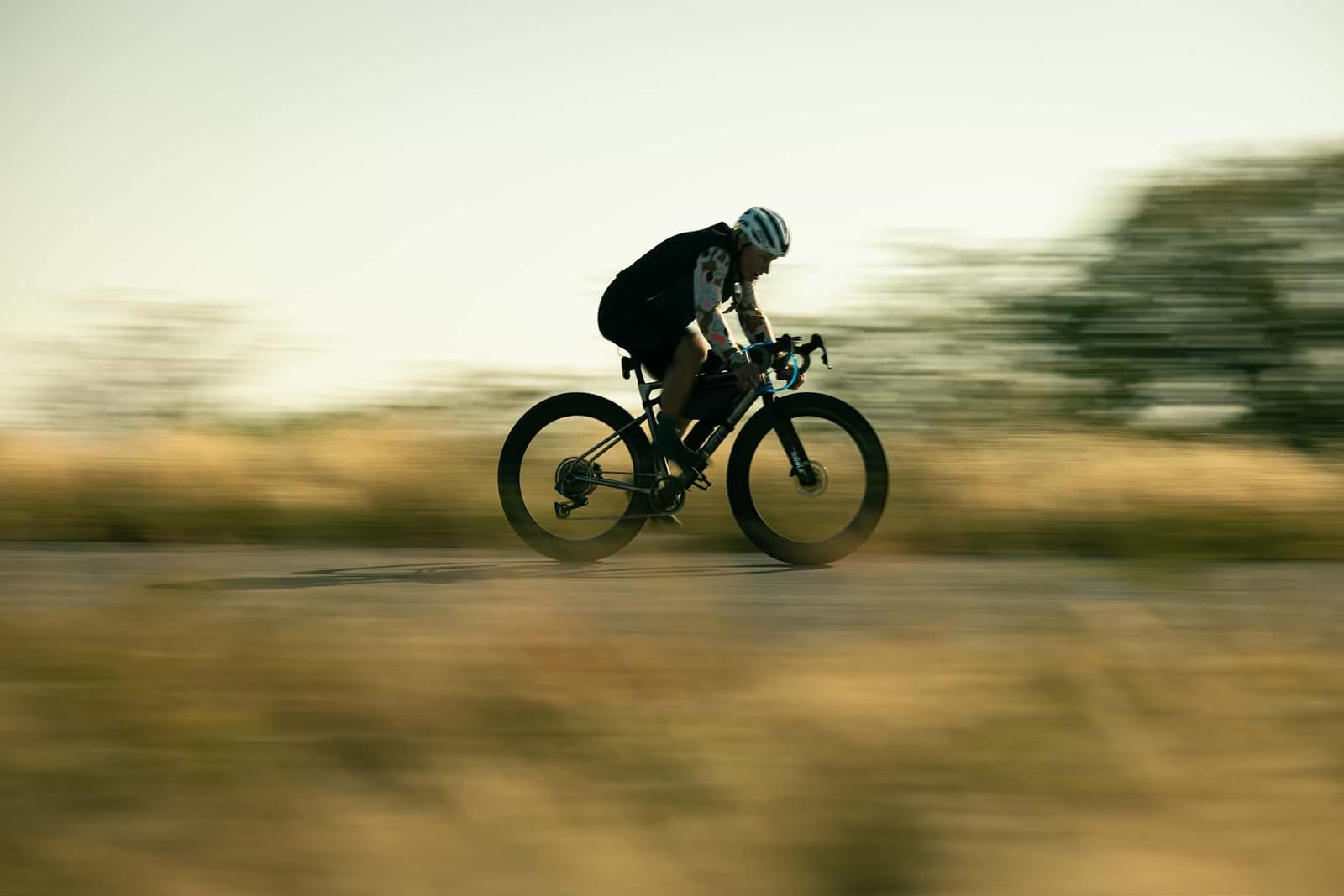
After Namibia, the next section took us through Botswana and onto tarmac. I simply pumped the tyres up to around 45–50psi and set off.
We were covering up to 210km a day on these huge, long, straight roads – thankfully without too much of a headwind!
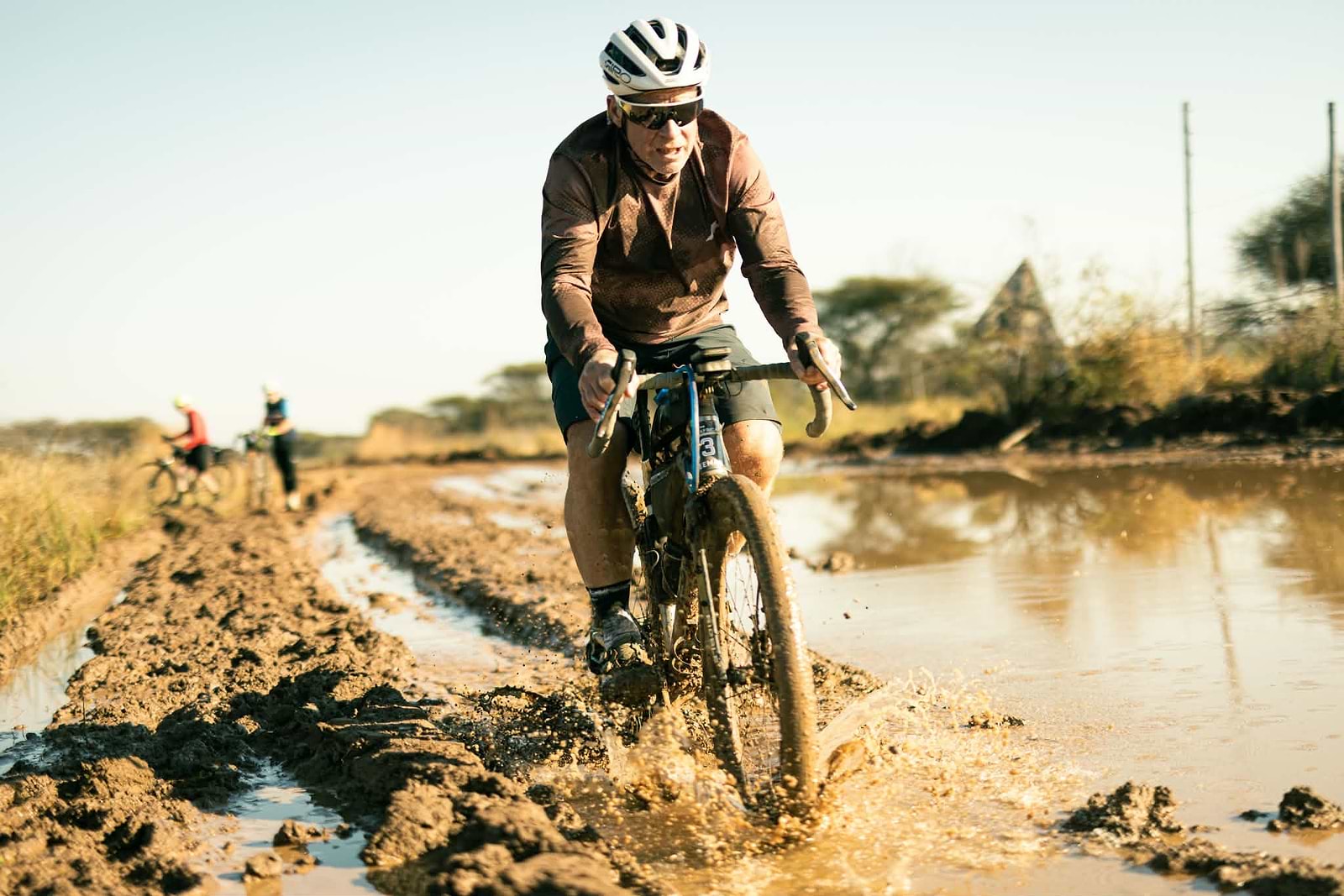
Then we crossed South Africa and into Eswatini and the terrain changed completely again. There were steep, stony climbs and some wet, muddy sections to tackle. It became a case of dropping the tyre pressures again and enjoying the views when you finally reached the top.
I'm a slightly heavier rider, so those were probably some of the hardest days for me.
Looking back, how important was your choice of bike and setup?
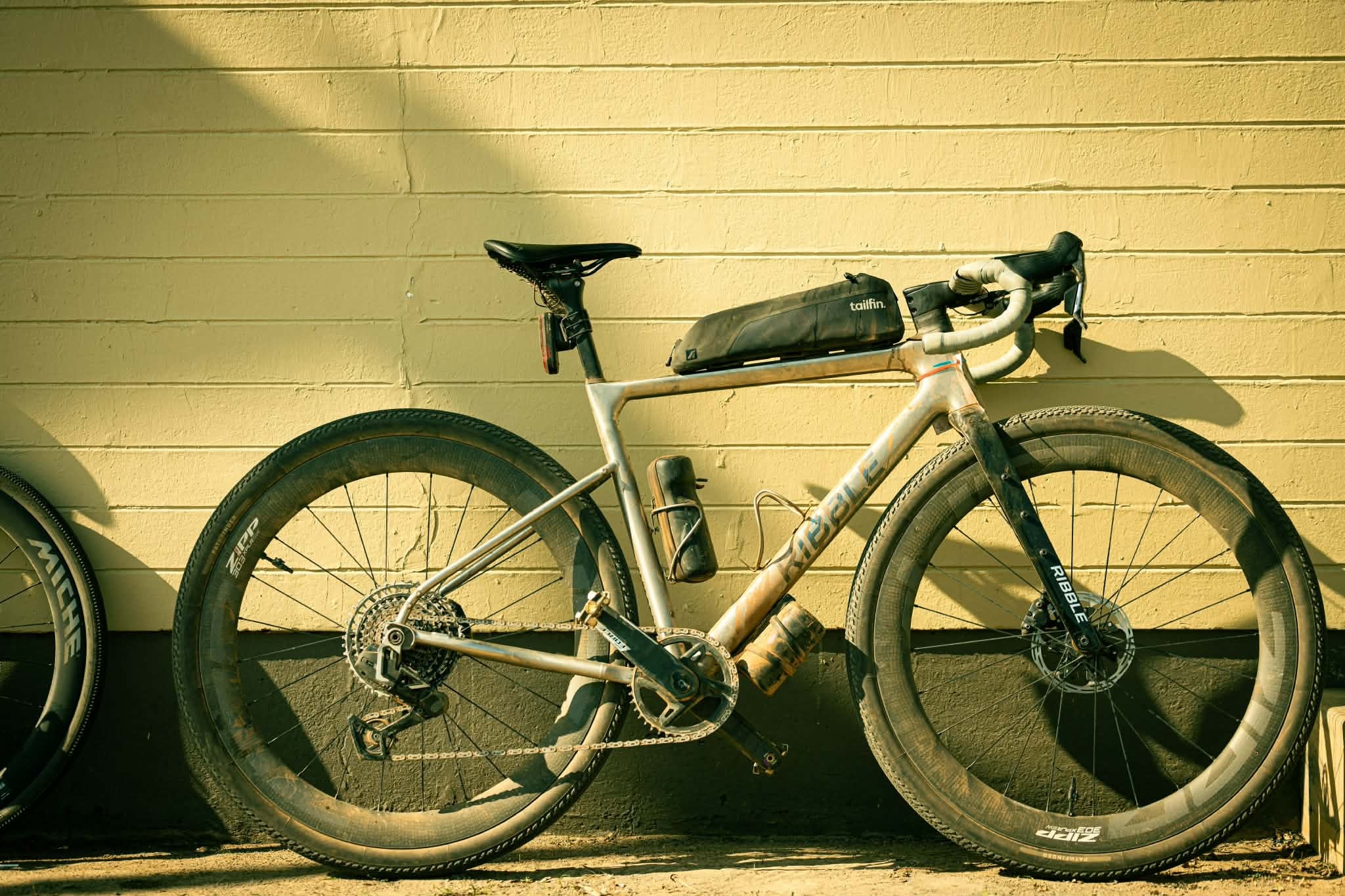
The titanium frame was perfect for the trip.
Combined with the 5mm bar tape I'd fitted, I was one of very few riders who didn't suffer from blisters. The 50mm tyres contributed to the comfort too and meant I could ride the entire route on the same tyres, whatever the terrain. I just altered the pressures to suit the conditions.
I ran them tubeless and didn't have a single puncture across the whole trip.
What maintenance did the bike need over 3,200km?
Very little. I'd hose the bike down each evening and I was running a waxed chain, so every other day I'd add more wax, or whenever it was required.
That was essentially it.
Was there a moment from the trip that will particularly stay with you?
One moment really summed up what trips like this are about.
A cyclist in our group crashed, which put us behind schedule. After treating her and getting her to the medical team – who couldn't initially reach us because of the muddy roads – three of us pushed on.
Darkness eventually closed in and one of the group suddenly announced that she only had prescription sunglasses with her and no clear glasses. She couldn't see properly in the dark.
We came up with a plan and, for the final 25km, she followed my back tyre.
She was literally putting 100% trust in someone she'd only known for two weeks.
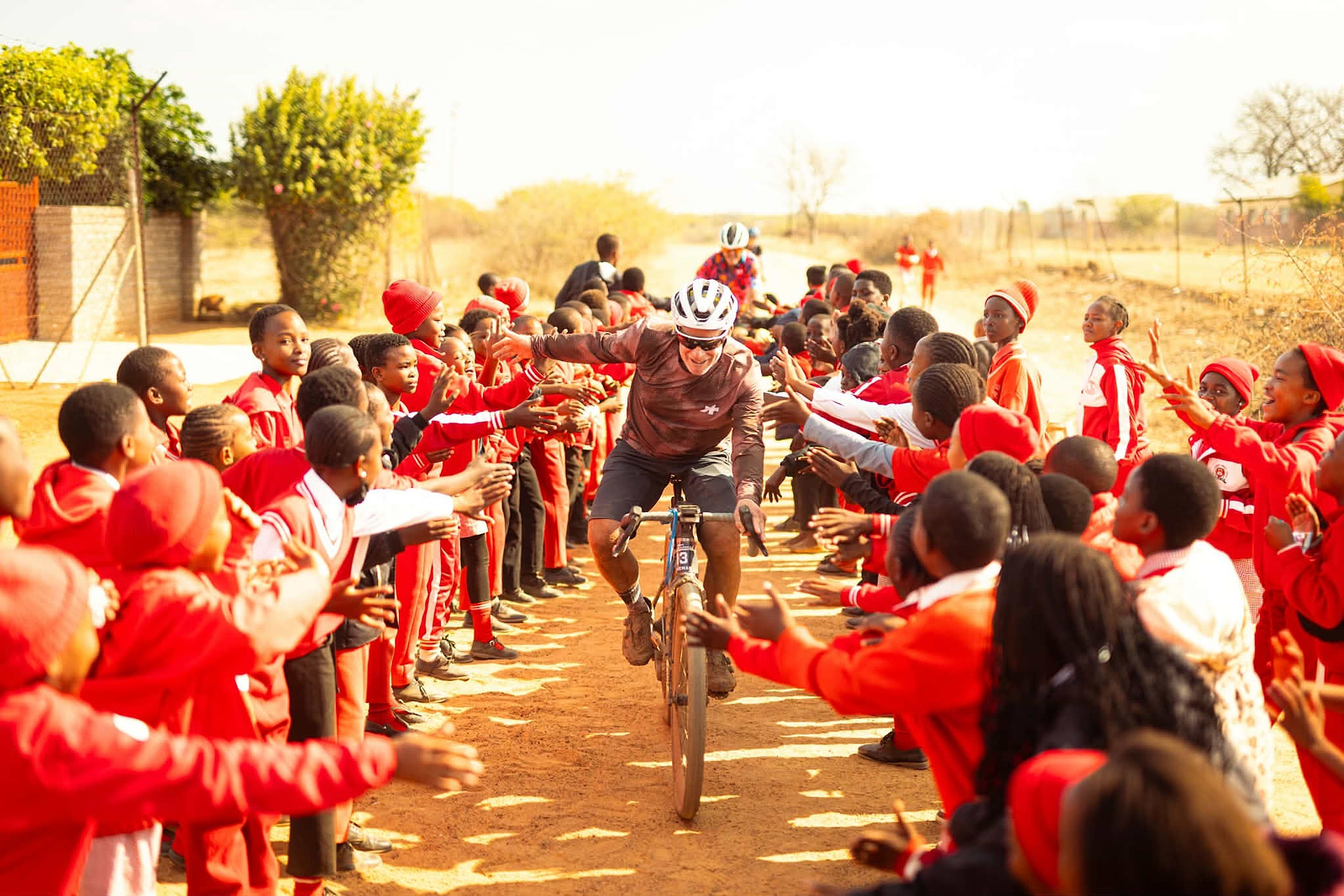
For me, that's what trips like this are about. It's not only the riding. It's the people you meet, the trust you build and getting to see the real, everyday life of the places you're travelling through.
Is there anything you'd change about the bike if you were doing it again?
Very little.
I'd probably fit a smaller chainring for those steep Eswatini climbs – perhaps a 38T.
Other than that, nothing.
Although maybe I'd take a brighter front light!
What was it like finally reaching Sodwana Bay?
From Eswatini, we crossed back into South Africa with one final escarpment to climb on tarmac before descending towards Sodwana Bay and finishing with a swim in the warm Indian Ocean.
Reaching the end was exciting, but strangely sad at the same time.
Both the bike and I were still in good condition. I'd actually got fitter along the way and had only lost around 3kg. Then suddenly it was time to leave those dream days behind and return to reality.
Until the next one.
Ribble Across Africa: 3,200km. Four Countries. One Bike.
From Namibia’s deep sand and relentless corrugations to 210km days across Botswana and the steep, muddy climbs of Eswatini, Phil Freeman put his ALLGRIT TI-X titanium gravel bike through 3,200km of some of Africa’s toughest terrain. One bike, 23 days and not a single puncture.
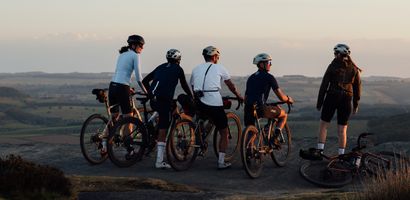
How To Choose Your Gravel Bike
The sheer versatility and ride-anywhere capabilities of Ribble's Gravel bikes make them the perfect vehicle for off-grid adventures. Here, we explore the range and explain the key differences to help you choose yours.
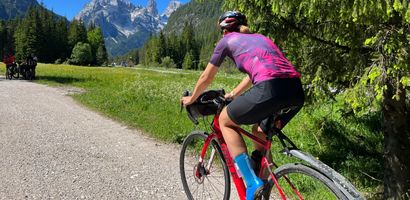
Helen Wyman's Munich to Venice Bike Odyssey
It was whilst I was out enjoying the local gravel trails after the birth of my son that I stumbled across a sign. On it was a map that referenced the Munich to Venice long-distance bike route. Without further thought, I snapped a quick photo and tried to contain a shiver of excitement at discovering our next cycling adventure.